What Are the Hottest Trends in Waterproof Enclosures for 2025?
Engineers often focus on PCB layout first. But enclosure risk can delay testing, shipping, and launch. I use a simple review flow to reduce that risk.
For waterproof aluminum enclosures, buyers should check structure, machining, surface finish, protection level, and supplier communication before ordering. This is especially important for outdoor IoT devices, compact sensors, and faster field deployment.
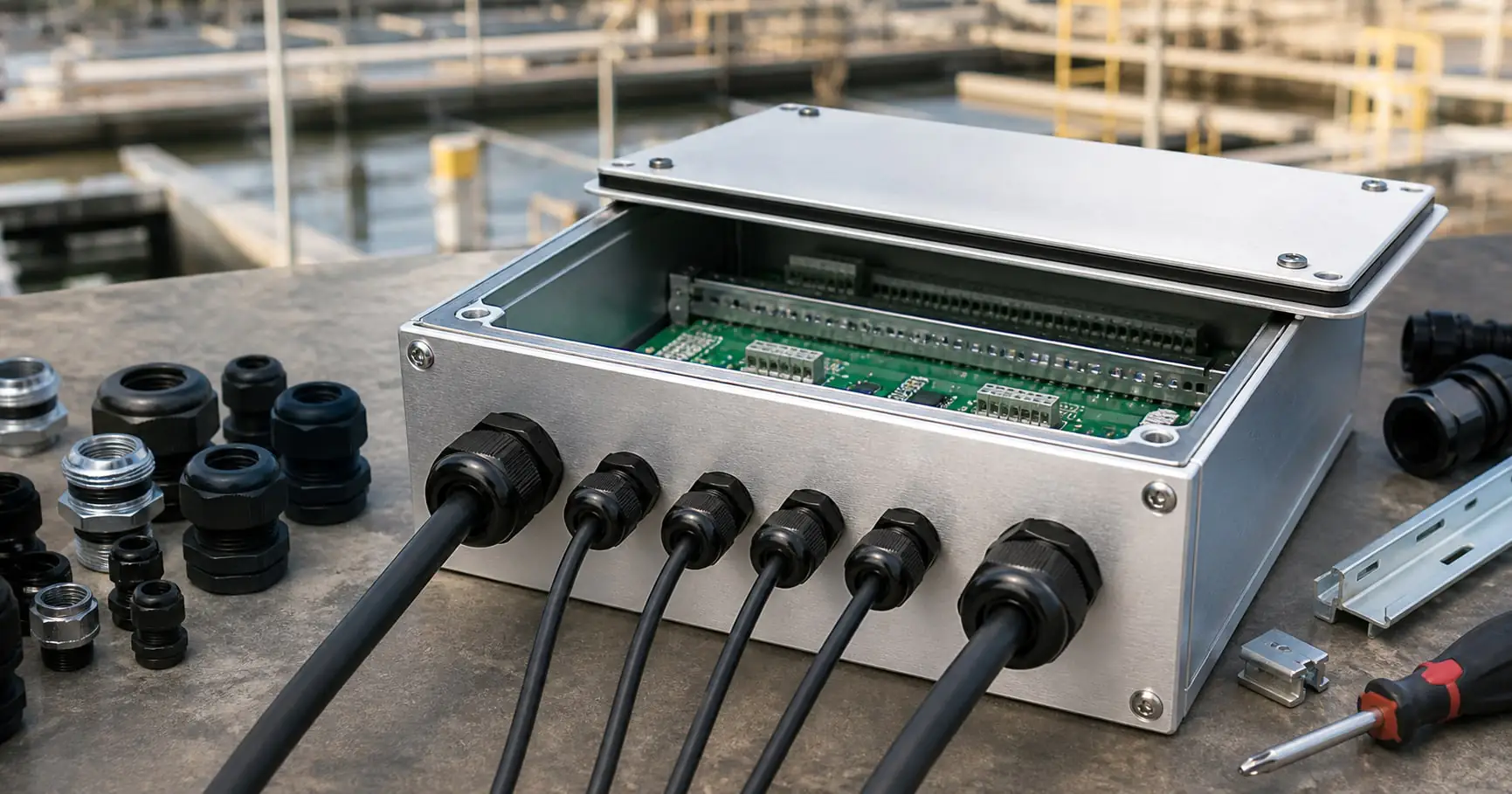
Table of contents
- What problem should engineers solve first?
- Which enclosure details affect production risk?
- How should buyers prepare the RFQ package?
- Engineering Review Checklist
- Technical Notes and References
What problem should engineers solve first?
A weak enclosure decision creates late changes. Late changes affect PCB position, connector fit, gasket pressure, and delivery. I start with the real use environment.
Engineers should define installation position, heat source, cable direction, sealing target, and service method before choosing or customizing an aluminum enclosure.
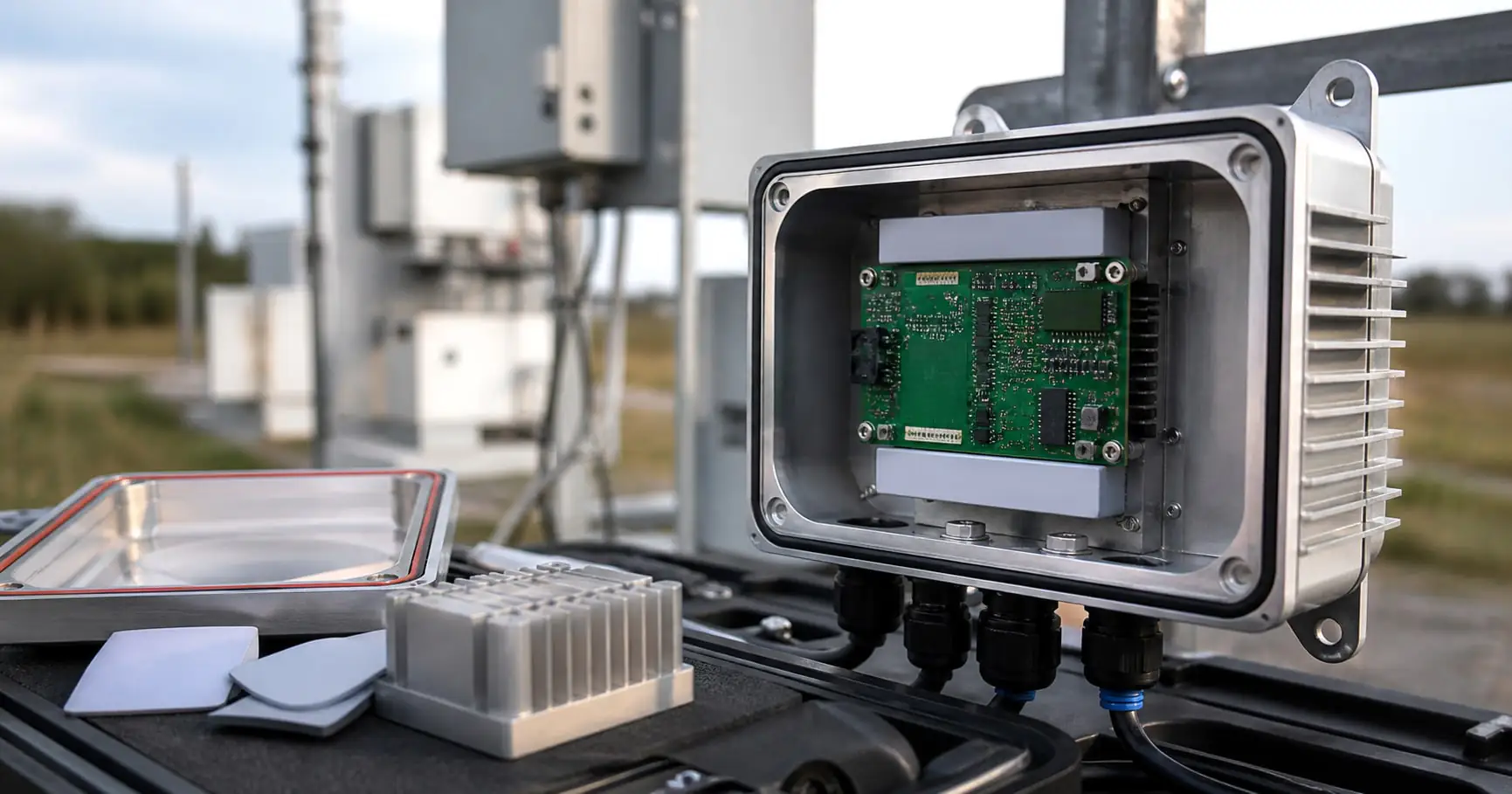
In my daily work at PUMAYCASE, I see one common pattern. A team sends a PCB drawing and asks for a fast enclosure quote. The PCB usually looks clear. But the real use condition is still missing. I need to know whether the device will sit inside a cabinet, hang on a wall, work outdoors, or travel in a vehicle. These details change the enclosure structure.
For outdoor smart sensor gateways, the first risk is not always the aluminum profile. The first risk is the mismatch between the product idea and the field condition. A simple indoor case may not need a high IP rating. But an outdoor or mobile device may need gasket sealing, waterproof connectors, stable screw compression, and a stronger surface finish. A compact device may also need heat transfer through the enclosure wall.
First design filter
| Question | Why it matters | What I ask Jeff to prepare |
|---|---|---|
| Where will the device work? | It affects IP rating and surface finish. | Indoor, outdoor, cabinet, vehicle, or portable use. |
| How much heat is inside? | It affects wall thickness and contact area. | Main heat source, power level, and expected temperature. |
| Which cables enter the case? | It affects CNC holes and sealing. | Connector models, cable direction, and gland size. |
| How fast is the prototype needed? | It affects the best manufacturing route. | Target sample date and expected batch size. |
PUMAYCASE can start from custom aluminum enclosure solutions and then adjust the profile, end plates, holes, color, marking, and assembly method. This saves time when the project needs speed but still needs technical control.
Which enclosure details affect production risk?
Small enclosure details can create large production problems. If machining, sealing, and finish are reviewed late, the supplier may quote fast but deliver slowly.
The highest-risk details are connector cutouts, gasket compression, screw bosses, tolerance stack-up, anodizing requirements, grounding points, and packing protection.
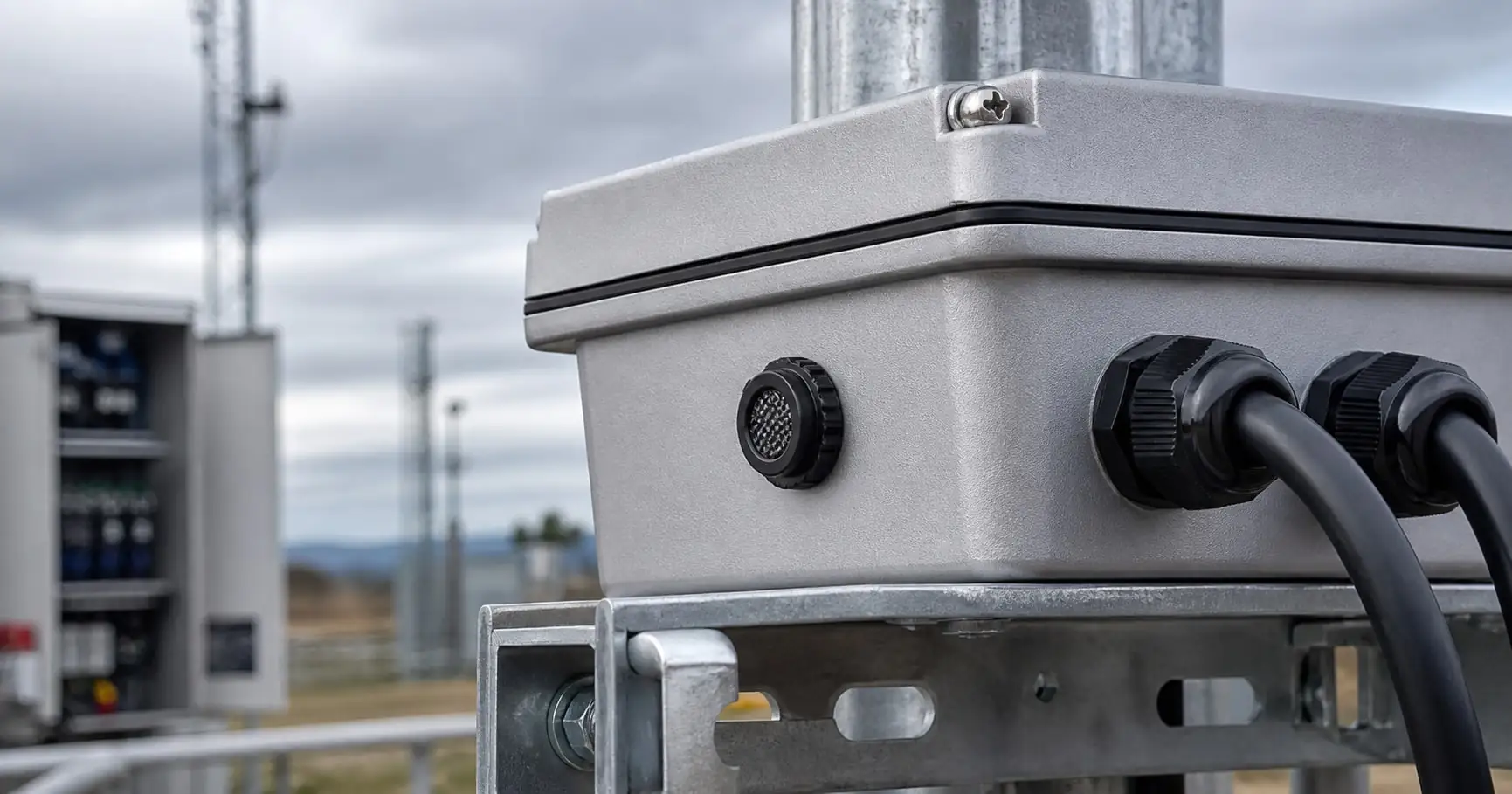
A good enclosure drawing should help the factory make the part and help the engineer check the part. I prefer clear 2D drawings for holes and tolerances, plus 3D files for assembly review. If the drawing only shows appearance, the supplier may miss the real control points.
For waterproof aluminum enclosures, I pay special attention to IP protection, gasket compression, connector sealing, and passive heat dissipation. These points look small on a drawing. But they affect assembly yield and customer confidence. For example, a connector hole may pass size inspection but still fail assembly because the nut clearance is too small. A gasket groove may look correct but fail after anodizing because the surface or groove tolerance changed. A label may look fine in PDF but become too small after laser marking on a black anodized panel.
Production risk map
| Detail | Common failure | Better practice |
|---|---|---|
| CNC cutouts | Connector cannot fit or rotate. | Check connector datasheet and nut clearance. |
| End plate sealing | Water enters from uneven pressure. | Review gasket groove, screw spacing, and torque path. |
| Anodizing | Color mismatch or poor scratch resistance. | Define finish, color, gloss, and cosmetic surface. |
| Grounding | EMC performance is unstable. | Keep a conductive contact area where needed. |
| Packing | Surface damage during shipment. | Use film, foam, carton, and pallet rules. |
For waterproof work, engineers can use the IEC overview of IP code principles as a reference. For aluminum material discussion, I often compare alloy and temper choices with standard material data such as MatWeb aluminum property references.
How should buyers prepare the RFQ package?
An unclear RFQ creates back-and-forth messages. This wastes engineering time and may push the sample date. A complete RFQ makes customization faster.
A strong enclosure RFQ should include 2D drawings, 3D files, PCB size, connector data, finish requirement, IP target, quantity, and required lead time.
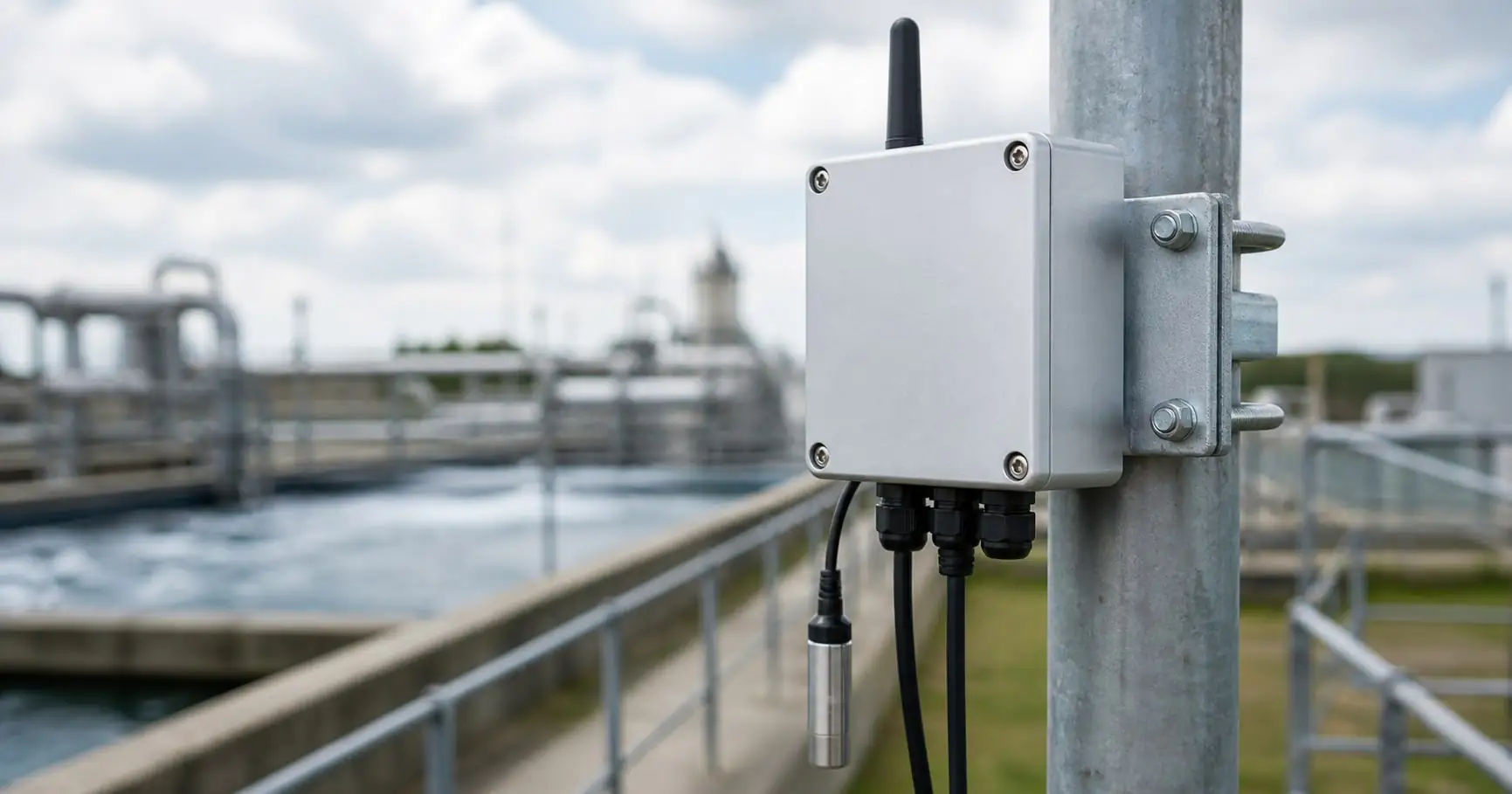
When Jeff sends me a project, I do not only check the outside size. I check whether the enclosure can be made, assembled, finished, packed, and repeated. This is why clear RFQ data matters. If the first message includes all key files, we can usually give engineering feedback within 24 hours. If the files are incomplete, the quotation may look fast but the real project will slow down later.
For prototype and small-batch work, I suggest starting with standard extrusion when possible. Then we machine the end plates, side walls, or internal details by CNC. This keeps cost under control and still allows connector holes, countersinks, threaded holes, display windows, logos, and surface finish. If the project needs special waterproof or EMC performance, we should review those needs before the first sample.
RFQ file checklist
| File or data | Minimum requirement | Why I need it |
|---|---|---|
| 3D file | STEP format preferred. | I check fit, interference, and machining access. |
| 2D drawing | Hole size, tolerance, and surface notes. | The factory uses it for inspection. |
| PCB layout | Board size and key component height. | It controls internal clearance and mounting. |
| Connector datasheet | Thread, nut, washer, and cable direction. | It prevents panel assembly problems. |
| Finish note | Anodizing color, brushing, printing, marking. | It prevents appearance and durability disputes. |
| Quantity and date | Prototype and batch forecast. | It helps me choose the right process route. |
If the project needs machining support, our CNC aluminum enclosure machining service can combine drilling, milling, tapping, countersinking, anodizing, silk screen printing, laser marking, and assembly review in one supplier workflow.
Engineering Review Checklist
Many indexing problems come from thin content and weak usefulness. A practical checklist helps engineers act faster. I add this section for real buyer decisions.
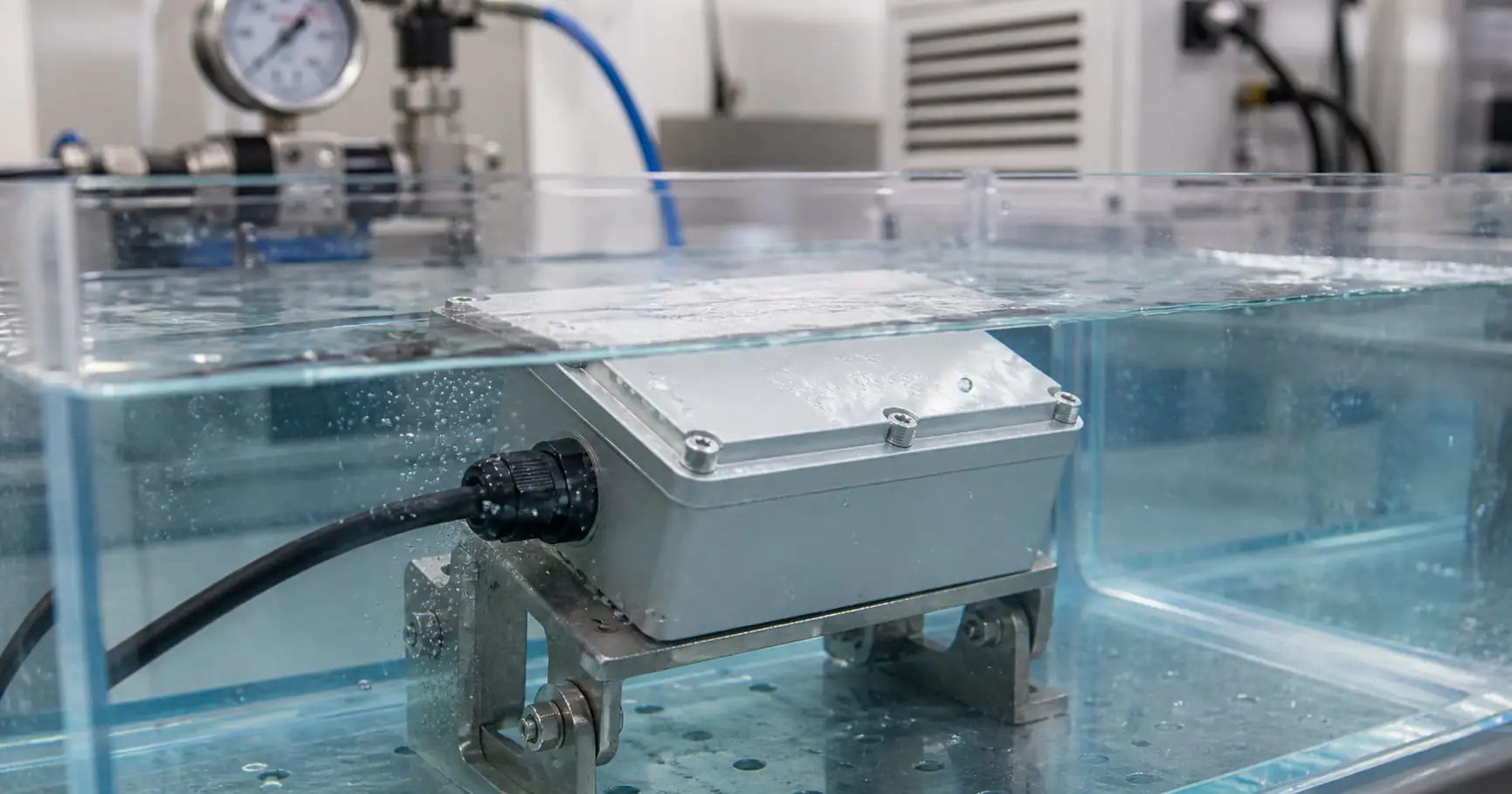
Use this checklist before sending the enclosure drawing to any supplier. It helps reduce tolerance mismatch, unclear quotation, and late prototype rework.
| Review item | Confirmed? | Notes for supplier |
|---|---|---|
| Installation environment is clear | Indoor, outdoor, cabinet, mobile, or handheld. | |
| IP target is defined | IP54, IP65, IP67, or IP68 if needed. | |
| Heat source is identified | Power component, PCB hotspot, or RF module. | |
| CNC features are dimensioned | Holes, slots, countersinks, threads, windows. | |
| Surface finish is specified | Natural, black, color anodizing, brushed, printed. | |
| Assembly sequence is checked | PCB mounting, connector nuts, gasket, screws. | |
| Packaging needs are clear | Film, foam, carton, pallet, export label. |
Technical Notes and References
Technical claims need support. But buyers also need supplier experience. I combine public references with practical enclosure manufacturing notes here.
These notes support decisions on IP protection, CNC manufacturing, aluminum material, EMC, and shipping preparation for industrial electronics enclosures.
- IEC explains the basic meaning of ingress protection codes in its IP ratings reference.
- NIST provides useful background on smart manufacturing systems, which helps explain why compact industrial electronics need reliable enclosures.
- The U.S. Bureau of Industry and Security publishes official export control guidance, which buyers can review when products include controlled electronics or instrumentation features.
- For practical enclosure procurement, I suggest linking drawings, connector datasheets, finish requirements, and target lead time in one RFQ email.
PUMAYCASE supports waterproof aluminum enclosures, extruded aluminum enclosures, CNC machining, anodizing, laser marking, silk screen printing, and small-batch assembly support. I can review drawings and give practical feedback before the enclosure design becomes expensive to change.
Conclusion
A stronger waterproof aluminum enclosures article should help engineers make decisions, not only read keywords. This upgrade gives buyers clearer checks before RFQ and production.
What Are the Hottest Trends in Waterproof Enclosures for 2025?
Engineers often focus on PCB layout first. But enclosure risk can delay testing, shipping, and launch. I use a simple review flow to reduce that risk.
For waterproof aluminum enclosures, buyers should check structure, machining, surface finish, protection level, and supplier communication before ordering. This is especially important for outdoor IoT devices, compact sensors, and faster field deployment.
Table of contents
- What problem should engineers solve first?
- Which enclosure details affect production risk?
- How should buyers prepare the RFQ package?
- Engineering Review Checklist
- Technical Notes and References
What problem should engineers solve first?
A weak enclosure decision creates late changes. Late changes affect PCB position, connector fit, gasket pressure, and delivery. I start with the real use environment.
Engineers should define installation position, heat source, cable direction, sealing target, and service method before choosing or customizing an aluminum enclosure.
In my daily work at PUMAYCASE, I see one common pattern. A team sends a PCB drawing and asks for a fast enclosure quote. The PCB usually looks clear. But the real use condition is still missing. I need to know whether the device will sit inside a cabinet, hang on a wall, work outdoors, or travel in a vehicle. These details change the enclosure structure.
For outdoor smart sensor gateways, the first risk is not always the aluminum profile. The first risk is the mismatch between the product idea and the field condition. A simple indoor case may not need a high IP rating. But an outdoor or mobile device may need gasket sealing, waterproof connectors, stable screw compression, and a stronger surface finish. A compact device may also need heat transfer through the enclosure wall.
First design filter
| Question | Why it matters | What I ask Jeff to prepare |
|---|---|---|
| Where will the device work? | It affects IP rating and surface finish. | Indoor, outdoor, cabinet, vehicle, or portable use. |
| How much heat is inside? | It affects wall thickness and contact area. | Main heat source, power level, and expected temperature. |
| Which cables enter the case? | It affects CNC holes and sealing. | Connector models, cable direction, and gland size. |
| How fast is the prototype needed? | It affects the best manufacturing route. | Target sample date and expected batch size. |
PUMAYCASE can start from custom aluminum enclosure solutions and then adjust the profile, end plates, holes, color, marking, and assembly method. This saves time when the project needs speed but still needs technical control.
Which enclosure details affect production risk?
Small enclosure details can create large production problems. If machining, sealing, and finish are reviewed late, the supplier may quote fast but deliver slowly.
The highest-risk details are connector cutouts, gasket compression, screw bosses, tolerance stack-up, anodizing requirements, grounding points, and packing protection.
A good enclosure drawing should help the factory make the part and help the engineer check the part. I prefer clear 2D drawings for holes and tolerances, plus 3D files for assembly review. If the drawing only shows appearance, the supplier may miss the real control points.
For waterproof aluminum enclosures, I pay special attention to IP protection, gasket compression, connector sealing, and passive heat dissipation. These points look small on a drawing. But they affect assembly yield and customer confidence. For example, a connector hole may pass size inspection but still fail assembly because the nut clearance is too small. A gasket groove may look correct but fail after anodizing because the surface or groove tolerance changed. A label may look fine in PDF but become too small after laser marking on a black anodized panel.
Production risk map
| Detail | Common failure | Better practice |
|---|---|---|
| CNC cutouts | Connector cannot fit or rotate. | Check connector datasheet and nut clearance. |
| End plate sealing | Water enters from uneven pressure. | Review gasket groove, screw spacing, and torque path. |
| Anodizing | Color mismatch or poor scratch resistance. | Define finish, color, gloss, and cosmetic surface. |
| Grounding | EMC performance is unstable. | Keep a conductive contact area where needed. |
| Packing | Surface damage during shipment. | Use film, foam, carton, and pallet rules. |
For waterproof work, engineers can use the IEC overview of IP code principles as a reference. For aluminum material discussion, I often compare alloy and temper choices with standard material data such as MatWeb aluminum property references.
How should buyers prepare the RFQ package?
An unclear RFQ creates back-and-forth messages. This wastes engineering time and may push the sample date. A complete RFQ makes customization faster.
A strong enclosure RFQ should include 2D drawings, 3D files, PCB size, connector data, finish requirement, IP target, quantity, and required lead time.
When Jeff sends me a project, I do not only check the outside size. I check whether the enclosure can be made, assembled, finished, packed, and repeated. This is why clear RFQ data matters. If the first message includes all key files, we can usually give engineering feedback within 24 hours. If the files are incomplete, the quotation may look fast but the real project will slow down later.
For prototype and small-batch work, I suggest starting with standard extrusion when possible. Then we machine the end plates, side walls, or internal details by CNC. This keeps cost under control and still allows connector holes, countersinks, threaded holes, display windows, logos, and surface finish. If the project needs special waterproof or EMC performance, we should review those needs before the first sample.
RFQ file checklist
| File or data | Minimum requirement | Why I need it |
|---|---|---|
| 3D file | STEP format preferred. | I check fit, interference, and machining access. |
| 2D drawing | Hole size, tolerance, and surface notes. | The factory uses it for inspection. |
| PCB layout | Board size and key component height. | It controls internal clearance and mounting. |
| Connector datasheet | Thread, nut, washer, and cable direction. | It prevents panel assembly problems. |
| Finish note | Anodizing color, brushing, printing, marking. | It prevents appearance and durability disputes. |
| Quantity and date | Prototype and batch forecast. | It helps me choose the right process route. |
If the project needs machining support, our CNC aluminum enclosure machining service can combine drilling, milling, tapping, countersinking, anodizing, silk screen printing, laser marking, and assembly review in one supplier workflow.
Engineering Review Checklist
Many indexing problems come from thin content and weak usefulness. A practical checklist helps engineers act faster. I add this section for real buyer decisions.
Use this checklist before sending the enclosure drawing to any supplier. It helps reduce tolerance mismatch, unclear quotation, and late prototype rework.
| Review item | Confirmed? | Notes for supplier |
|---|---|---|
| Installation environment is clear | Indoor, outdoor, cabinet, mobile, or handheld. | |
| IP target is defined | IP54, IP65, IP67, or IP68 if needed. | |
| Heat source is identified | Power component, PCB hotspot, or RF module. | |
| CNC features are dimensioned | Holes, slots, countersinks, threads, windows. | |
| Surface finish is specified | Natural, black, color anodizing, brushed, printed. | |
| Assembly sequence is checked | PCB mounting, connector nuts, gasket, screws. | |
| Packaging needs are clear | Film, foam, carton, pallet, export label. |
Technical Notes and References
Technical claims need support. But buyers also need supplier experience. I combine public references with practical enclosure manufacturing notes here.
These notes support decisions on IP protection, CNC manufacturing, aluminum material, EMC, and shipping preparation for industrial electronics enclosures.
- IEC explains the basic meaning of ingress protection codes in its IP ratings reference.
- NIST provides useful background on smart manufacturing systems, which helps explain why compact industrial electronics need reliable enclosures.
- The U.S. Bureau of Industry and Security publishes official export control guidance, which buyers can review when products include controlled electronics or instrumentation features.
- For practical enclosure procurement, I suggest linking drawings, connector datasheets, finish requirements, and target lead time in one RFQ email.
PUMAYCASE supports waterproof aluminum enclosures, extruded aluminum enclosures, CNC machining, anodizing, laser marking, silk screen printing, and small-batch assembly support. I can review drawings and give practical feedback before the enclosure design becomes expensive to change.
Conclusion
A stronger waterproof aluminum enclosures article should help engineers make decisions, not only read keywords. This upgrade gives buyers clearer checks before RFQ and production.
What Are the Hottest Trends in Waterproof Enclosures for 2025?
Engineers often focus on PCB layout first. But enclosure risk can delay testing, shipping, and launch. I use a simple review flow to reduce that risk.
For waterproof aluminum enclosures, buyers should check structure, machining, surface finish, protection level, and supplier communication before ordering. This is especially important for outdoor IoT devices, compact sensors, and faster field deployment.
%waterproof aluminum enclosures for outdoor smart sensor gateways
Table of contents
- What problem should engineers solve first?
- Which enclosure details affect production risk?
- How should buyers prepare the RFQ package?
- Engineering Review Checklist
- Technical Notes and References
What problem should engineers solve first?
A weak enclosure decision creates late changes. Late changes affect PCB position, connector fit, gasket pressure, and delivery. I start with the real use environment.
Engineers should define installation position, heat source, cable direction, sealing target, and service method before choosing or customizing an aluminum enclosure.
%waterproof aluminum enclosures application scene for outdoor smart sensor gateways
In my daily work at PUMAYCASE, I see one common pattern. A team sends a PCB drawing and asks for a fast enclosure quote. The PCB usually looks clear. But the real use condition is still missing. I need to know whether the device will sit inside a cabinet, hang on a wall, work outdoors, or travel in a vehicle. These details change the enclosure structure.
For outdoor smart sensor gateways, the first risk is not always the aluminum profile. The first risk is the mismatch between the product idea and the field condition. A simple indoor case may not need a high IP rating. But an outdoor or mobile device may need gasket sealing, waterproof connectors, stable screw compression, and a stronger surface finish. A compact device may also need heat transfer through the enclosure wall.
First design filter
| Question | Why it matters | What I ask Jeff to prepare |
|---|---|---|
| Where will the device work? | It affects IP rating and surface finish. | Indoor, outdoor, cabinet, vehicle, or portable use. |
| How much heat is inside? | It affects wall thickness and contact area. | Main heat source, power level, and expected temperature. |
| Which cables enter the case? | It affects CNC holes and sealing. | Connector models, cable direction, and gland size. |
| How fast is the prototype needed? | It affects the best manufacturing route. | Target sample date and expected batch size. |
PUMAYCASE can start from custom aluminum enclosure solutions and then adjust the profile, end plates, holes, color, marking, and assembly method. This saves time when the project needs speed but still needs technical control.
Which enclosure details affect production risk?
Small enclosure details can create large production problems. If machining, sealing, and finish are reviewed late, the supplier may quote fast but deliver slowly.
The highest-risk details are connector cutouts, gasket compression, screw bosses, tolerance stack-up, anodizing requirements, grounding points, and packing protection.
%CNC machined waterproof aluminum enclosures details for production review
A good enclosure drawing should help the factory make the part and help the engineer check the part. I prefer clear 2D drawings for holes and tolerances, plus 3D files for assembly review. If the drawing only shows appearance, the supplier may miss the real control points.
For waterproof aluminum enclosures, I pay special attention to IP protection, gasket compression, connector sealing, and passive heat dissipation. These points look small on a drawing. But they affect assembly yield and customer confidence. For example, a connector hole may pass size inspection but still fail assembly because the nut clearance is too small. A gasket groove may look correct but fail after anodizing because the surface or groove tolerance changed. A label may look fine in PDF but become too small after laser marking on a black anodized panel.
Production risk map
| Detail | Common failure | Better practice |
|---|---|---|
| CNC cutouts | Connector cannot fit or rotate. | Check connector datasheet and nut clearance. |
| End plate sealing | Water enters from uneven pressure. | Review gasket groove, screw spacing, and torque path. |
| Anodizing | Color mismatch or poor scratch resistance. | Define finish, color, gloss, and cosmetic surface. |
| Grounding | EMC performance is unstable. | Keep a conductive contact area where needed. |
| Packing | Surface damage during shipment. | Use film, foam, carton, and pallet rules. |
For waterproof work, engineers can use the IEC overview of IP code principles as a reference. For aluminum material discussion, I often compare alloy and temper choices with standard material data such as MatWeb aluminum property references.
How should buyers prepare the RFQ package?
An unclear RFQ creates back-and-forth messages. This wastes engineering time and may push the sample date. A complete RFQ makes customization faster.
A strong enclosure RFQ should include 2D drawings, 3D files, PCB size, connector data, finish requirement, IP target, quantity, and required lead time.
%RFQ package for waterproof aluminum enclosures with drawings and enclosure samples
When Jeff sends me a project, I do not only check the outside size. I check whether the enclosure can be made, assembled, finished, packed, and repeated. This is why clear RFQ data matters. If the first message includes all key files, we can usually give engineering feedback within 24 hours. If the files are incomplete, the quotation may look fast but the real project will slow down later.
For prototype and small-batch work, I suggest starting with standard extrusion when possible. Then we machine the end plates, side walls, or internal details by CNC. This keeps cost under control and still allows connector holes, countersinks, threaded holes, display windows, logos, and surface finish. If the project needs special waterproof or EMC performance, we should review those needs before the first sample.
RFQ file checklist
| File or data | Minimum requirement | Why I need it |
|---|---|---|
| 3D file | STEP format preferred. | I check fit, interference, and machining access. |
| 2D drawing | Hole size, tolerance, and surface notes. | The factory uses it for inspection. |
| PCB layout | Board size and key component height. | It controls internal clearance and mounting. |
| Connector datasheet | Thread, nut, washer, and cable direction. | It prevents panel assembly problems. |
| Finish note | Anodizing color, brushing, printing, marking. | It prevents appearance and durability disputes. |
| Quantity and date | Prototype and batch forecast. | It helps me choose the right process route. |
If the project needs machining support, our CNC aluminum enclosure machining service can combine drilling, milling, tapping, countersinking, anodizing, silk screen printing, laser marking, and assembly review in one supplier workflow.
Engineering Review Checklist
Many indexing problems come from thin content and weak usefulness. A practical checklist helps engineers act faster. I add this section for real buyer decisions.
Use this checklist before sending the enclosure drawing to any supplier. It helps reduce tolerance mismatch, unclear quotation, and late prototype rework.
%engineering checklist for waterproof aluminum enclosures customization
| Review item | Confirmed? | Notes for supplier |
|---|---|---|
| Installation environment is clear | Indoor, outdoor, cabinet, mobile, or handheld. | |
| IP target is defined | IP54, IP65, IP67, or IP68 if needed. | |
| Heat source is identified | Power component, PCB hotspot, or RF module. | |
| CNC features are dimensioned | Holes, slots, countersinks, threads, windows. | |
| Surface finish is specified | Natural, black, color anodizing, brushed, printed. | |
| Assembly sequence is checked | PCB mounting, connector nuts, gasket, screws. | |
| Packaging needs are clear | Film, foam, carton, pallet, export label. |
Technical Notes and References
Technical claims need support. But buyers also need supplier experience. I combine public references with practical enclosure manufacturing notes here.
These notes support decisions on IP protection, CNC manufacturing, aluminum material, EMC, and shipping preparation for industrial electronics enclosures.
%technical notes for waterproof aluminum enclosures and custom aluminum enclosure design
- IEC explains the basic meaning of ingress protection codes in its IP ratings reference.
- NIST provides useful background on smart manufacturing systems, which helps explain why compact industrial electronics need reliable enclosures.
- The U.S. Bureau of Industry and Security publishes official export control guidance, which buyers can review when products include controlled electronics or instrumentation features.
- For practical enclosure procurement, I suggest linking drawings, connector datasheets, finish requirements, and target lead time in one RFQ email.
PUMAYCASE supports waterproof aluminum enclosures, extruded aluminum enclosures, CNC machining, anodizing, laser marking, silk screen printing, and small-batch assembly support. I can review drawings and give practical feedback before the enclosure design becomes expensive to change.
Conclusion
A stronger waterproof aluminum enclosures article should help engineers make decisions, not only read keywords. This upgrade gives buyers clearer checks before RFQ and production.
Waterproof enclosures are becoming more essential for protecting electronics from extreme weather. But what are the latest trends for 2025?
"As technology continues to advance, the demand for [waterproof enclosures]1(:https://www.yg-enclosure.com/article/waterproof-electrical-enclosures.html) grows. Companies are looking for solutions that ensure [durability]2(https://www.polycase.com/techtalk/aluminum-enclosures/industrial-enclosures.html0) and [versatility]3(https://aj-racks.com/blog/modular-enclosure-benefits/)."
The waterproof enclosure market is rapidly evolving, driven by advancements in materials, design, and customization. Let's dive into the trends for 2025.
Large Weatherproof Electrical Enclosures: A Growing Necessity?
Weatherproof electrical enclosures are crucial for protecting sensitive components from environmental factors. With the rise of outdoor installations, large enclosures are becoming more common.
Larger [electrical enclosures]4(https://en.wikipedia.org/wiki/Electrical_enclosure#:~:text=An%20electrical%20enclosure%20is%20a,the%20contents%20from%20the%20environment.) are designed to withstand [extreme weather conditions]5(https://www.eabel.com/what-to-look-for-in-outdoor-electrical-enclosures/#:~:text=UV%20Protection%3A%20Prolonged%20exposure%20to,withstand%20high%20and%20low%20temperatures.), offering protection for [high-power equipment]6(https://alpineintel.com/resource/high-vs-low-voltage-equipment-and-why-it-matters-in-claims/) used outdoors.
Why are Larger Enclosures Gaining Popularity?
In 2025, large weatherproof electrical enclosures are increasingly being used in outdoor industrial applications. This trend is driven by the need for robust protection in harsh environments, such as construction sites, oil rigs, and large infrastructure projects.
Customization and Size Considerations
A key feature of large enclosures is customization. These enclosures must cater to a variety of electrical components, from small circuits to large machinery. Customers are demanding enclosures with specific cutouts, mounts, and cable glands, all designed to meet their unique needs.
| Feature | Importance for Large Enclosures |
|---|---|
| Size Variability | Accommodates a wide range of equipment |
| Weatherproof Ratings | Ensures protection against extreme weather |
| Customizable Cutouts | Allows for specific component installation |
| Durability | Guarantees long-term performance |
Advancements in Materials
Materials are evolving, with companies focusing on using more durable, lightweight, and corrosion-resistant options. Stainless steel, aluminum, and certain plastic composites are becoming more popular. These materials offer improved strength without adding unnecessary weight.
Weatherproof Outdoor Enclosures: The Future of Outdoor Electronics?
Outdoor enclosures are essential for protecting electronic devices exposed to the elements. In 2025, the demand for weatherproof outdoor enclosures is expected to rise significantly.
Outdoor enclosures are designed to protect electronics in environments prone to rain, snow, dust, and extreme temperatures.
The Growing Role of Sustainability
Sustainability is becoming a major focus in the outdoor enclosure market. Many manufacturers are turning to eco-friendly materials, such as recycled plastics or biodegradable composites, to create enclosures that have a lower environmental impact.
Impact of the IoT Boom
The rise of the Internet of Things (IoT) has led to an explosion in the need for outdoor enclosures. These enclosures help protect the networked devices that are placed outside in harsh conditions, such as smart meters, weather sensors, and environmental monitoring equipment.
| Key Trend | Explanation |
|---|---|
| Sustainable Materials | Eco-friendly materials are gaining popularity |
| Growth in IoT Devices | More outdoor devices require enclosures |
| Smart Features | Enclosures are becoming more intelligent |
Protection Against More Than Just Weather
In 2025, weatherproof outdoor enclosures are designed to protect against more than just weather conditions. With the growing concern over security, manufacturers are focusing on tamper-proof features. These enclosures offer reinforced locking systems, impact-resistant walls, and intrusion detection, ensuring that equipment is safe from theft or damage.
Weatherproof Enclosure Boxes: More Than Just Protection?
Weatherproof enclosure boxes are essential for safeguarding delicate electronics. In 2025, they are evolving into more versatile solutions that offer additional features beyond mere protection.
Enclosure boxes are designed for easy installation and maintenance, making them ideal for both residential and commercial applications.
Multi-Functionality and Modular Designs
A major trend is the shift towards modular designs in weatherproof enclosures. These enclosures are made to be adaptable to various installation needs. Whether it’s for a telecommunications system or a solar-powered device, modular boxes can be customized to fit the specific needs of each project.
The Future of Enclosures is Intelligent
In 2025, waterproof enclosure boxes are not just static, protective solutions. They are becoming smarter, incorporating features like remote monitoring, temperature sensors, and smart locks. These features allow for real-time data collection and maintenance alerts, making it easier to manage equipment in remote or outdoor locations.
| Feature | Trend in Weatherproof Enclosure Boxes |
|---|---|
| Modular Design | Customization and adaptability for various applications |
| Smart Features | Real-time monitoring and security features |
| Easy Maintenance | Simpler installation and repairs |
Increased Demand in Critical Sectors
In industries such as telecommunications, transportation, and renewable energy, weathe
Waterproof enclosures in 2025 will continue to evolve, driven by the needs of outdoor installations, security concerns, and technological advancements. Their increasing adaptability and smarter features will define the next generation of protection solutions.
Learn about waterproof enclosures and their significance in protecting sensitive electronics. ↩
Discover key factors that affect the durability of enclosures used in harsh environments. ↩
Understand why flexible enclosure designs are critical for various industrial applications. ↩
Learn how electrical enclosures protect equipment from environmental and electrical hazards. ↩
Explore the environmental factors that enclosures must endure in outdoor conditions. ↩
Discover the types of high-power equipment and their specific outdoor applications. ↩