Smart Meter Gateway Aluminum Enclosure: How Can Engineers Keep Service Access Without Losing IP Protection?
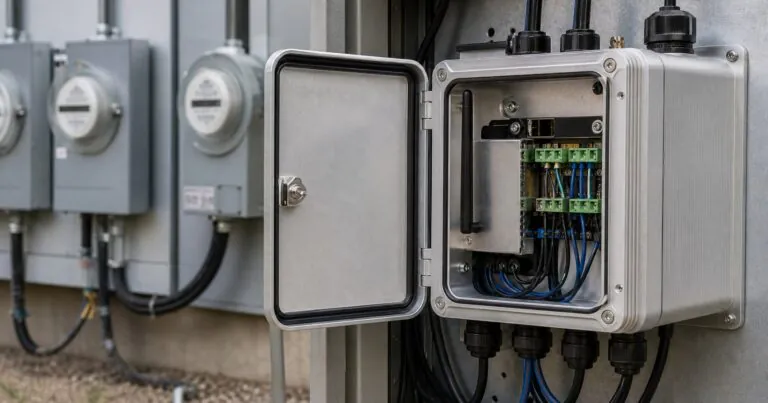
Smart meter gateways need outdoor protection. Water, dust, and rushed field service can create failures. I use a smart meter gateway aluminum enclosure to protect access points with control.
A smart meter gateway aluminum enclosure should separate sealed electronics from serviceable interfaces, use CNC-machined end plates, control gasket compression, and keep conductive contact for EMC. This helps engineers protect outdoor AMI communication hardware while keeping maintenance practical.
I see this problem more often as smart grid and AMI projects become more connected. The U.S. Energy Information Administration reports large-scale advanced metering infrastructure installations, and NIST also discusses communication pathways in its Smart Grid Framework. More communication means more connectors, antennas, firmware ports, and test points. The enclosure must protect all of them without making field work painful.
What Makes Service Access Difficult in a Smart Meter Gateway Aluminum Enclosure?
Service access looks simple. But every opening can weaken IP sealing and EMC shielding. I solve this by deciding which parts need access before machining starts.
Service access is difficult because connectors, SIM slots, debug ports, and antennas all break the enclosure surface. Engineers should group service points on CNC-machined plates, define sealing parts early, and avoid random holes after anodizing.
When Jeff sends me a gateway project, I do not start by asking only for outer size. I ask what must be touched in the field. This may include an M12 connector, RJ45 connector, SMA antenna connector, USB service port, reset button, LED window, SIM access, or ground screw. Each one affects the enclosure design.
Start With Access Frequency
An engineer should separate daily access, occasional access, and factory-only access. Daily access may need a stronger sealed connector. Occasional access may need a small cover plate with a gasket. Factory-only access should usually stay inside the housing, because extra field openings add risk.
| Access item | Common design risk | Better enclosure choice |
|---|---|---|
| Antenna connector | Poor sealing around thread | CNC cutout with correct washer area |
| RJ45 port | Large opening and gasket risk | Use rated connector or sealed cap |
| USB service port | Field cap may be forgotten | Put behind a gasketed service plate |
| LED window | Weak adhesive or poor fit | Machine a clean pocket for the lens |
| Ground point | Finish blocks conductivity | Mask or machine contact area after finish |
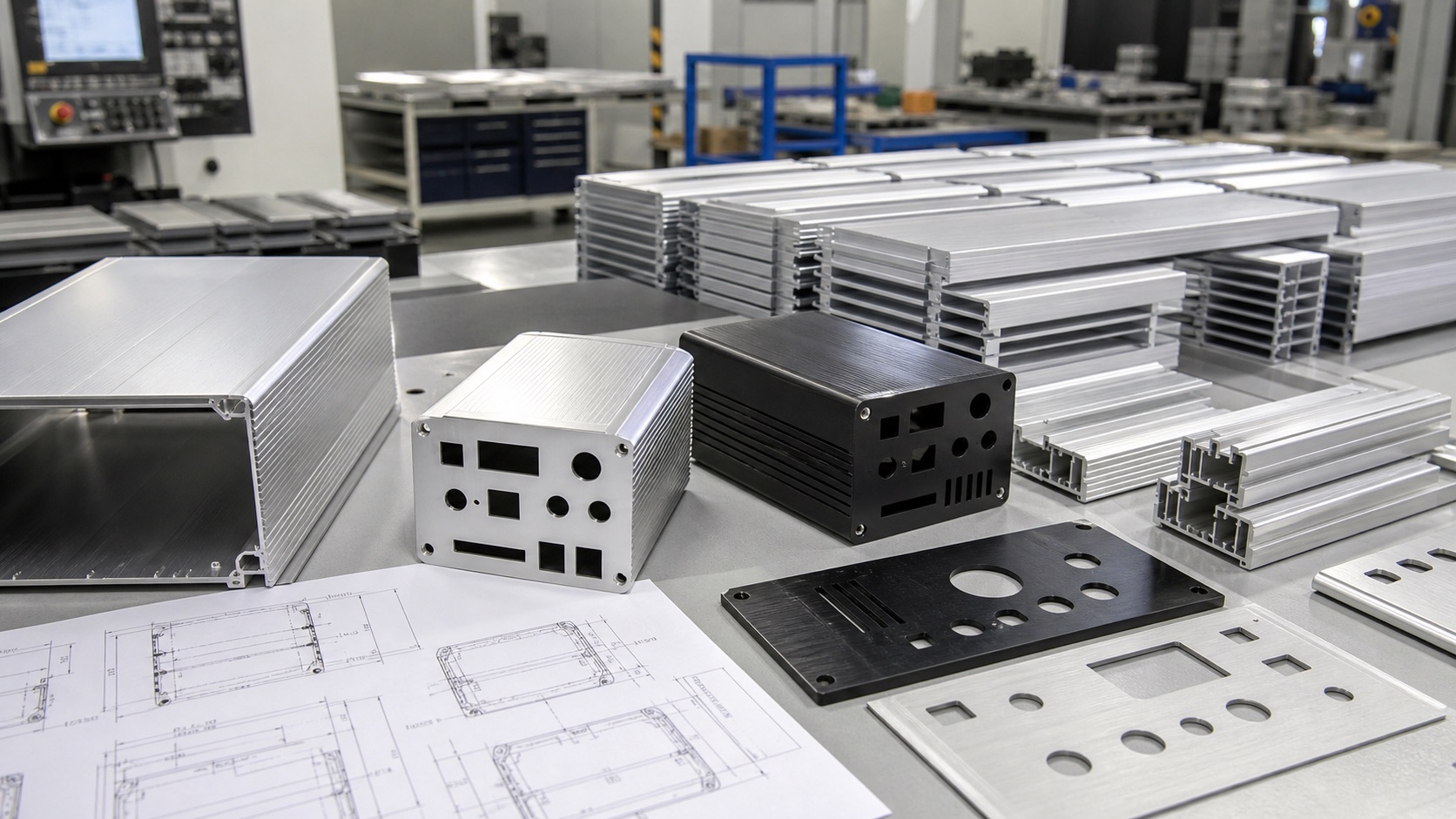
This is where a custom aluminum enclosure solution helps. A standard extrusion can keep the body stable, and custom end plates can carry the service details. This route is faster than opening a new mold for every prototype change. It also makes drawing communication clearer because most changes happen on one plate, not on the whole body.
I also remind customers that waterproof design is not only about the IP number. The official IEC 60529 IP Code defines degrees of protection, but the actual product must still survive its own cable layout, assembly method, and field behavior. A beautiful drawing can still fail if the washer has no flat seat or the gasket crosses a screw hole.
How Should Engineers Plan CNC End Plates and Seals?
Prototype changes are urgent. If the end plate layout is unclear, suppliers may machine twice. I prevent delays by checking cutouts, gasket seats, and tolerance stack-up first.
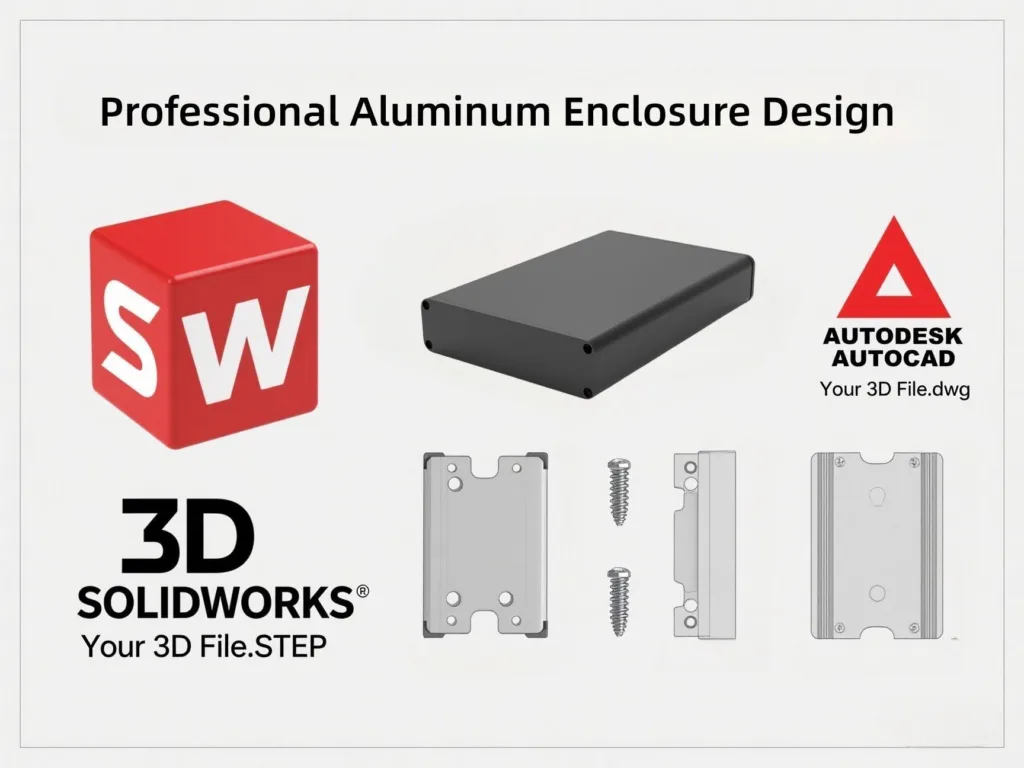
Engineers should plan CNC end plates with connector datasheets, thread callouts, gasket grooves, screw positions, and finish requirements. A clear 2D drawing plus STEP file reduces sealing mistakes and lead-time surprises.
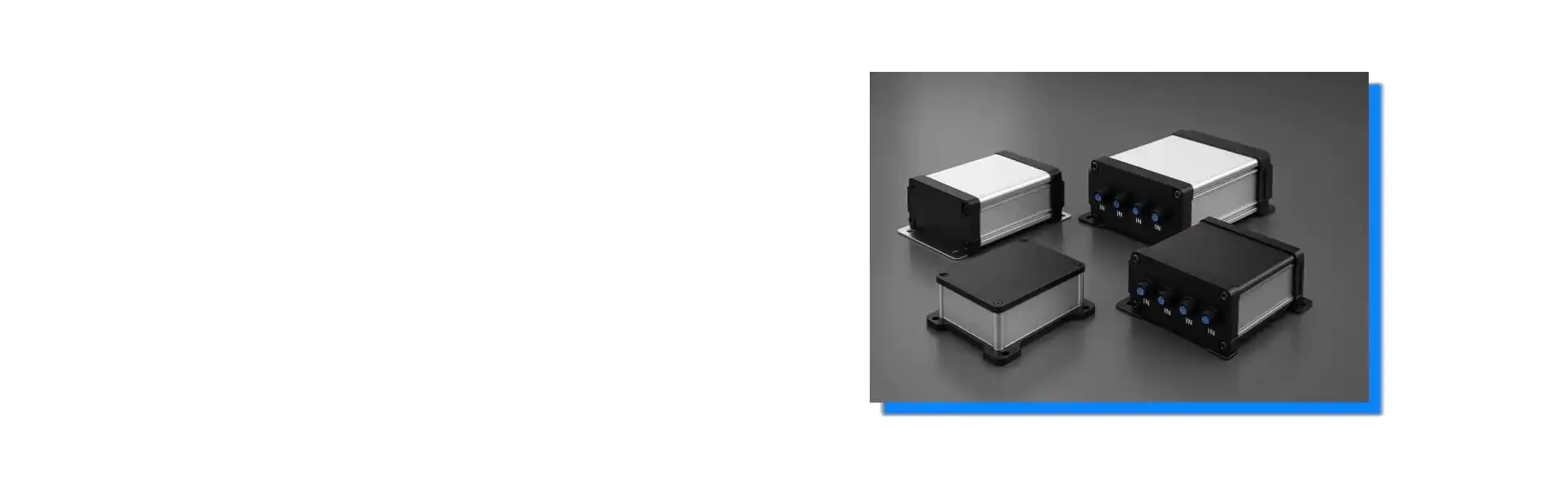
For a smart meter gateway, the end plate is often the most important customized part. The extrusion body gives structure and heat spreading. The end plate gives the product its real interface. If this plate is wrong, the PCB may still work, but the device cannot pass assembly, cable fitting, or waterproof testing.
Give The Supplier Real Connector Data
I prefer to receive the connector model number, datasheet, 2D drawing, and target mounting direction. A simple note like "make one RJ45 hole" is not enough. Different waterproof RJ45 connectors need different panel thickness, nut clearance, gasket compression, and wrench space. The same problem happens with cable glands and antenna connectors.
| Drawing detail | Why it matters | What I check at PUMAYCASE |
|---|---|---|
| Connector part number | Controls cutout and panel thickness | Datasheet size and locknut space |
| Gasket groove | Controls IP sealing pressure | Width, depth, corner radius, compression |
| Screw position | Controls plate pressure | Distance from sealing line |
| Surface finish | Controls contact and appearance | Anodizing color, masking, marking |
| Tolerance note | Controls fit repeatability | CNC tolerance and inspection point |
For CNC aluminum enclosure machining, I usually suggest keeping early prototypes flexible. Engineers can use a standard profile and make one or two CNC end plate versions for testing. This is useful when the communication module, antenna, or connector supplier changes during development.
Sealing also needs a realistic assembly plan. If the gasket is too soft, it may deform. If the screw spacing is too wide, the plate may lift at the corner. If the anodized surface covers a grounding area, the enclosure may look good but lose electrical contact. I prefer to mark these details before production, because fixing them after anodizing costs time.
Lead time also depends on how stable the drawing is. A clear drawing can move to machining quickly. A vague drawing creates emails, screenshots, and repeated confirmation. That delay is painful when a pilot build is waiting.
How Can Aluminum Help Heat Dissipation and EMC in Smart Meter Gateways?
Compact gateways create heat and noise. A plastic box may trap heat and need extra shielding. I use aluminum to create a stronger thermal and EMC path.
Aluminum helps smart meter gateways by spreading heat from internal modules and creating a conductive enclosure around sensitive electronics. Engineers should keep thermal contact areas flat and preserve metal contact at grounding points.
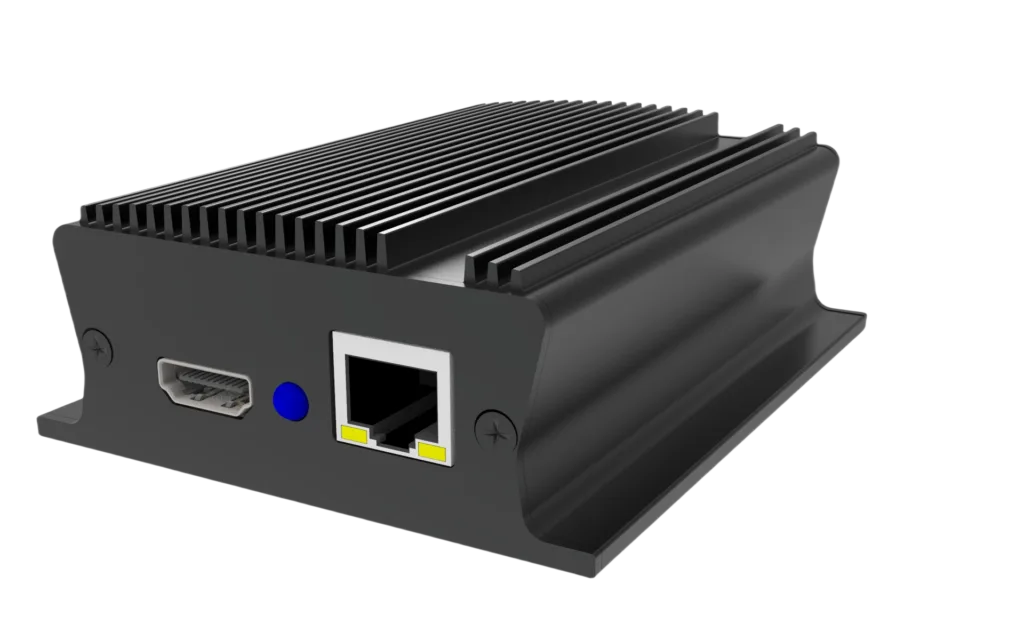
Smart meter gateways often include communication modules, power conversion parts, surge protection, antennas, and control boards. These parts may not create very high heat alone, but the enclosure may sit outdoors, inside a cabinet, or near other electrical equipment. Small temperature rise can become a reliability issue over time.
Treat The Enclosure As A Working Part
An aluminum enclosure is not only a shell. It can work as a heat spreader, mounting structure, shielding body, and service surface at the same time. The Aluminum Extruders Council explains that aluminum extrusion has useful thermal management properties because aluminum conducts heat well. In enclosure work, this advantage only helps when heat has a real path to the body.
| Requirement | Aluminum enclosure advantage | Design point to confirm |
|---|---|---|
| Heat dissipation | Conducts and spreads heat | Thermal pad or mounting boss contact |
| EMC control | Conductive body supports shielding | Bare metal contact or masked area |
| Outdoor durability | Strong and corrosion resistant | Anodizing thickness and sealing design |
| Prototype speed | End plates can be machined fast | Stable STEP and 2D files |
| Small-batch production | Standard extrusion reduces tooling | Confirm repeatable assembly method |
For EMC, I do not promise that any metal box automatically solves the problem. The LearnEMC reference on shielding theory explains why seams, openings, and cable penetrations matter. This matches what I see in production. A metal enclosure with many untreated openings can still leak noise. A smaller number of well-planned openings is easier to control.
This is why I like extruded aluminum enclosures for many gateway projects. The body gives a continuous metal path. The end plates handle CNC cutouts. If Jeff needs a waterproof version, I can review gasket seats, screw pressure, and connector sealing with him before sample machining. If he needs marking, I can also include anodizing, laser marking, or silk screen printing in the same project flow.
For outdoor smart meter gateways, my best advice is simple. Do not decide IP rating, heat path, EMC grounding, and service access in separate meetings. These details touch the same aluminum parts. If they are planned together, the enclosure becomes easier to build and easier to test.
Conclusion
A smart meter gateway aluminum enclosure works best when service access, IP sealing, CNC machining, heat dissipation, and EMC contact are designed together from the first prototype.