Smart Grid Aluminum Enclosure: How Should Engineers Protect Outdoor Control Electronics?
Smart grid devices face EMI, rain, heat, and urgent launch schedules. One weak enclosure choice can delay testing. I solve this with early enclosure planning.
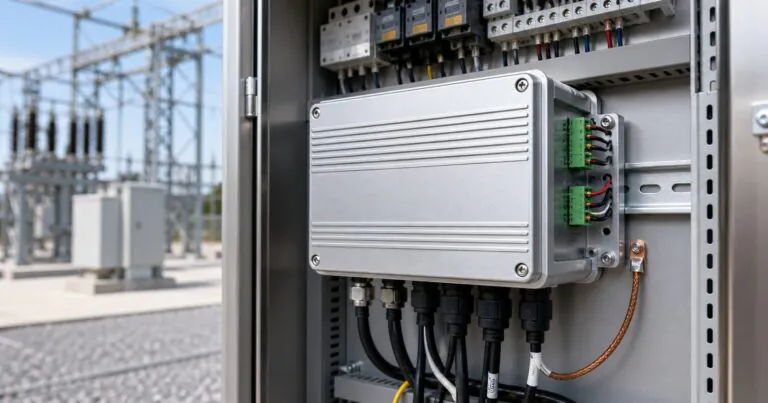
A smart grid aluminum enclosure protects outdoor control electronics by combining conductive metal shielding, IP-rated sealing, CNC-machined connector accuracy, controlled grounding, and heat transfer through the housing.
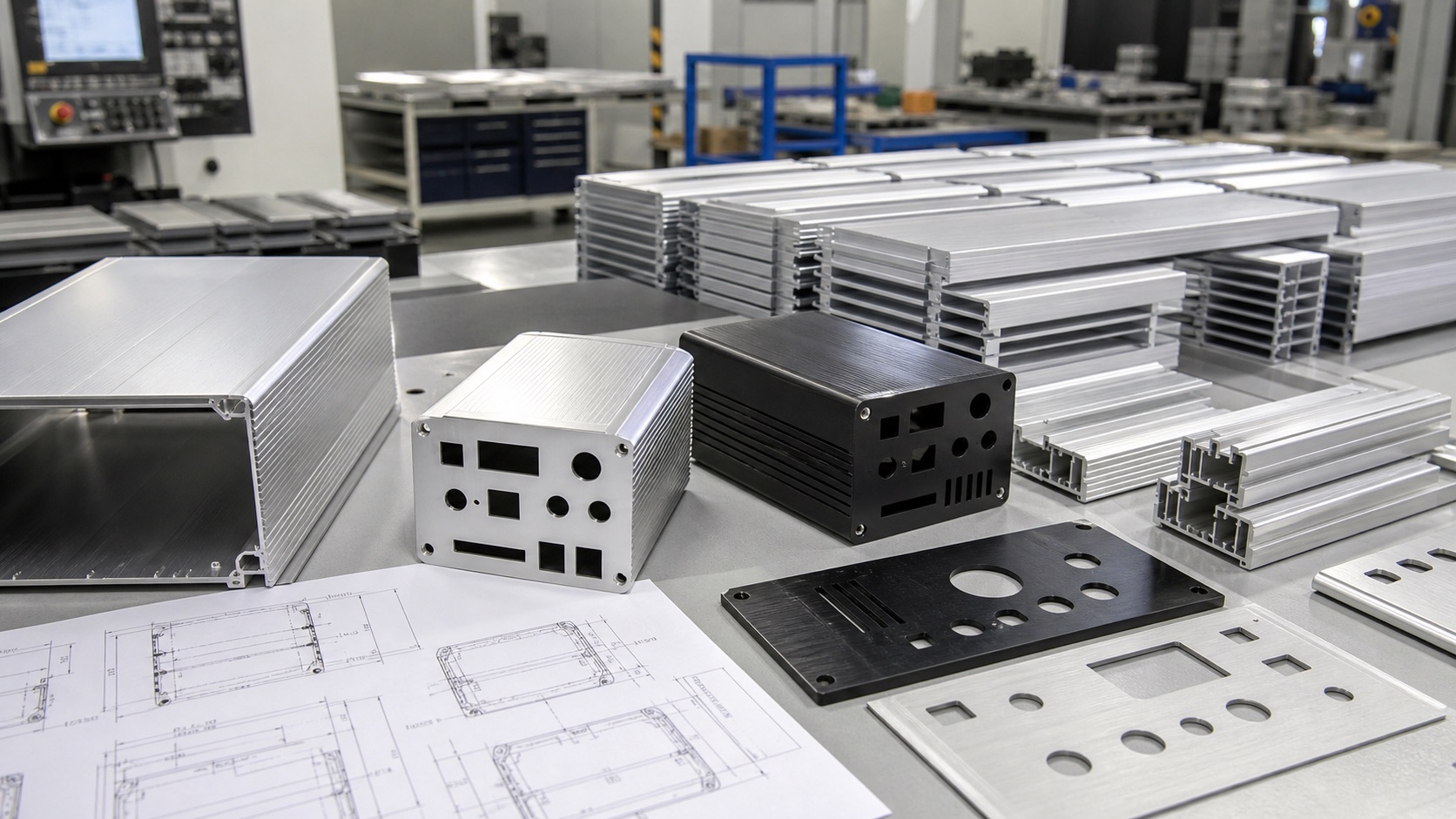
I see more engineers designing compact grid monitoring boxes, gateway modules, and sensor controllers for outdoor sites. These projects need more than a strong box. They need stable signal performance, reliable sealing, good heat paths, and supplier communication that does not slow the prototype. In this article, I will explain how I think about the enclosure before drawings become frozen.
Why does a smart grid aluminum enclosure need EMC planning early?
EMC problems often appear late in testing. Late changes cost time and damage confidence. Early aluminum enclosure planning keeps grounding, seams, and cutouts under control.
A smart grid aluminum enclosure needs EMC planning early because enclosure seams, cable entries, anodizing, and grounding points all affect shielding and signal stability.
I often see Jeff send a drawing after the PCB, antenna, connector, and display positions are almost fixed. At that point, the enclosure supplier can still machine the holes, but we cannot always fix the EMC path cleanly. A metal enclosure can help reduce electromagnetic interference, but only when the conductive path is continuous enough for the real device layout.
What I check before CNC machining starts
I first check where the noisy parts sit. Power conversion parts, relay areas, high-speed communication ports, and wireless modules do not need the same enclosure treatment. A smart grid controller may include RS485, Ethernet, LTE, or LoRa communication. If all ports are squeezed into one small end plate, the cable shield, gasket, and grounding screw must be planned together.
| Design area | Common risk | Practical enclosure action |
|---|---|---|
| End plate seam | Poor metal contact after coating | Keep a controlled conductive contact zone |
| Cable entry | Shield drain has no clear path | Add a grounding boss or metal gland area |
| Wireless module | Metal blocks useful RF signal | Use external antenna or RF window planning |
| Power section | Noise couples into signal ports | Separate port groups where possible |
The NIST Smart Grid Program shows why modern grid devices depend on sensing, control, communication, and interoperability. That also means the enclosure is not only mechanical protection. It becomes part of the electrical design. For PUMAYCASE, this is why I ask for the PCB outline, connector model, grounding requirement, and installation direction before we confirm the final custom aluminum enclosure solutions.
How should engineers design grounding and bonding in a smart grid aluminum enclosure?
Grounding points often look simple on drawings. But weak bonding can create noise and unstable tests. I prefer clear metal contact and documented assembly steps.
Engineers should design grounding and bonding with defined screw points, clean conductive contact areas, short ground paths, and consistent assembly torque.
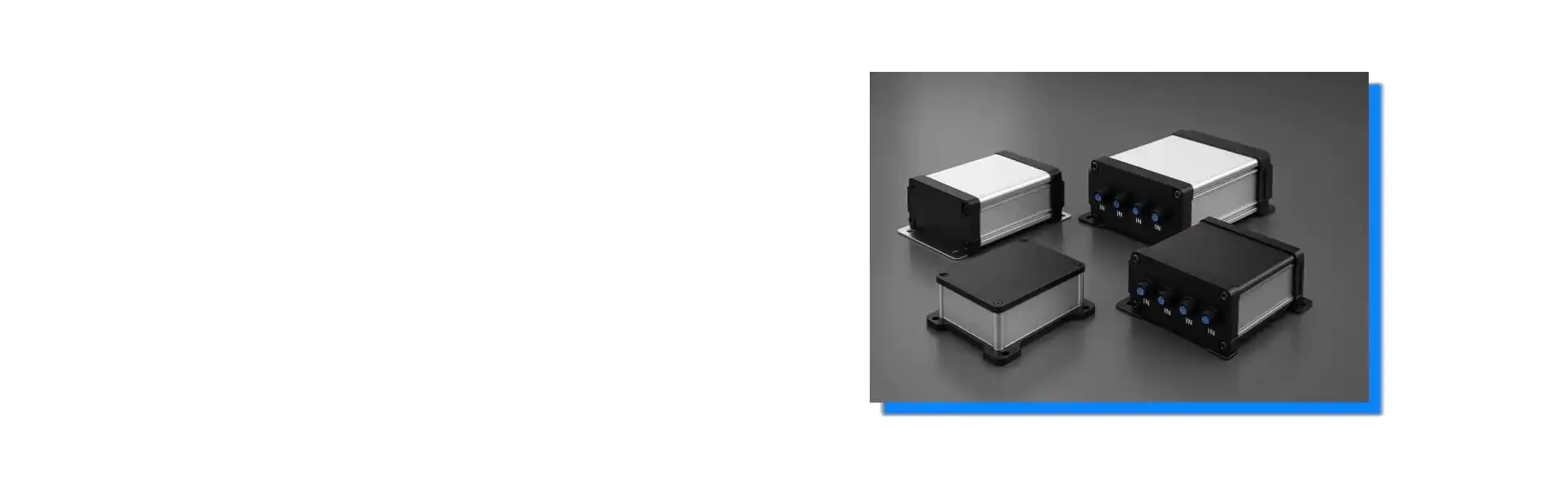
In my work, grounding problems usually come from small details. The drawing may show a grounding symbol, but the real part may have anodizing under the screw head. The screw may touch paint instead of bare metal. The cable shield may stop at the connector without a low-resistance path to the housing. These details can make the enclosure look correct but perform poorly.
How I make bonding easier for production
I like to create one or two clear grounding bosses inside the enclosure. If the customer needs surface treatment, I mark the area that should stay conductive or be cleaned after anodizing. I also ask whether the grounding wire uses a ring terminal, spring washer, serrated washer, or direct PCB contact. This helps the assembly team repeat the same result in prototype and small-batch production.
| Grounding choice | When it helps | What to define on the drawing |
|---|---|---|
| Internal grounding boss | Main protective earth or signal ground | Thread size, height, and contact area |
| Conductive gasket area | Better seam continuity | Masking zone or post-process cleaning |
| Metal cable gland | Shielded cable entry | Hole size, gland model, and torque |
| Star washer | Breaks light oxide layer | Washer type and screw stack |
NEMA enclosure guidance explains that electrical enclosures protect equipment and may also shield equipment from electromagnetic and radio frequency interference. In aluminum enclosure projects, I connect that idea to manufacturable details. A design cannot only say "EMC required." It should show where current flows, where metal touches metal, and which surfaces must remain suitable for contact.
For engineers who need quick prototypes, PUMAYCASE can combine extrusion cutting, end plate machining, drilling, tapping, and marking in one workflow. This reduces the chance that one supplier anodizes a part while another supplier later discovers that the grounding area needs rework. Our CNC aluminum enclosure machining support helps keep these details in one communication loop.
How can CNC machining and anodizing protect IP rating without hurting EMC?
Waterproofing and EMC often compete in compact devices. A sealed joint can block contact. I balance sealing surfaces, conductive zones, and machining tolerance together.
CNC machining and anodizing protect IP rating without hurting EMC when gasket grooves, connector holes, coating masks, and bonding areas are designed as one system.
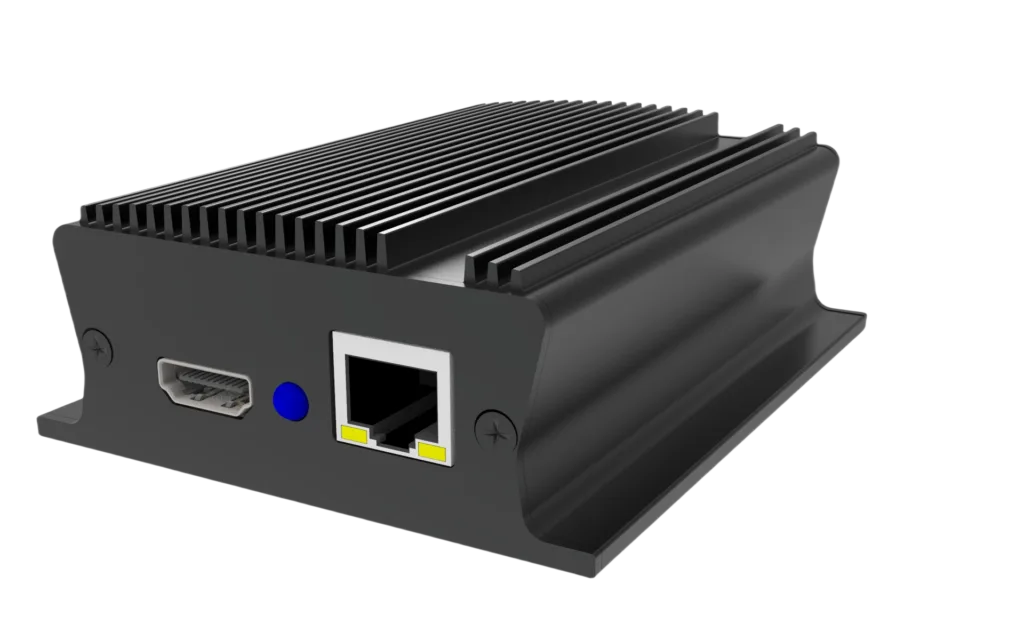
A smart grid aluminum enclosure may sit near substations, solar plants, battery storage sites, or outdoor control cabinets. The device may see rain, dust, temperature cycling, and electrical noise. Many engineers ask for IP67 or IP68 protection because they want field reliability. That is reasonable, but waterproof design should not erase the electrical contact needed for EMC.
How I balance sealing and contact
I separate the sealing function from the bonding function whenever possible. The gasket needs a smooth and stable compression surface. The conductive path needs reliable metal contact. If we try to make one small area do everything, the design becomes hard to control. For example, an anodized end plate can look beautiful and resist corrosion, but anodizing is not a good conductive contact surface. So I may suggest masking a bonding pad, using a serrated washer, or adding a dedicated ground screw.
| Requirement | Enclosure feature | Supplier question to ask early |
|---|---|---|
| IP67 sealing | Gasket groove and compression stop | What gasket material and compression are planned? |
| Connector sealing | CNC-machined round or rectangular cutout | What connector model and tolerance are required? |
| EMC contact | Bare or controlled conductive area | Which surface must stay electrically connected? |
| Outdoor finish | Anodizing or coating | Does the finish affect grounding or label durability? |
The IEC 60529 IP rating system defines degrees of protection against dust and water. It does not automatically solve condensation, cable gland quality, or EMC contact. The Aluminum Association standards resources also remind us that alloy, temper, and product standards matter when choosing aluminum materials. I use these ideas in a practical way: I want the enclosure drawing to show material, finish, tolerance, gasket design, and grounding requirements clearly.
For outdoor grid devices, I often recommend starting from extruded aluminum enclosures when the device size fits a standard profile. This can shorten lead time and still allow CNC custom holes, laser marking, silk screen printing, anodizing, and assembly support. If the customer needs a more complex waterproof structure, we can discuss waterproof aluminum enclosures with custom end plates, seal grooves, and testing support.
Conclusion
A smart grid aluminum enclosure works best when EMC, IP rating, CNC machining, anodizing, heat, and lead time are planned together from the start.