IP68 Aluminum Enclosure Immersion Test: How Can Engineers Prepare Outdoor Sensors?
Outdoor sensors fail when water enters the enclosure. This delays field trials and damages trust. An IP68 aluminum enclosure immersion test helps reduce that risk.
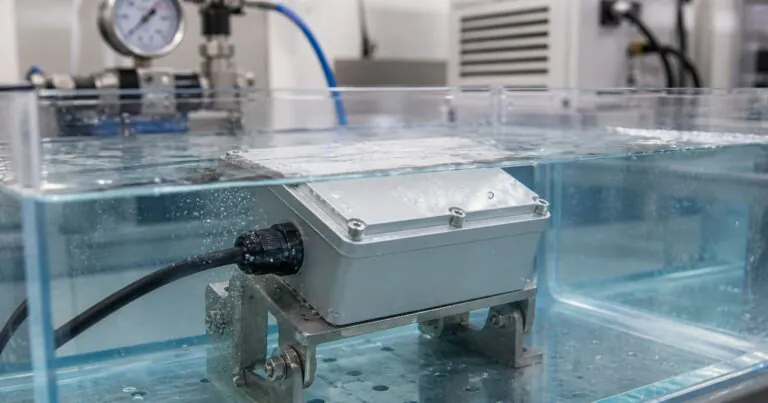
An IP68 aluminum enclosure immersion test checks whether a sealed enclosure can protect electronics during deeper or longer water exposure under agreed test conditions. Engineers should define depth, time, cable entry, gasket design, machining tolerance, and inspection method before testing.
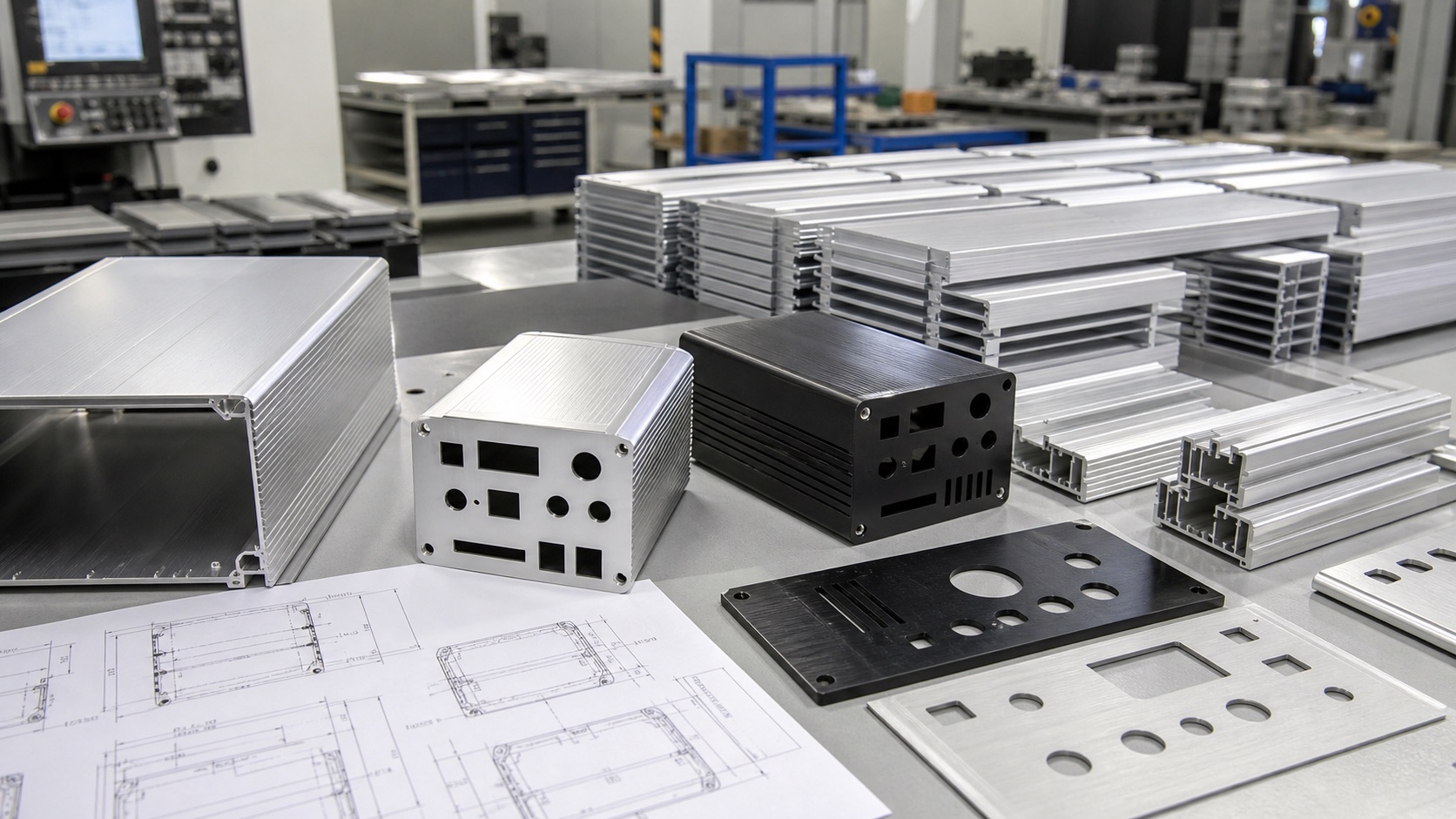
I see more outdoor electronics projects for smart sensors, renewable energy monitoring, water treatment, and edge data collection. These products often look small, but the enclosure work is not small. The test result depends on many details before the device ever enters water.
Why Should Engineers Define IP68 Test Conditions Before Choosing An Enclosure?
Many teams ask for IP68 without details. This creates wrong quotes and failed tests. Clear test conditions make supplier feedback more useful.
Engineers should define IP68 depth, immersion time, water type, cable state, connector state, pressure change, and acceptance criteria before choosing an enclosure. IP68 is not one fixed test condition for every product.
IP68 Is A Design Target, Not A Magic Label
When Jeff tells me, “Jessie, we need IP68,” my first question is not the price. My first question is the real use condition. Will the device sit in rain only? Will it be buried near wet soil? Will it be washed down? Will it be placed near a water tank? Will it stay under water for one hour, one day, or longer?
The official IEC 60529 IP Code classifies degrees of protection provided by enclosures. But for IPX8, the actual immersion condition is agreed between the manufacturer and user. This is why a simple “IP68 enclosure” request can be risky. Two products can both be called IP68, but one test may be much easier than the other.
At PUMAYCASE, I prefer to turn the requirement into a short test note before we talk about machining. This protects both sides. It helps my engineering team check gasket compression, screw spacing, end plate flatness, and cable entry risk. It also helps the buyer compare suppliers in a fair way.
| Item To Define | Why It Matters | Example For RFQ |
|---|---|---|
| Water depth | Sets pressure on seals | 1.5 m or 2 m |
| Immersion time | Shows real exposure | 30 minutes, 2 hours, 24 hours |
| Cable condition | Cable glands are common leak points | With cable installed |
| Connector condition | Open ports change the result | All connectors assembled |
| Inspection method | Prevents unclear pass or fail judgment | No water mark inside after test |
For a practical start, Jeff can send us the target test depth, time, drawing, connector model, and expected installation direction. Then we can suggest waterproof aluminum enclosures with the right sealing structure instead of guessing.
How Can CNC Machining Details Affect IP68 Aluminum Enclosure Immersion Test Results?
A good gasket cannot fix poor machining. Small tolerance errors become leak paths. CNC control helps the sealing surfaces stay flat and repeatable.
CNC machining affects IP68 test results through end plate flatness, groove depth, screw hole position, connector cutout accuracy, surface roughness, and burr control. These details decide whether the gasket seals evenly.
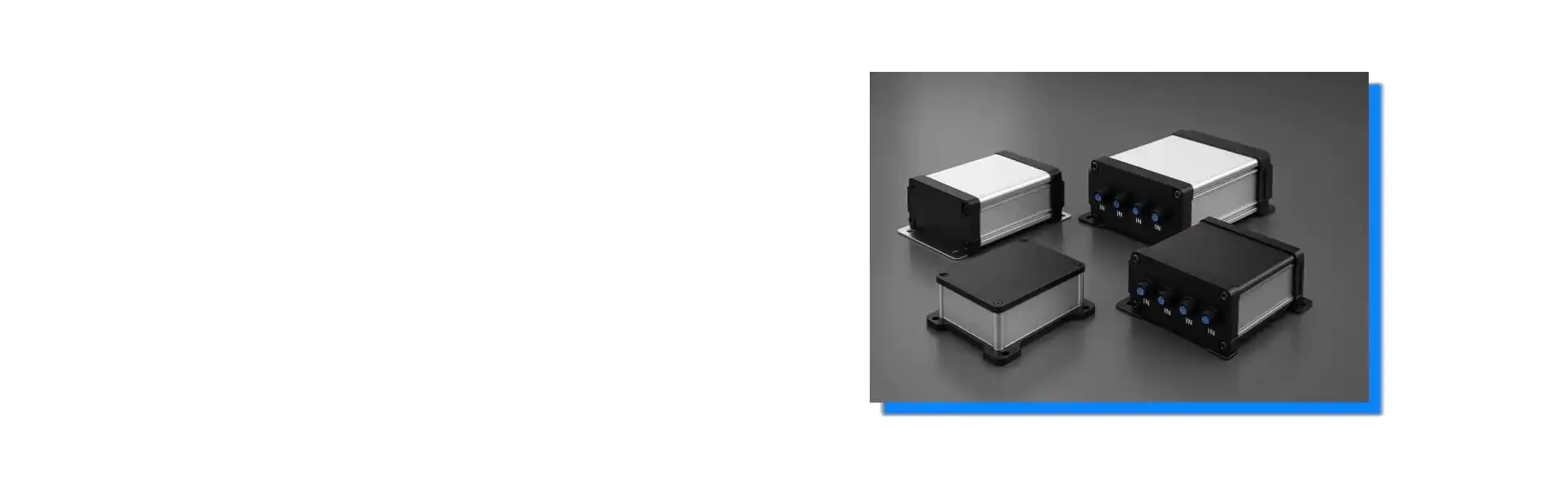
The Leak Often Starts At A Small Mechanical Detail
In real projects, water does not care about the drawing title. It enters through the weakest path. I have seen teams focus only on gasket material, but the real issue was an uneven end plate. I have also seen connector holes made by another supplier, and the hole size did not match the cable gland thread shoulder. The gasket was good, but the assembly still leaked.
For an IP68 aluminum enclosure immersion test, CNC machining must support stable compression. The groove cannot be too deep, because the gasket may not touch enough. The groove cannot be too shallow, because the gasket may be over-compressed and age faster. Screw spacing also matters. If the distance between screws is too wide, the end plate can lift slightly between screw points.
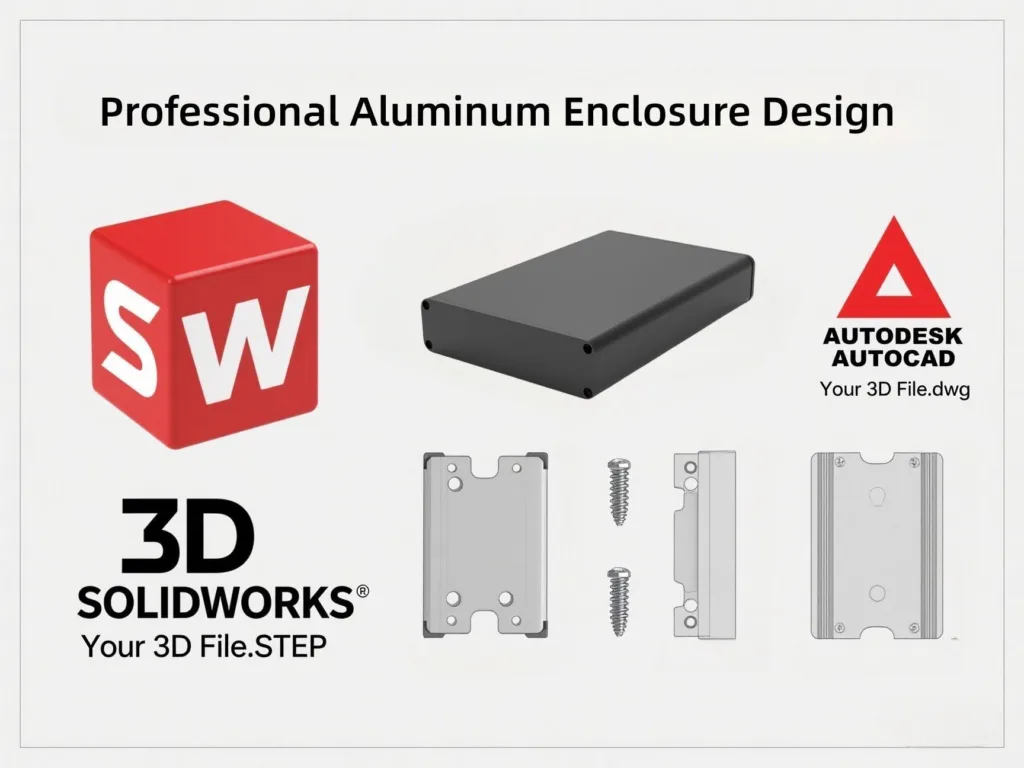
This is one reason I like to review 2D drawings and 3D models together. A 3D file shows the shape, but a 2D drawing shows tolerance, thread depth, finish, and inspection notes. For urgent prototypes, this saves time because we can mark the risky areas before cutting aluminum.
| CNC Detail | Possible Problem | Practical Control |
|---|---|---|
| Gasket groove depth | Weak compression or over-compression | Confirm gasket size before machining |
| End plate flatness | Uneven sealing line | Add flatness requirement on drawing |
| Connector cutout | Cable gland cannot seat correctly | Check connector datasheet before CNC |
| Burrs near holes | Gasket scratch or poor assembly | Deburr and inspect sealing zones |
| Anodizing thickness | Fit changes in tight areas | Reserve tolerance for surface treatment |
For small-batch builds, I suggest keeping CNC machining, anodizing, marking, and assembly under one technical review. This reduces handoff mistakes. Our CNC aluminum enclosure machining support is useful when Jeff needs fast drawing feedback and stable prototype lead time.
What Should Engineers Check Around Gaskets, Cable Glands, And Heat Paths?
Sealed outdoor devices have many tradeoffs. Better sealing can trap heat and complicate cable entry. A balanced design checks all weak points together.
Engineers should check gasket compression, cable gland rating, connector sealing, screw torque, thermal contact, pressure change, and assembly sequence. IP68 performance depends on the full enclosure system, not only the aluminum body.
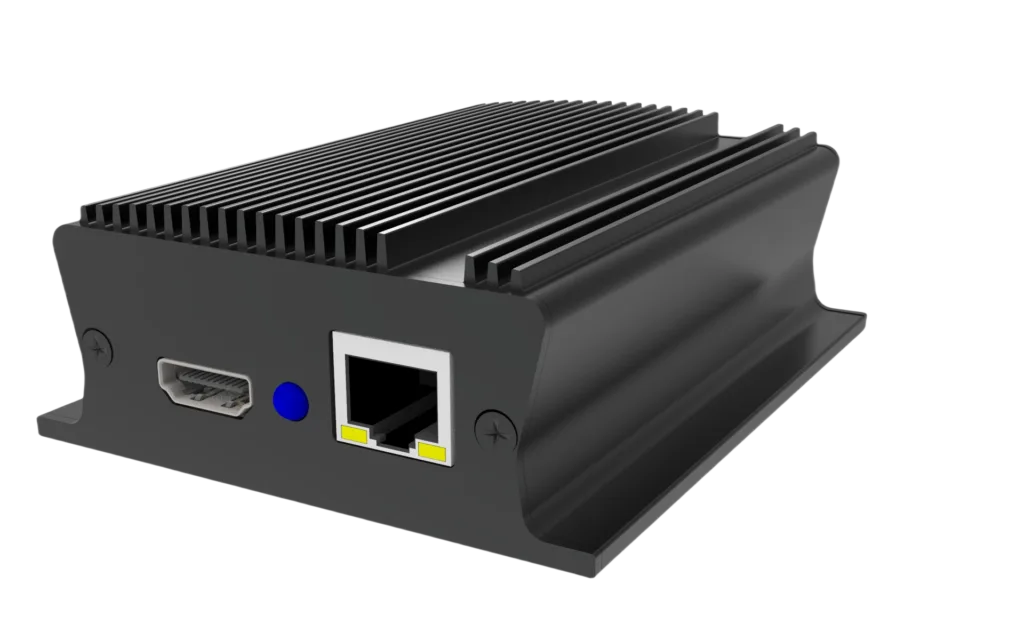
Sealing, Wiring, And Heat Must Be Designed Together
Outdoor sensors for solar farms, water systems, traffic equipment, and industrial automation often run all day. The enclosure must block water, but the electronics still make heat. If the product has a power module, wireless module, battery, or edge computing board, the internal temperature can rise quickly in a sealed box.
Aluminum helps because it conducts heat better than plastic in many enclosure designs. The enclosure wall can become part of the heat path if the PCB, thermal pad, or bracket is designed well. But sealing can reduce air exchange, so Jeff should not treat waterproof protection and thermal design as two separate jobs.
Cable glands also need attention. A gland may have a rating, but the final result depends on cable diameter, tightening torque, hole quality, thread engagement, and installation direction. The NEMA enclosure guidance is also useful when teams compare environmental protection needs for electrical equipment, especially for North American buyers.
| Area | Check Before Test | Common Mistake |
|---|---|---|
| Main gasket | Compression and material | Reusing a gasket after damage |
| Cable gland | Cable OD and thread fit | Using the wrong cable diameter |
| Screw torque | Even tightening pattern | Tightening one side first |
| Thermal path | Contact from heat source to case | Leaving hot parts floating inside |
| Finish | Anodized sealing contact area | Ignoring coating thickness |
I also ask customers to confirm whether the product will face sun, vibration, temperature cycling, or service access. The NIST IoT Devices and Infrastructures Group shows how broad connected device infrastructure has become. More devices are now installed outside factories and labs, so enclosure reliability has become part of product reliability.
For this kind of project, custom aluminum enclosure solutions can combine extrusion, CNC machined end plates, anodizing, laser marking, and assembly checks in one workflow.
Conclusion
An IP68 aluminum enclosure immersion test succeeds when engineers define test conditions, control CNC details, and review sealing, cable entry, heat, and assembly together.