IP67 Aluminum Enclosure Pressure Equalization: How Can Engineers Prevent Seal Failure?
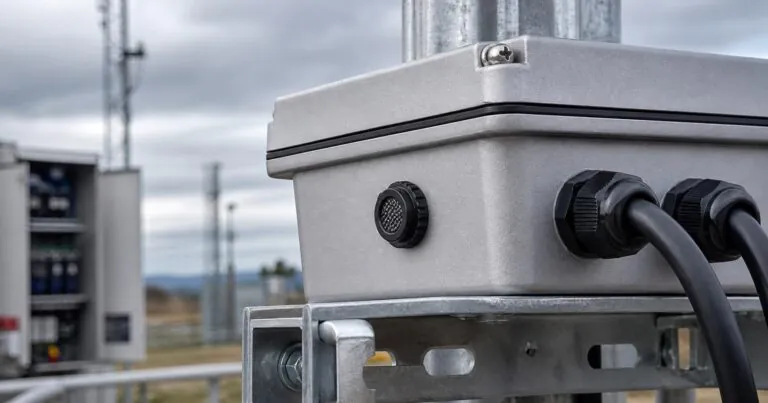
Outdoor devices fail when sealed boxes cannot breathe. Heat, rain, and altitude changes stress gaskets. Good IP67 aluminum enclosure pressure equalization reduces that risk.
IP67 aluminum enclosure pressure equalization uses a protected vent or planned breathing path to balance internal and external pressure while keeping dust and water away from electronics.
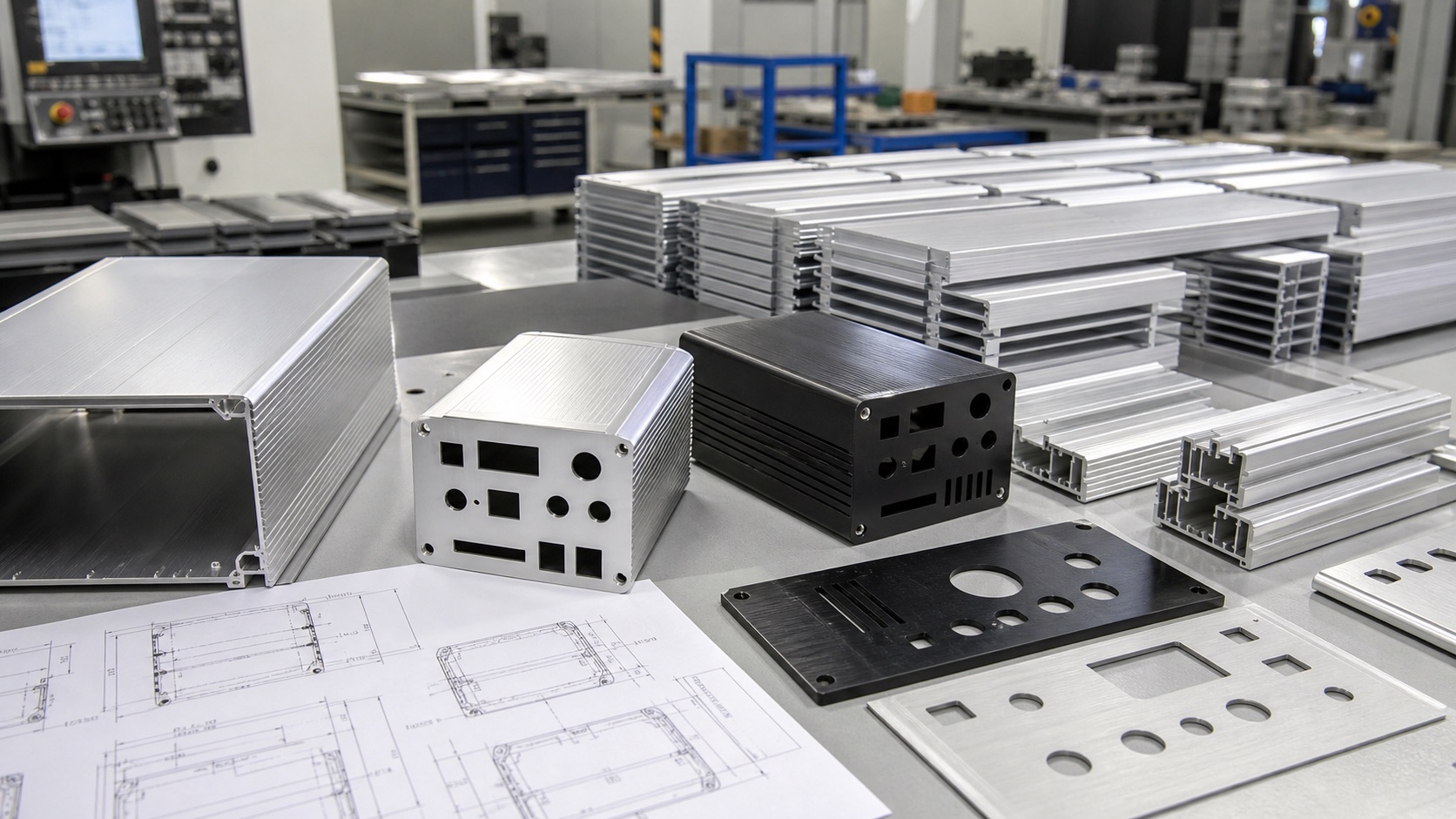
I see this issue often when engineers design outdoor sensors, edge gateways, EV charging accessories, or renewable energy monitors. The enclosure looks strong. The gasket looks correct. The CNC machined end plates are accurate. But after thermal cycling, water spray, or field use, the customer finds condensation, a distorted seal, or a small leak around a connector. In many cases, the problem is not only the gasket. The problem is pressure.
Why Does Pressure Build Inside a Sealed Aluminum Enclosure?
A sealed enclosure traps air inside. Temperature changes expand and contract that air. Repeated pressure stress can weaken gaskets, seals, and connector interfaces.
Pressure builds because outdoor electronics heat up during operation and cool down after rain, night air, shutdown, or altitude change. A vent can help equalize pressure.
What I Check First?
When Jeff sends me a drawing for a waterproof enclosure, I do not only check the outside size. I also ask where the heat comes from, where the cable glands sit, and how often the device will face sun, rain, washdown, or fast cooling. A sealed aluminum box is strong, but the trapped air inside still follows basic physics. When the internal temperature rises, the air expands. When the box cools, the air contracts. If there is no safe way to breathe, the pressure pushes and pulls on the weakest areas.
The weak area is often not the thick aluminum wall. It is usually the gasket line, a connector O-ring, a cable gland, or a thin plastic lens. The official IEC 60529 IP Code explains that IP ratings classify protection provided by enclosures, but the rating does not remove the need for good mechanical design. A product can pass one test and still suffer in long field use if pressure cycling was ignored.
| Design factor | What can happen | Practical design response |
|---|---|---|
| High internal heat | Positive pressure pushes on seals | Create a heat path to the aluminum body |
| Sudden rain cooling | Negative pressure pulls moisture inward | Add pressure equalization planning |
| Large internal air volume | Bigger pressure swing | Reduce empty volume or use a vent |
| Connector-heavy panels | More leak paths | Control CNC tolerances and gasket seats |
| Outdoor mounting | Sun and shade cycling | Ask for realistic test conditions |
This is why I like to review waterproof projects early. If we only discuss IP67 after machining, it may be too late. For waterproof aluminum enclosures, PUMAYCASE can help check the extrusion, end plate thickness, gasket groove, and CNC hole layout before the first sample. This saves time because small design changes are easier before anodizing and assembly.
How Should Engineers Design a Vent Without Losing IP Protection?
Some teams add random holes to release pressure. This creates a leak path. A protected membrane vent balances pressure while supporting dust and water protection.
Engineers should use a qualified enclosure vent, place it away from direct water impact, and design the CNC hole, sealing surface, and internal clearance around supplier data.
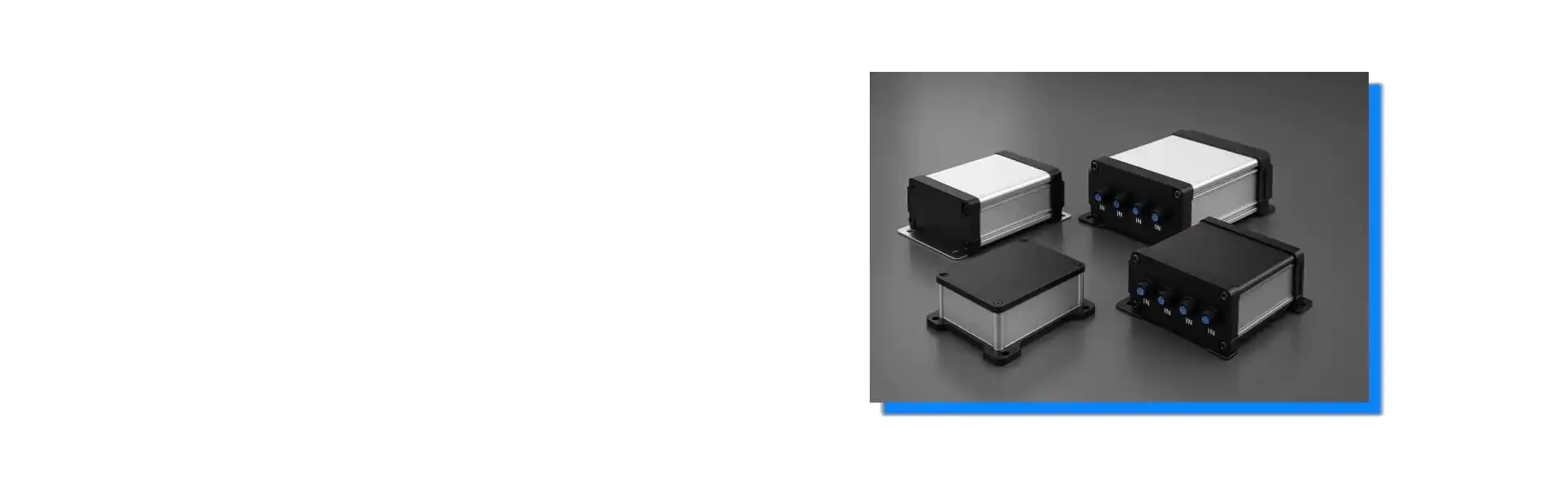
What Makes a Vent Different From a Hole?
A vent is not just a hole in the panel. A proper vent uses a breathable membrane or mechanical structure to let air pass while blocking liquid water and particles within its design limits. Gore explains that enclosure vents can regulate internal pressure in outdoor electronics and help reduce damage from pressure imbalance, leaks, condensation, and contamination. Their overview of GORE Vents is a useful technical reference when engineers want to understand the basic function.
From the enclosure side, the most important work is the interface. The vent needs the correct hole diameter, flat sealing area, enough wall thickness, and enough space inside the enclosure. If the vent is screw-in, the thread and counterbore must match. If it is adhesive, the surface finish and cleaning process matter. If it is snap-in, the panel thickness and hole tolerance are critical.
| Vent design point | Why it matters | Supplier question to ask |
|---|---|---|
| Hole diameter | Controls fit and sealing | What tolerance is required? |
| Panel thickness | Affects snap or thread engagement | What wall thickness range is allowed? |
| Surface finish | Affects adhesive or gasket seal | Should anodizing be masked? |
| Location | Reduces splash and impact risk | Can the vent face down or sideways? |
| Internal clearance | Prevents blockage | How much free space is needed? |
I usually suggest placing the vent where it is protected from direct spray, standing water, tools, and labels. For example, a side wall or downward-facing end plate area may work better than the top face of an outdoor sensor box. But the best choice depends on mounting direction. That is why the drawing should clearly show "installed orientation." With CNC aluminum enclosure machining, PUMAYCASE can machine the vent hole and connector cutouts in one setup when the layout is confirmed. This helps reduce mismatch between the vent, cable gland, PCB, and end plate.
What Should Buyers Confirm Before Prototype and Batch Production?
Many enclosure problems appear after the sample looks finished. If buyers skip pressure, gasket, and assembly checks, batch production can repeat the same hidden failure.
Before production, buyers should confirm IP target, vent specification, gasket compression, CNC tolerances, surface treatment, assembly torque, and real field test conditions.
What I Ask Before Quoting?
For a custom waterproof project, I prefer to ask practical questions before I quote too fast. What is the IP target? Is it IP67, IP68, or only rain protection? Will the device sit under sun all day? Does it include a battery, power module, wireless module, or edge processor? Will the customer open the enclosure for service? Will the product be used near salt fog, dust, oil mist, or cleaning water?
These questions are not decoration. They decide the enclosure structure. For example, an outdoor edge gateway may need heat to move from a processor to the aluminum wall. Research on edge inference devices shows that sustained operation can be affected by thermal throttling and ambient temperature, so enclosure heat paths matter in the field. A sealed box with no vent and poor heat path may protect the PCB from rain, but it may still create pressure and heat problems.
| Prototype check | What to verify | Why it protects lead time |
|---|---|---|
| IP rating target | Test level and use condition | Avoid overdesign or underdesign |
| Vent choice | Type, hole, airflow, location | Prevent late panel redesign |
| Gasket groove | Width, depth, compression | Reduce leakage risk |
| CNC tolerance | Connector and vent fit | Avoid assembly rework |
| Anodizing plan | Masking and contact surfaces | Protect sealing and grounding |
| Assembly method | Screw torque and sequence | Keep compression even |
I also remind buyers that IP67 and IP68 are not the same conversation. IP67 is often linked with temporary immersion conditions, while IP68 is defined by conditions agreed with the manufacturer under the standard framework. The NEMA enclosure guidance is also useful when teams compare environmental protection needs for industrial equipment. For custom aluminum enclosure solutions, we can support drawings, CNC machining, anodizing, laser marking, silk screen printing, and small-batch assembly. This gives Jeff one technical channel instead of several separate suppliers.
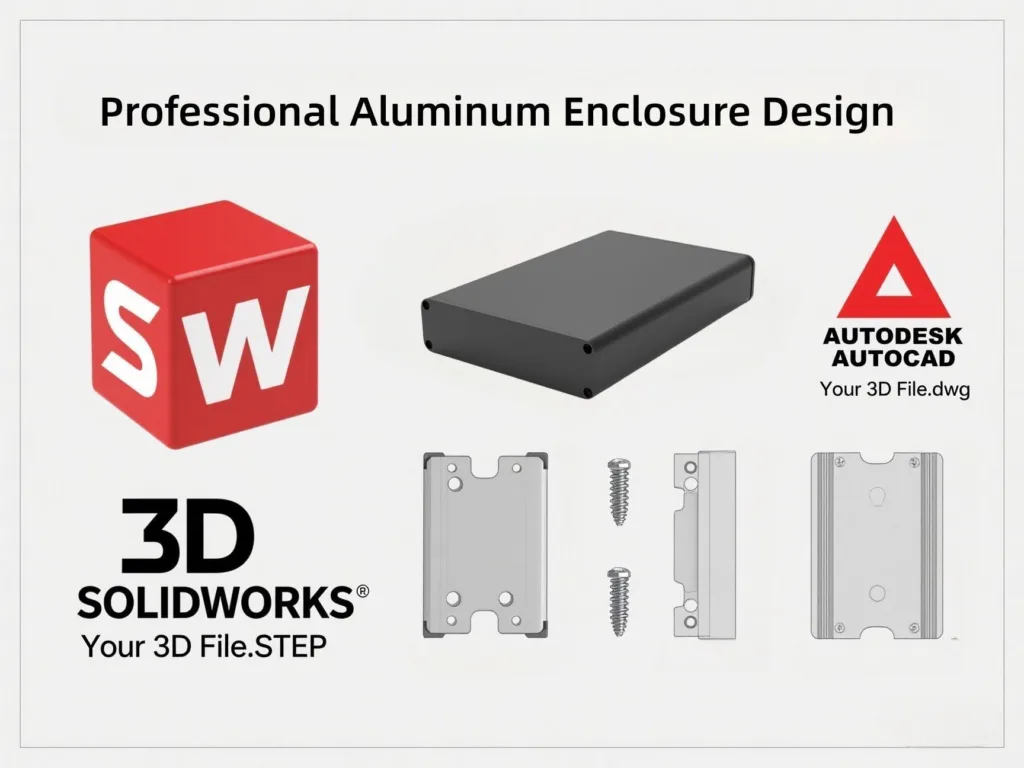
The best time to discuss pressure equalization is before the first sample. A 2D drawing should show vent location, connector cutouts, gasket groove, screw size, and tolerance notes. A 3D model should show internal clearance. If the product has a strict schedule, I also suggest using a standard extruded aluminum profile first, then customizing the end plates. This can shorten lead time and still give enough freedom for connectors, vents, labels, and mounting holes.
Conclusion
IP67 aluminum enclosure pressure equalization helps outdoor devices stay sealed, stable, and practical when engineers plan vents, gaskets, CNC machining, and testing early.