
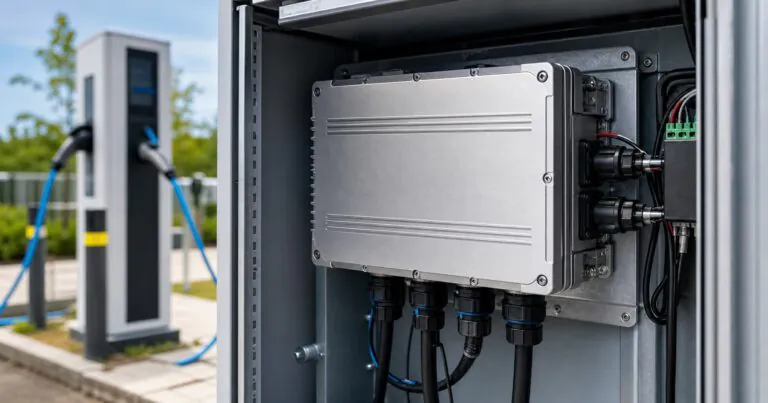
EV Charging Control Module Aluminum Enclosure: How Should Engineers Plan Outdoor Reliability?
EV charging control modules face heat, rain, dust, and service pressure. If the enclosure is weak, failures appear in the field. Aluminum enclosure planning reduces risk.
An EV charging control module aluminum enclosure should combine IP protection, heat transfer, EMC control, cable entry planning, and service access. Engineers should define the installation environment, connector layout, CNC details, finish, and lead-time target before prototype production.
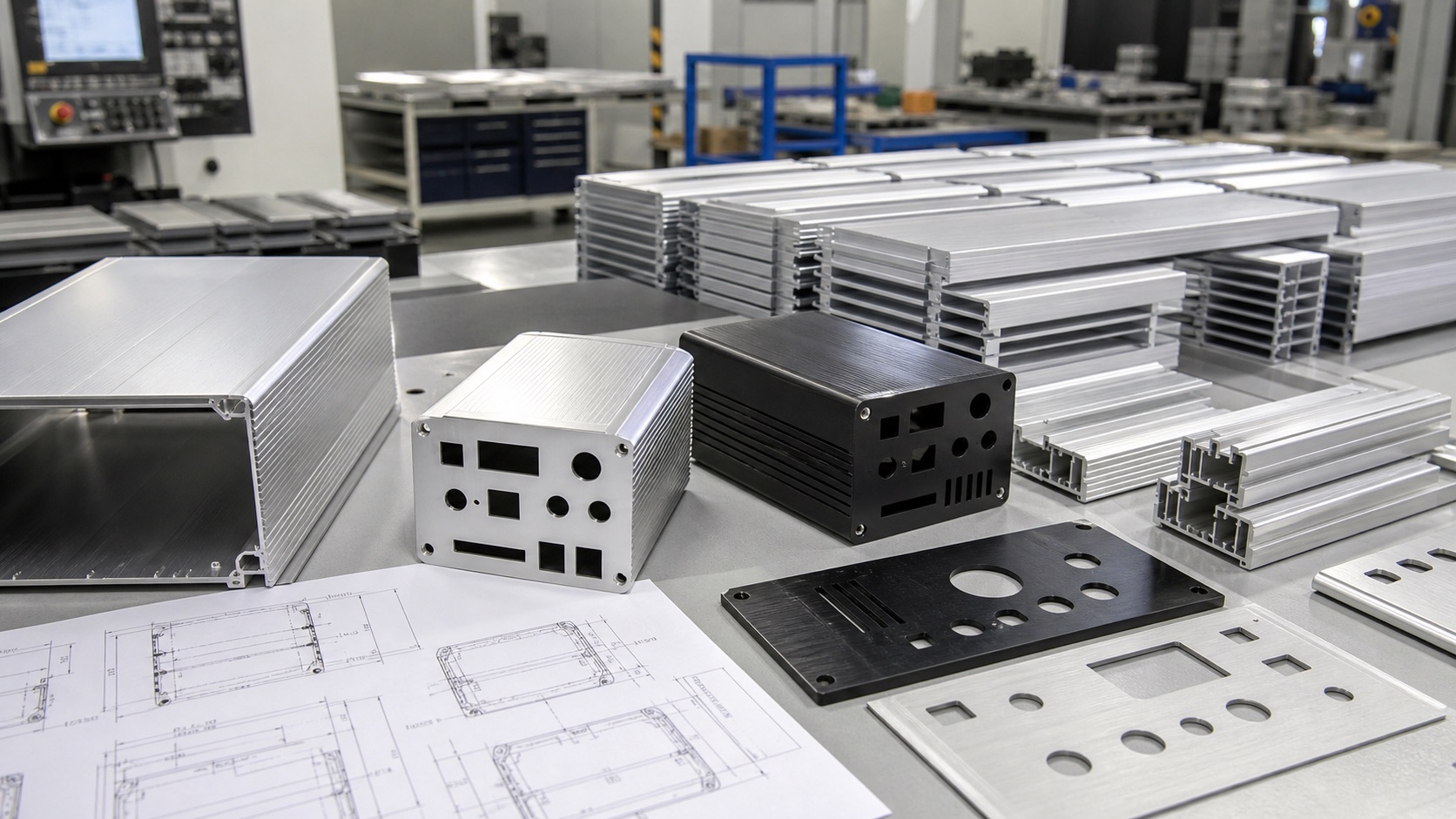
I see more teams building charging control boxes, payment modules, smart meter interfaces, communication gateways, and auxiliary control units for EV charging equipment. These products are not always large power cabinets. Many are compact electronics modules that still need outdoor protection, stable heat dissipation, and fast customization. That is where a practical aluminum enclosure design can save time.
Why Does an EV Charging Control Module Aluminum Enclosure Need Early Environmental Planning?
Outdoor charger electronics look simple on a drawing. Rain, sun, cable pull, and heat make them harder. Early environmental planning keeps the enclosure realistic.
An EV charging control module aluminum enclosure needs early environmental planning because the final installation decides the IP rating, surface finish, gasket design, mounting method, and thermal path. These choices affect CNC machining, testing, cost, and lead time.
I Start With the Real Charging Site
When Jeff asks me for a custom aluminum enclosure solution, I do not start only with length, width, and height. I first ask where the EV charging control module will work. A wall-mounted control box beside a parking charger has different risks from a small communication module inside a charging cabinet. A roadside charger also faces more dust, UV, water spray, and cable stress than an indoor test unit.
NEMA says electrical enclosures protect equipment in industrial, utility, and EV charging applications, and its enclosures overview is a useful reference when engineers compare environmental needs. For me, this general requirement must become a real enclosure checklist before CNC machining starts.
| Site Condition | Enclosure Risk | Practical Design Check |
|---|---|---|
| Outdoor wall mounting | Rain reaches seams and screws | Define gasket and screw spacing early |
| Direct sun | Internal temperature rises | Use aluminum body as heat spreader |
| Parking area dust | Connector seals wear faster | Select correct cable gland and plug style |
| Frequent service | Screws and labels are touched often | Keep access simple and marking clear |
| Vibration or cable pull | Connector area may loosen | Add enough panel thickness and support |
I also check the difference between a control module and a main power enclosure. Many control modules hold a PCB, relay driver, communication board, display cable, or metering interface. They may not carry the highest current, but they often decide whether the charger communicates, bills, or reports faults correctly. This makes reliability important.
For prototype projects, I usually suggest standard extruded aluminum bodies with CNC machined end plates when the size is suitable. This route supports fast changes. It also helps protect lead time because we can adjust holes, slots, countersinks, and markings without opening a new extrusion die.
How Should Engineers Balance IP Rating and Heat Dissipation in EV Charging Electronics?
Sealing protects electronics from water. It also traps heat inside the box. A good design uses aluminum as protection and heat path.
Engineers should balance IP rating and heat dissipation by defining gasket compression, cable gland sealing, internal hot spots, wall contact areas, and external surface exposure together. The enclosure should protect against ingress while moving heat from components to the aluminum shell.
IP Protection Is an Assembly Result
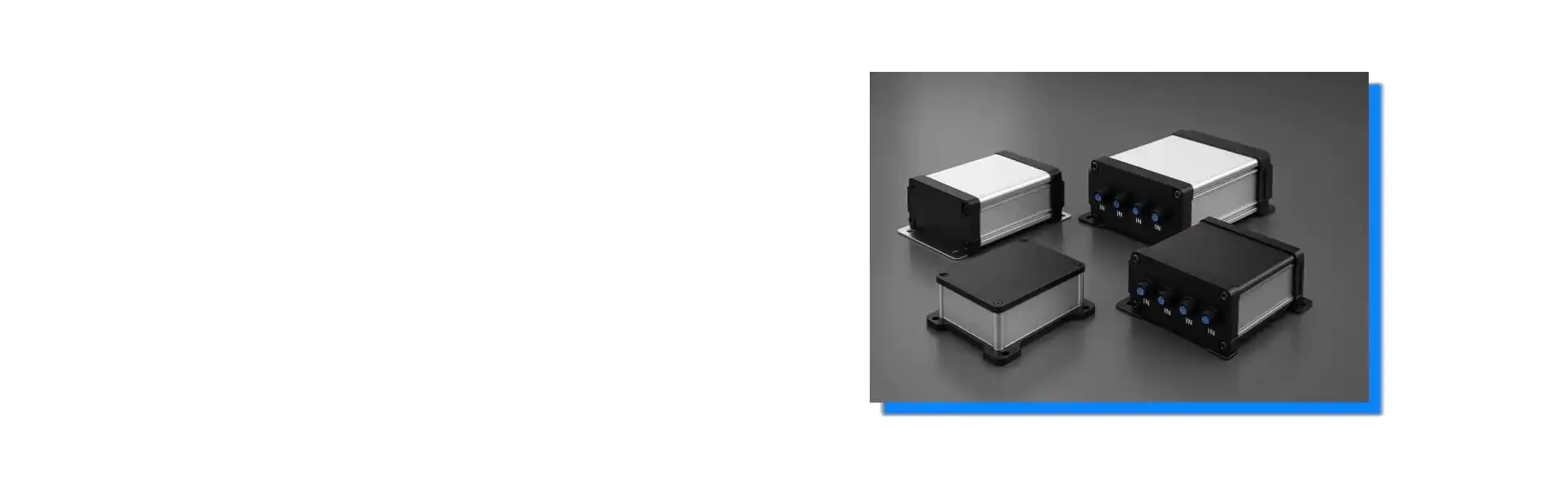
I often remind customers that IP protection is not only about the aluminum body. It is about the complete assembly. The end plates, gaskets, screws, cable glands, unused holes, surface flatness, and even the torque plan can change the result. The official IEC IP ratings guide explains how IP codes describe protection against solids and liquids. In production, the finished box must match the real test condition.
Heat also needs the same early attention. A sealed control module may hold a DC-DC converter, wireless module, power measurement board, or processor. If these parts float in the air, heat stays inside. If the hot part touches the aluminum wall through a pad, bracket, or mounting plate, the enclosure can move heat outward.
| Design Area | IP Question | Heat Question |
|---|---|---|
| End plate | Is gasket compression even? | Can the plate spread heat from PCB mounts? |
| Main body | Are screw channels stable? | Is wall thickness enough for conduction? |
| Cable gland | Is the gland rated for outdoor use? | Does cable routing block heat transfer? |
| PCB mount | Are standoffs away from seal areas? | Can hot parts contact aluminum safely? |
| Finish | Can it handle outdoor exposure? | Are thermal contact points controlled? |
For waterproof aluminum enclosures, I like to review connector height and cable bending before fixing the hole layout. A connector that fits the hole may still fail in assembly if the nut has no tool clearance. A cable gland may also create stress if it is too close to the wall, screw boss, or PCB connector.
The National Instruments enclosure guide notes that engineers should consider self-heating, airflow, cable management, and temperature when selecting an enclosure for hardware protection. Their enclosure selection reference is useful because it treats protection and thermal design as connected decisions. I see the same issue in EV charging modules. If Jeff defines IP67 first and thermal contact later, the first sample may need rework.
What CNC Machining Details Can Prevent EV Charging Enclosure Prototype Delays?
Prototype delays often come from missing small details. A wrong connector cutout can stop assembly. Clear CNC information keeps the project moving.
CNC machining delays can be reduced by providing 2D drawings, 3D STEP files, connector datasheets, tolerance notes, finish requirements, marking artwork, and assembly direction before production. Engineers should also mark which dimensions are critical.
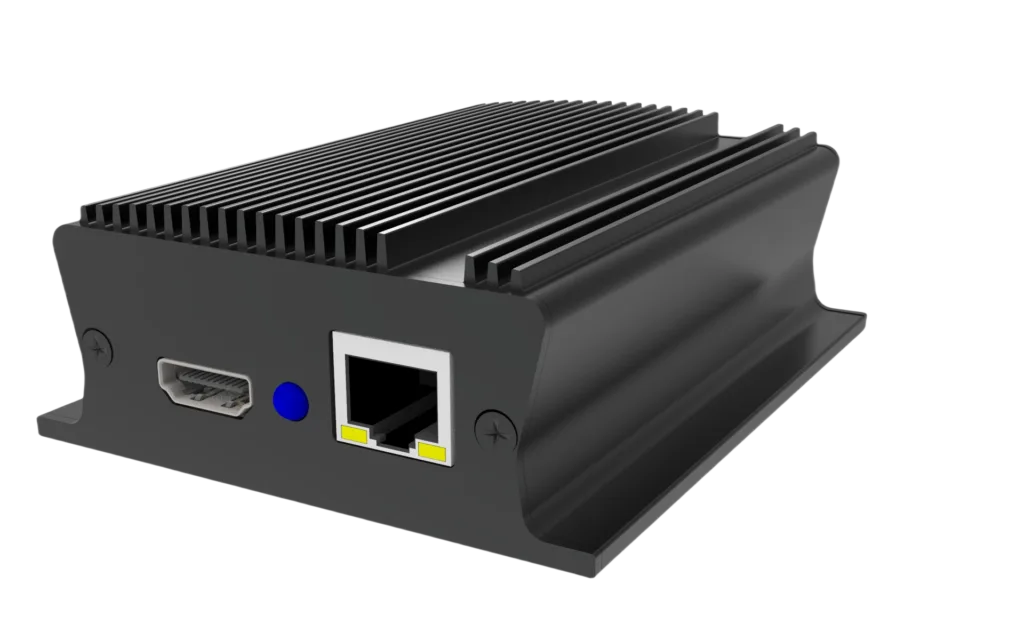
I Treat the End Plate as a Risk Map
For EV charging control modules, the end plate usually carries the most risk. It may need cable glands, waterproof connectors, LED windows, antenna ports, grounding points, vent holes, screws, and labels. If one hole is wrong, the whole sample can look finished but fail during assembly.
For CNC aluminum enclosure machining, I ask customers to send connector datasheets together with the drawing. The panel cutout in the datasheet is often more important than the connector photo. I also check nut clearance, washer diameter, sealing face width, and the distance from the hole edge to the gasket line.
| Required Detail | Why It Matters | Common Delay If Missing |
|---|---|---|
| STEP file | Confirms PCB and connector position | Supplier must rebuild geometry |
| 2D PDF drawing | Defines exact hole size and tolerance | Machining team may guess |
| Connector datasheet | Confirms panel cutout and thread | End plate may need remake |
| Gasket or IP target | Protects sealing surface | Hole layout may move late |
| Finish color | Controls anodizing schedule | Sample approval slows down |
| Marking file | Supports logo and port labels | Silk screen or laser file must be redrawn |
I also ask whether the project is one prototype, a small pilot run, or a future regular order. This affects process selection. If Jeff needs ten samples quickly, we may use standard extrusion and CNC end plates. If the project will become a high-volume outdoor charger module, we may discuss extrusion adjustment, fixture planning, and more detailed inspection rules.
UL Solutions lists many EV charging infrastructure standards and testing services, including EVSE safety and performance topics, on its EV charging infrastructure services page. I do not replace certification work. But I help customers prepare enclosure details so the mechanical sample does not become the weak point before formal testing.
Conclusion
An EV charging control module aluminum enclosure works best when IP protection, heat transfer, CNC details, finish, and lead time are planned together from prototype stage.