Edge AI Aluminum Enclosure Design: How Can Engineers Keep Compact Devices Serviceable?
Compact edge devices run hotter and change faster. A sealed box can trap every mistake. Good edge AI aluminum enclosure design keeps access, cooling, and protection planned early.
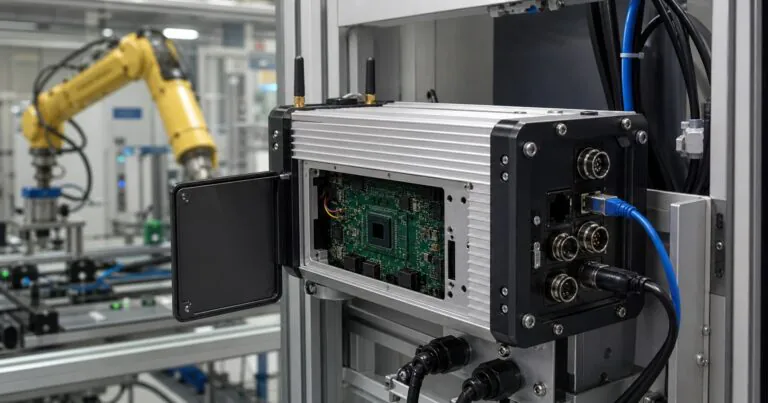
Edge AI aluminum enclosure design should support quick PCB access, controlled heat paths, reliable sealing, and repeatable CNC machining. Engineers should plan end plates, rails, connectors, thermal contact, and surface finish before prototype cutting.
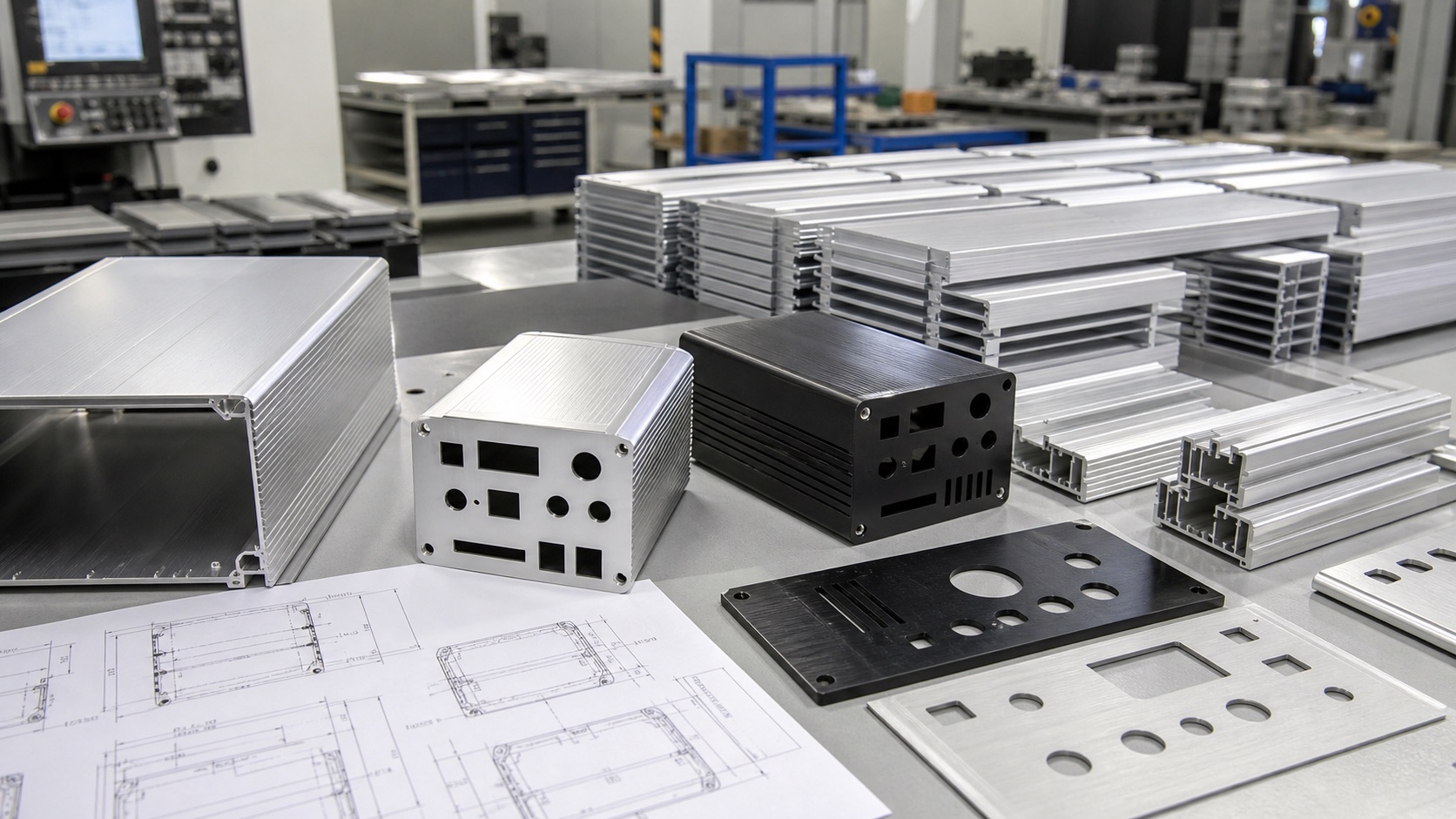
I see more engineers building small gateways, smart sensors, machine vision modules, and outdoor AI controllers. These products need more than a strong shell. They need an enclosure that can be opened, tested, changed, sealed again, and produced without delay. That is where a practical custom aluminum enclosure can save real project time.
Why Does Edge AI Aluminum Enclosure Design Need Early Service Access Planning?
Engineers often focus on board size first. Then service access becomes painful. A removable end plate, clear slide path, and planned screw layout solve this.
Edge AI aluminum enclosure design needs early service access planning because compact devices often need firmware work, sensor replacement, connector changes, and heat-pad adjustment during prototype and field testing.
How I Plan Access Before Cutting Metal
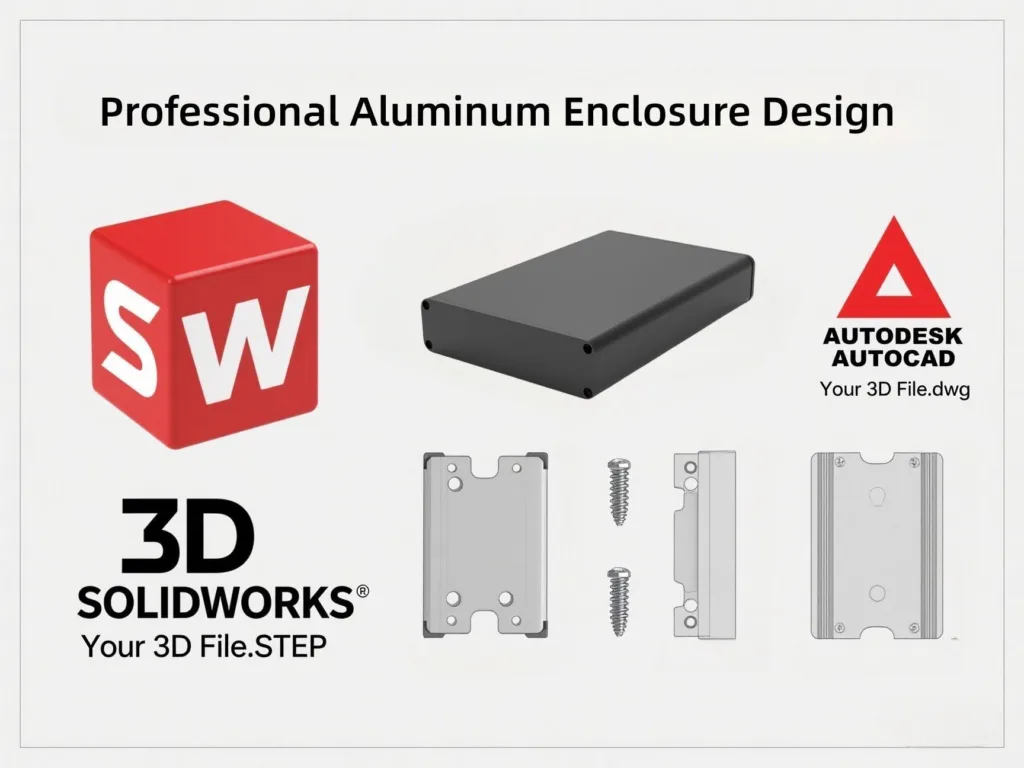
When Jeff sends me a 3D model, I do not only check the outer size. I check how the PCB enters the housing, where the cables bend, and whether a technician can remove the board without pulling every connector. This sounds simple, but it prevents many small delays.
For edge AI devices, service access matters because these products often change during testing. A camera module may move. A heat pad may need a new thickness. A customer may ask for a different antenna or M12 connector. If the enclosure only opens from one blocked side, every change becomes slow.
An extruded aluminum body is helpful here because it can use PCB slots, sliding rails, and CNC machined end plates. At PUMAYCASE, I often suggest keeping the main extrusion stable and changing the end plates during early prototypes. This gives the engineer freedom without remaking the whole housing. Our custom aluminum enclosure solutions are useful when the team needs this balance between standard structure and custom detail.
| Design Point | Common Mistake | Better Choice |
|---|---|---|
| PCB removal | Board trapped behind connector nuts | Use removable end plates and enough pull space |
| Screw position | Screws conflict with PCB corners | Reserve screw zones in the first layout |
| Internal rails | Rails ignored until sample stage | Match rail height to PCB and components |
| Label area | Logo and warning text added late | Keep flat anodized marking zones |
| Field service | Gasket damaged during repeated opening | Use a clear gasket groove and controlled compression |
Good service access also supports cybersecurity and maintenance. The NIST Cybersecurity for IoT Program discusses IoT products across pre-market and post-market stages. From an enclosure view, this means the housing should not make updates, inspection, or controlled service harder than needed.
How Can CNC Machining Support Fast Prototype Changes?
Prototype changes are normal, but late metal changes cost time. CNC machined panels help engineers test connectors, displays, and mounting holes quickly.
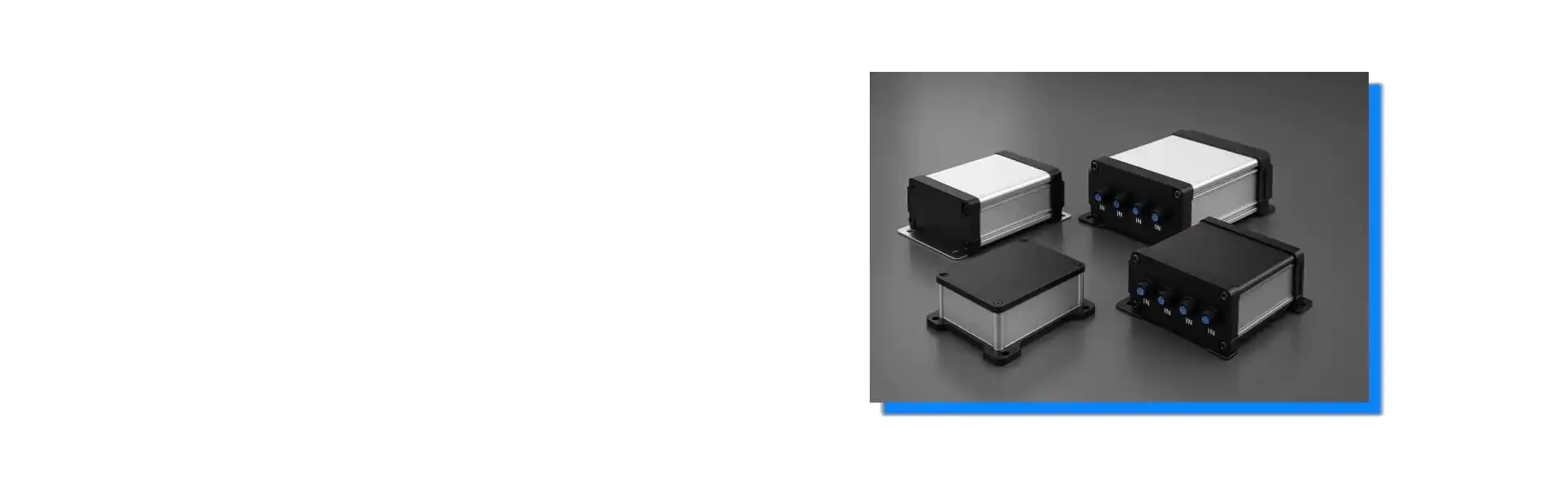
CNC machining supports fast prototype changes by allowing revised cutouts, slots, countersinks, and threaded holes on aluminum end plates without changing the whole extrusion or enclosure body.
What I Ask Before CNC Programming
I always ask for connector datasheets, 2D drawings, and the real mounting direction before machining. A STEP file is useful, but it does not always show nut clearance, washer size, or cable bend radius. When the product is an edge AI gateway, the connector list can be crowded: Ethernet, USB-C, antenna, DC input, GPIO, SIM card, and sometimes HDMI or camera ports.
CNC machining is powerful because it gives engineers room to adjust. But the drawing still needs discipline. I prefer to define the datum edge, hole tolerance, panel thickness, finish, and thread depth before production. If the engineer only sends a screenshot, the first sample may still fit poorly.
For small batches, I often recommend machining the end plates first and keeping the extrusion unchanged. This helps the team test different connector layouts with lower risk. Our CNC aluminum enclosure machining support can include cutouts, countersinks, tapping, silk screen printing, and laser marking, so Jeff does not need to coordinate many suppliers.
| CNC Detail | Why It Matters | Practical Note |
|---|---|---|
| Datum control | Keeps hole positions repeatable | Use one clear reference edge |
| Connector clearance | Avoids assembly interference | Check nut, washer, and cable bend |
| Countersink depth | Keeps screw heads flush | Match screw standard before machining |
| Thread depth | Prevents weak fastening | Confirm screw length and material thickness |
| Anodizing allowance | Protects fit after finishing | Avoid too-tight decorative cutouts |
I also remind customers that anodizing changes the surface condition. The Aluminum Association standards resources are useful for understanding aluminum industry references, but the project drawing still needs exact alloy, finish, and tolerance notes. A beautiful black anodized panel is not enough if the connector hole is 0.3 mm too small after finishing.
How Should Engineers Balance IP Rating, Heat Dissipation, and Assembly Lead Time?
A sealed compact enclosure can protect the device and overheat it. If the design waits until testing, the schedule suffers. Plan sealing and heat paths together.
Engineers should balance IP rating, heat dissipation, and lead time by choosing the right gasket structure, aluminum wall contact, connector sealing method, and prototype test plan early.
Why Sealing And Heat Must Work Together
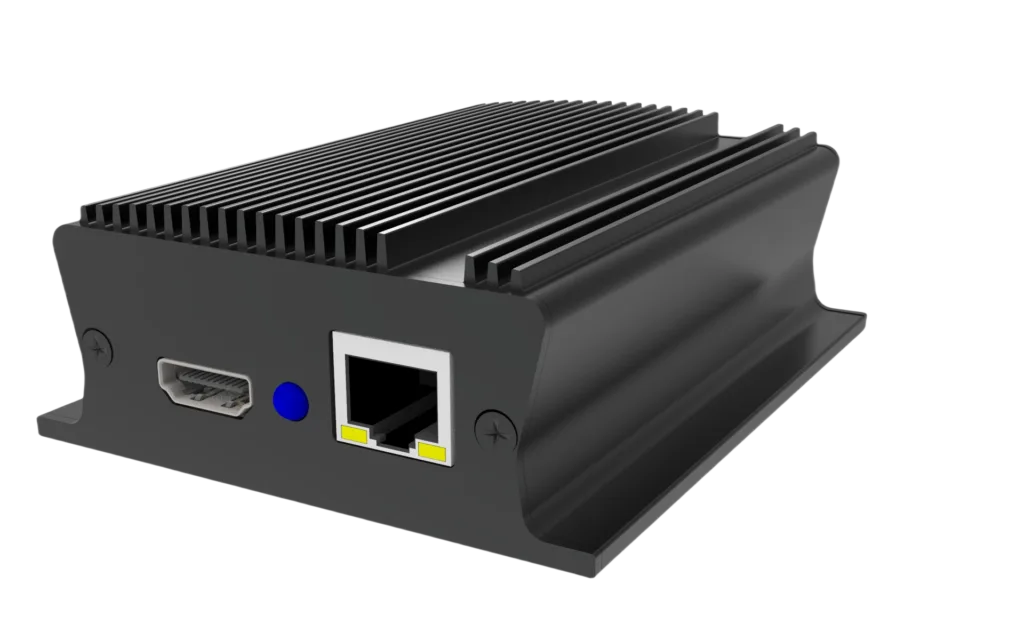
Many edge AI modules use stronger processors than older sensor boxes. They may need thermal pads, internal heat spreaders, or direct contact with the aluminum shell. Aluminum is useful because it can act as both the structure and a heat path. But the enclosure cannot cool well if the hot component floats in air with no stable contact.
The waterproof side needs the same attention. If Jeff needs IP67 or IP68 protection, the enclosure needs controlled gasket compression, suitable screws, flat sealing surfaces, and sealed connectors. The IEC describes IP Code classification in IEC 60529, but passing a real test depends on the full assembly, not only the housing material.
This is why I prefer to discuss heat and sealing together. A thick gasket may protect water ingress, but it may change panel pressure. A thermal pad may need compression, but that compression can bend a thin cover. A vent may help pressure balance, but it needs location planning and supplier confirmation.
| Requirement | Risk If Ignored | Enclosure Design Action |
|---|---|---|
| IP67 or IP68 sealing | Water enters around end plate or connector | Use gasket groove, flat surface, sealed connectors |
| Heat dissipation | Processor throttles or fails early | Create a direct thermal path to aluminum body |
| EMC control | Noise leaks through gaps or coating | Plan grounding points and conductive contact areas |
| Lead time | Prototype waits for too many vendors | Combine extrusion, CNC, finish, and marking |
| Small-batch build | Sample works but batch varies | Define drawings, tolerances, and inspection points |
For waterproof aluminum enclosures, I also check how many times the customer will open the unit. A laboratory prototype may open ten times in one week. A field device may only open during service. These two cases need different gasket thinking. If the gasket is easy to damage, the product may pass one test and fail later.
Lead time is part of engineering, not only purchasing. If the design uses a standard extrusion, CNC machined end plates, and a common anodized finish, the project usually moves faster. If every surface needs a new mold, a special coating, and unclear markings, the schedule becomes fragile.
Conclusion
Good edge AI aluminum enclosure design keeps compact devices serviceable, cool, sealed, and easier to customize from prototype to small-batch production.