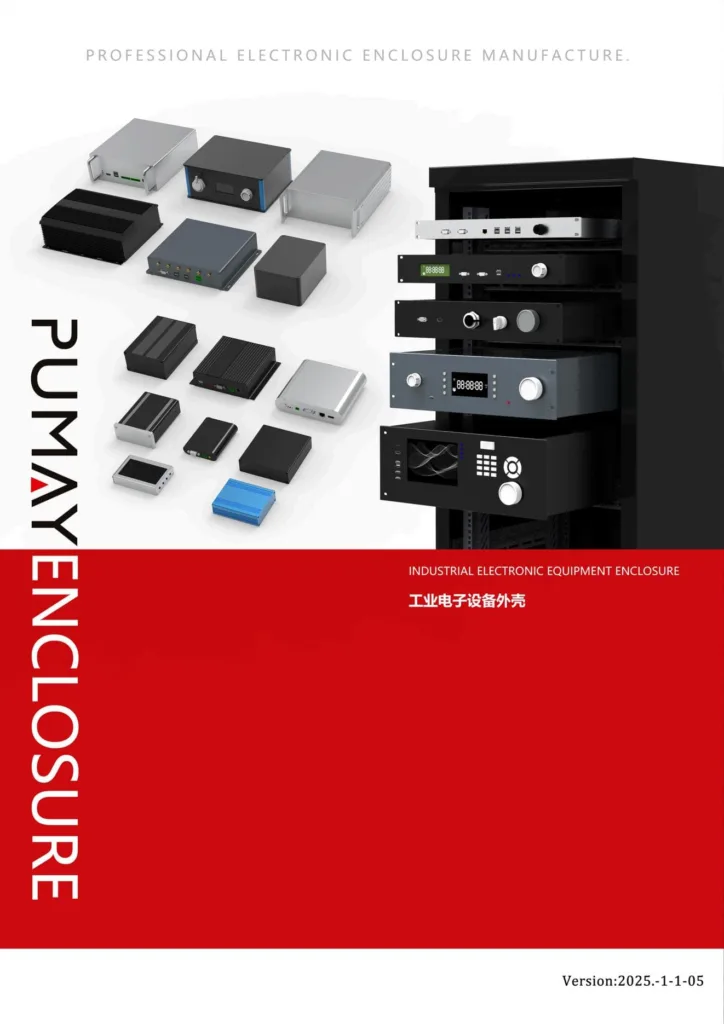
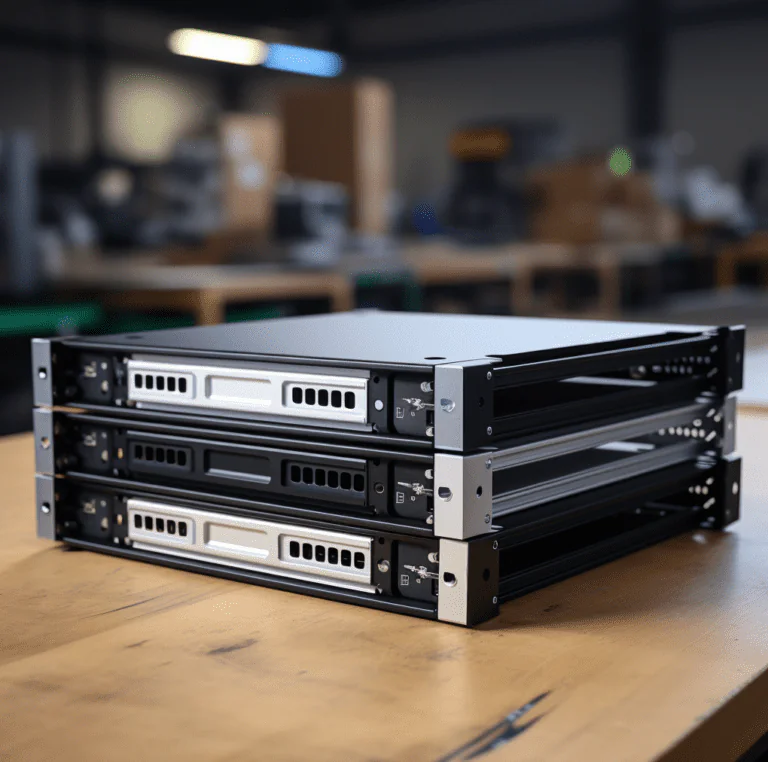
Why Are Aluminum Enclosures Still Ideal for Industrial Automation Devices?
Engineers often focus on PCB layout first. But enclosure risk can delay testing, shipping, and launch. I use a simple review flow to reduce that risk.
For industrial automation aluminum enclosure, buyers should check structure, machining, surface finish, protection level, and supplier communication before ordering. This is especially important for smart factories, edge controllers, and dense control cabinets.
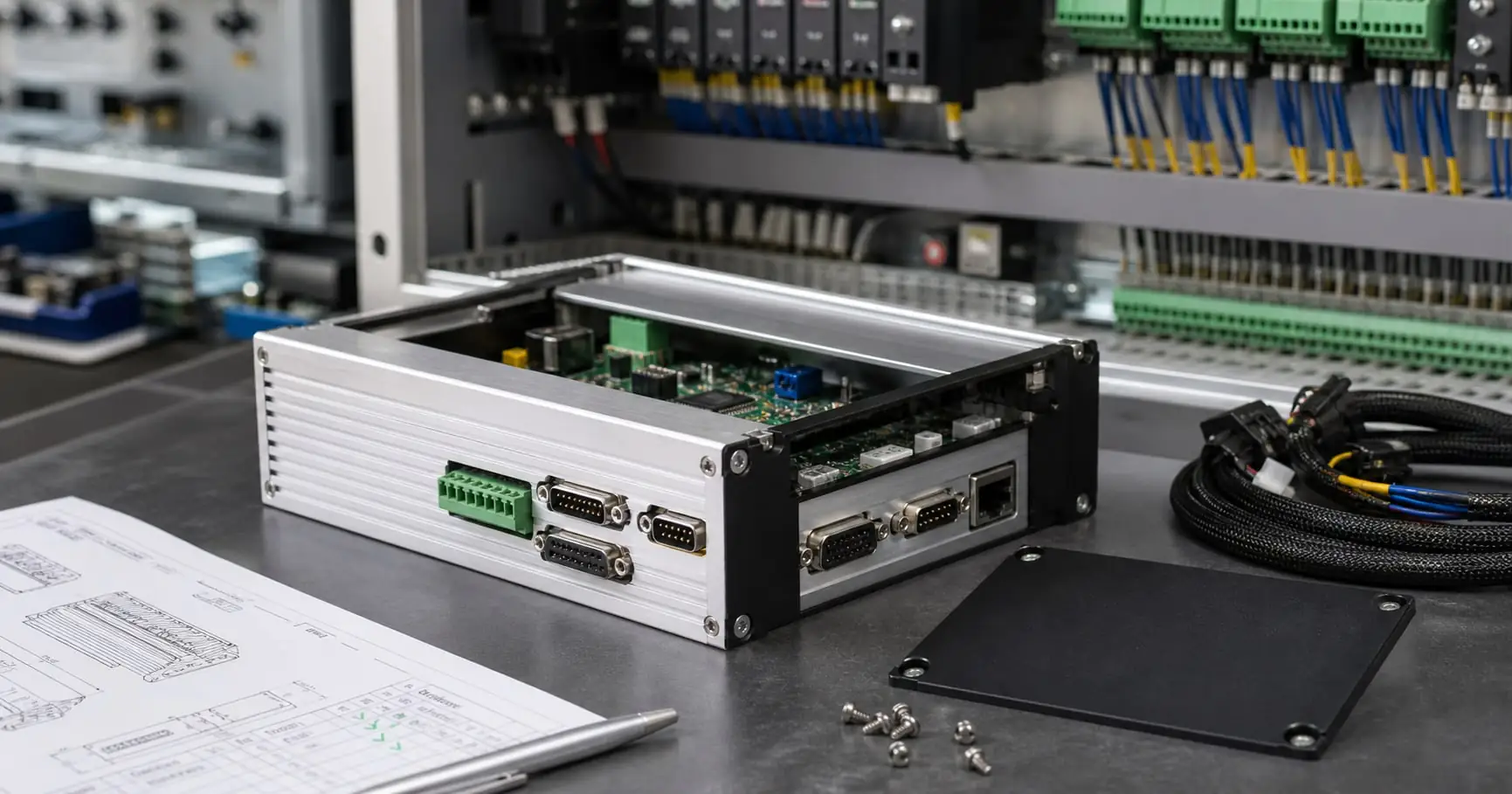
Table of contents
- What problem should engineers solve first?
- Which enclosure details affect production risk?
- How should buyers prepare the RFQ package?
- Engineering Review Checklist
- Technical Notes and References
What problem should engineers solve first?
A weak enclosure decision creates late changes. Late changes affect PCB position, connector fit, gasket pressure, and delivery. I start with the real use environment.
Engineers should define installation position, heat source, cable direction, sealing target, and service method before choosing or customizing an aluminum enclosure.
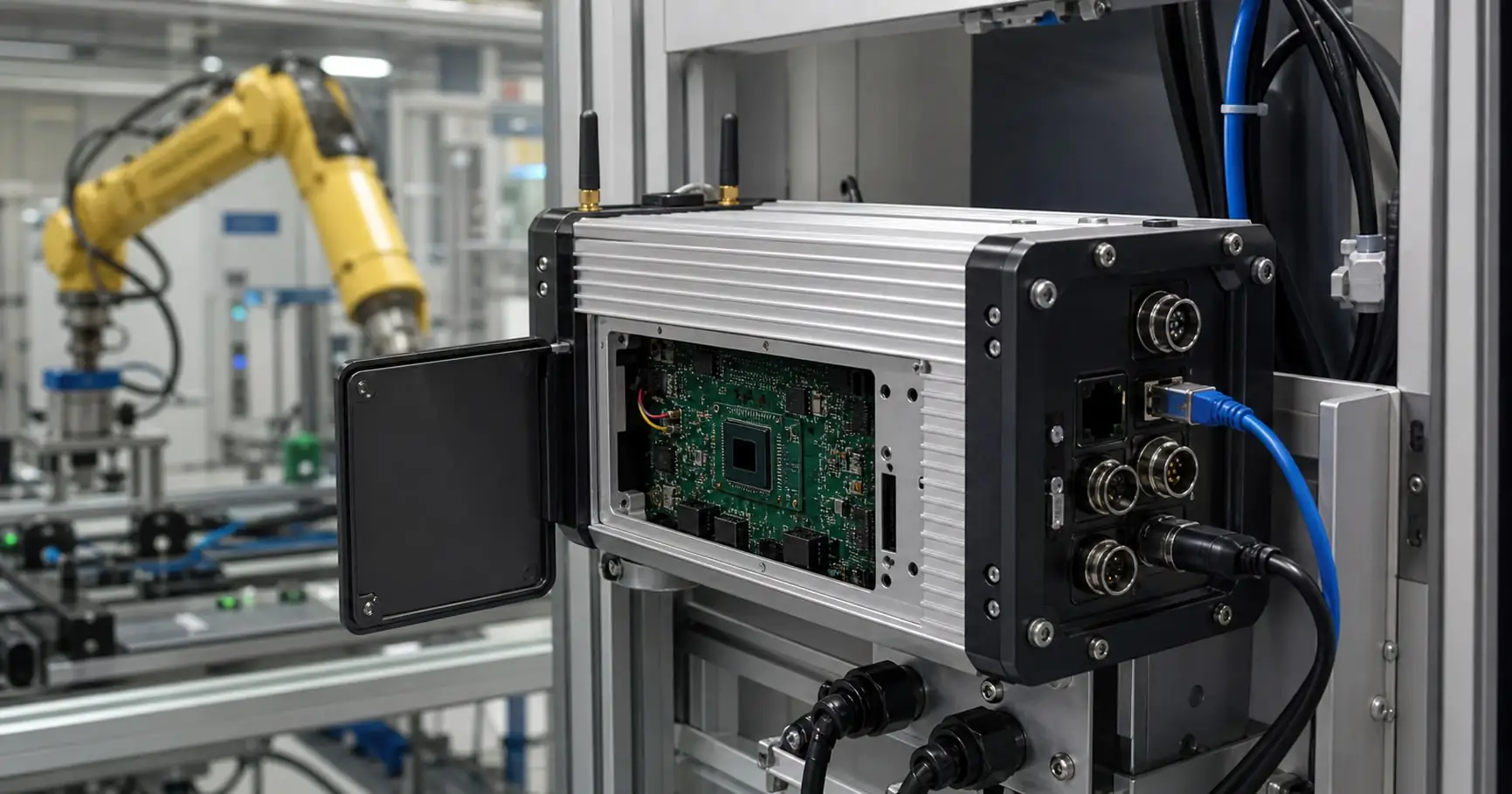
In my daily work at PUMAYCASE, I see one common pattern. A team sends a PCB drawing and asks for a fast enclosure quote. The PCB usually looks clear. But the real use condition is still missing. I need to know whether the device will sit inside a cabinet, hang on a wall, work outdoors, or travel in a vehicle. These details change the enclosure structure.
For PLC modules, sensor controllers, and IoT gateways, the first risk is not always the aluminum profile. The first risk is the mismatch between the product idea and the field condition. A simple indoor case may not need a high IP rating. But an outdoor or mobile device may need gasket sealing, waterproof connectors, stable screw compression, and a stronger surface finish. A compact device may also need heat transfer through the enclosure wall.
First design filter
| Question | Why it matters | What I ask Jeff to prepare |
|---|---|---|
| Where will the device work? | It affects IP rating and surface finish. | Indoor, outdoor, cabinet, vehicle, or portable use. |
| How much heat is inside? | It affects wall thickness and contact area. | Main heat source, power level, and expected temperature. |
| Which cables enter the case? | It affects CNC holes and sealing. | Connector models, cable direction, and gland size. |
| How fast is the prototype needed? | It affects the best manufacturing route. | Target sample date and expected batch size. |
PUMAYCASE can start from custom aluminum enclosure solutions and then adjust the profile, end plates, holes, color, marking, and assembly method. This saves time when the project needs speed but still needs technical control.
Which enclosure details affect production risk?
Small enclosure details can create large production problems. If machining, sealing, and finish are reviewed late, the supplier may quote fast but deliver slowly.
The highest-risk details are connector cutouts, gasket compression, screw bosses, tolerance stack-up, anodizing requirements, grounding points, and packing protection.
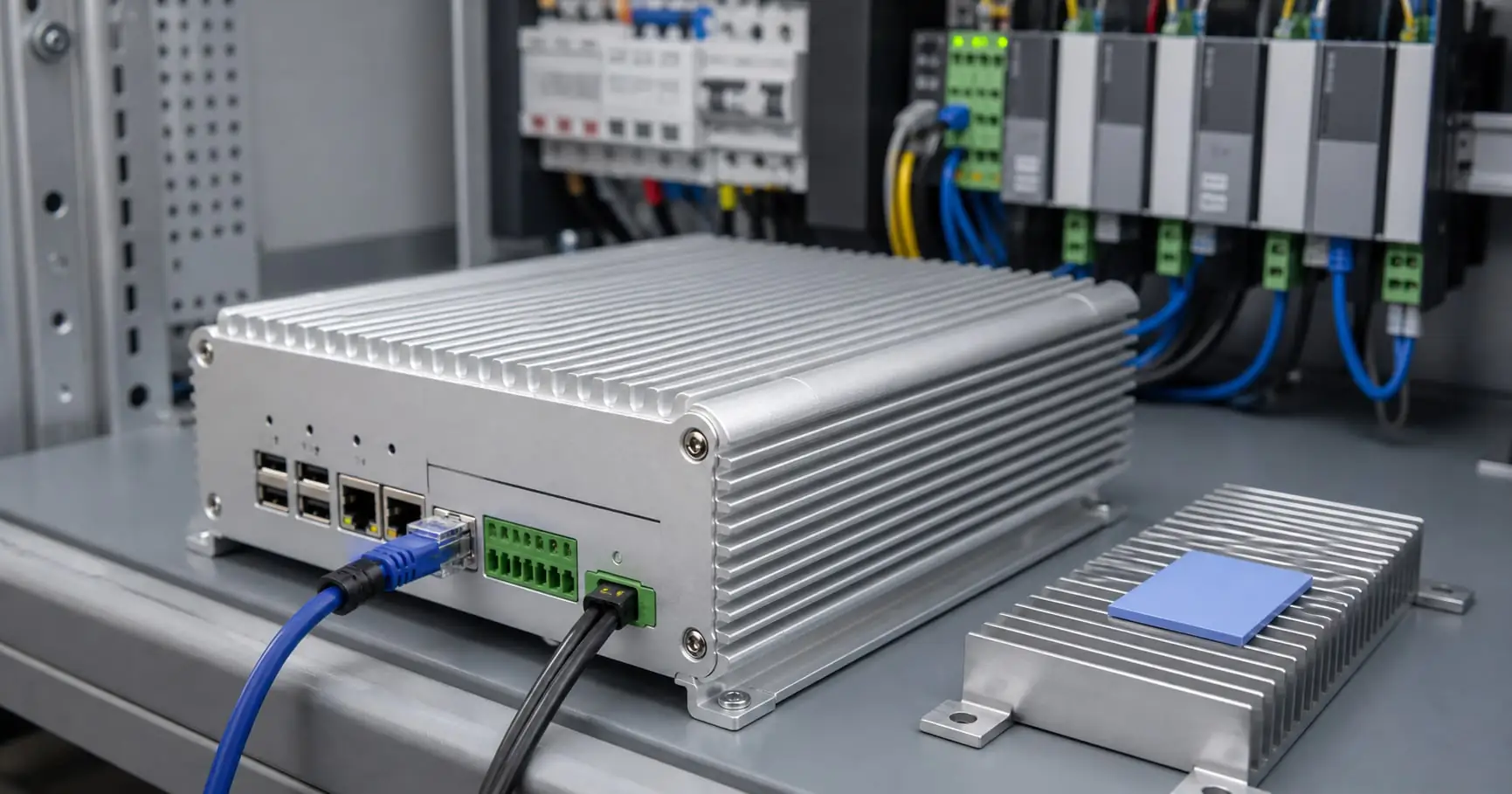
A good enclosure drawing should help the factory make the part and help the engineer check the part. I prefer clear 2D drawings for holes and tolerances, plus 3D files for assembly review. If the drawing only shows appearance, the supplier may miss the real control points.
For industrial automation aluminum enclosure, I pay special attention to DIN rail mounting, cable access, EMC, heat dissipation, and repeat assembly. These points look small on a drawing. But they affect assembly yield and customer confidence. For example, a connector hole may pass size inspection but still fail assembly because the nut clearance is too small. A gasket groove may look correct but fail after anodizing because the surface or groove tolerance changed. A label may look fine in PDF but become too small after laser marking on a black anodized panel.
Production risk map
| Detail | Common failure | Better practice |
|---|---|---|
| CNC cutouts | Connector cannot fit or rotate. | Check connector datasheet and nut clearance. |
| End plate sealing | Water enters from uneven pressure. | Review gasket groove, screw spacing, and torque path. |
| Anodizing | Color mismatch or poor scratch resistance. | Define finish, color, gloss, and cosmetic surface. |
| Grounding | EMC performance is unstable. | Keep a conductive contact area where needed. |
| Packing | Surface damage during shipment. | Use film, foam, carton, and pallet rules. |
For waterproof work, engineers can use the IEC overview of IP code principles as a reference. For aluminum material discussion, I often compare alloy and temper choices with standard material data such as MatWeb aluminum property references.
How should buyers prepare the RFQ package?
An unclear RFQ creates back-and-forth messages. This wastes engineering time and may push the sample date. A complete RFQ makes customization faster.
A strong enclosure RFQ should include 2D drawings, 3D files, PCB size, connector data, finish requirement, IP target, quantity, and required lead time.
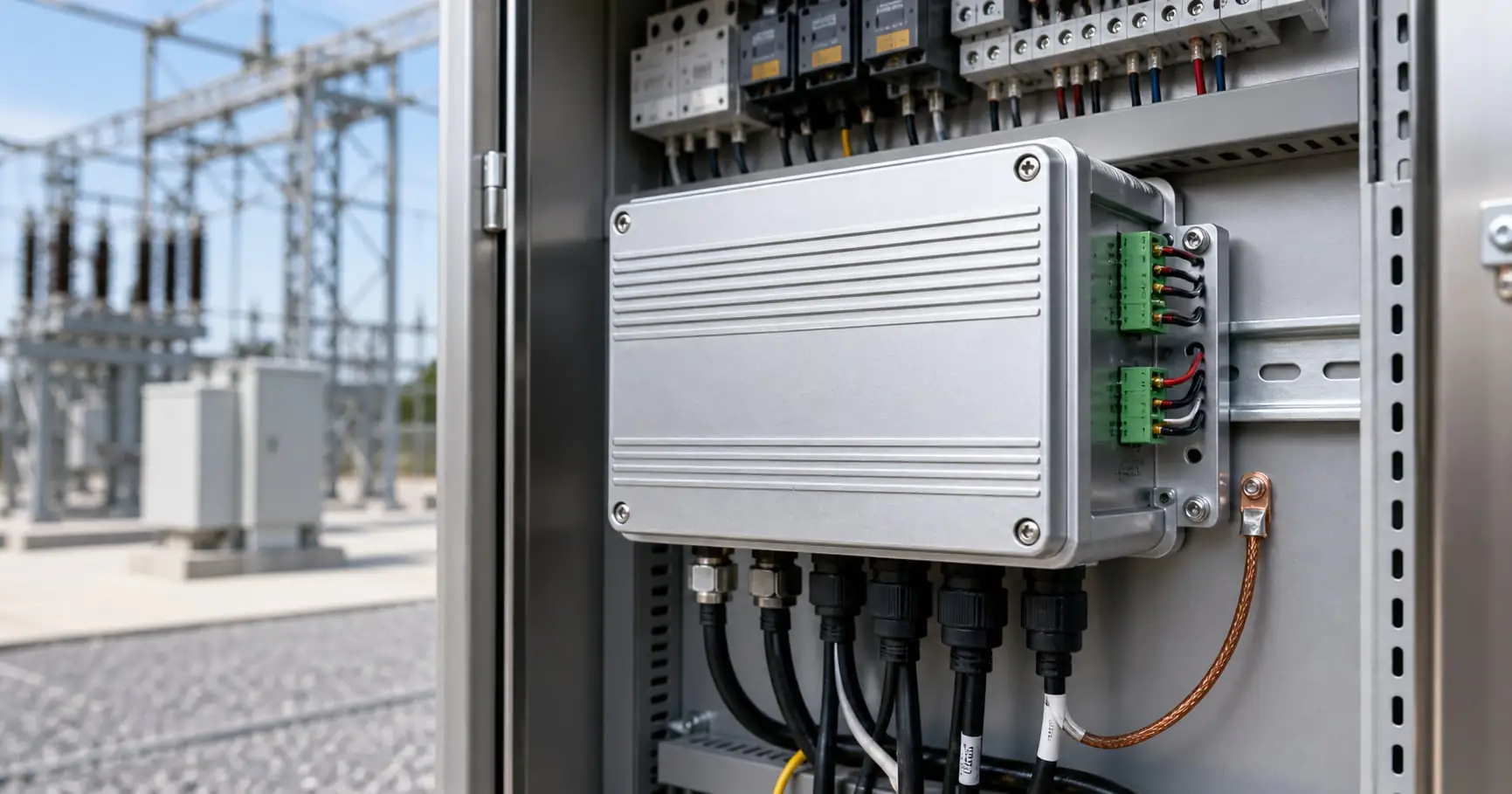
When Jeff sends me a project, I do not only check the outside size. I check whether the enclosure can be made, assembled, finished, packed, and repeated. This is why clear RFQ data matters. If the first message includes all key files, we can usually give engineering feedback within 24 hours. If the files are incomplete, the quotation may look fast but the real project will slow down later.
For prototype and small-batch work, I suggest starting with standard extrusion when possible. Then we machine the end plates, side walls, or internal details by CNC. This keeps cost under control and still allows connector holes, countersinks, threaded holes, display windows, logos, and surface finish. If the project needs special waterproof or EMC performance, we should review those needs before the first sample.
RFQ file checklist
| File or data | Minimum requirement | Why I need it |
|---|---|---|
| 3D file | STEP format preferred. | I check fit, interference, and machining access. |
| 2D drawing | Hole size, tolerance, and surface notes. | The factory uses it for inspection. |
| PCB layout | Board size and key component height. | It controls internal clearance and mounting. |
| Connector datasheet | Thread, nut, washer, and cable direction. | It prevents panel assembly problems. |
| Finish note | Anodizing color, brushing, printing, marking. | It prevents appearance and durability disputes. |
| Quantity and date | Prototype and batch forecast. | It helps me choose the right process route. |
If the project needs machining support, our CNC aluminum enclosure machining service can combine drilling, milling, tapping, countersinking, anodizing, silk screen printing, laser marking, and assembly review in one supplier workflow.
Engineering Review Checklist
Many indexing problems come from thin content and weak usefulness. A practical checklist helps engineers act faster. I add this section for real buyer decisions.
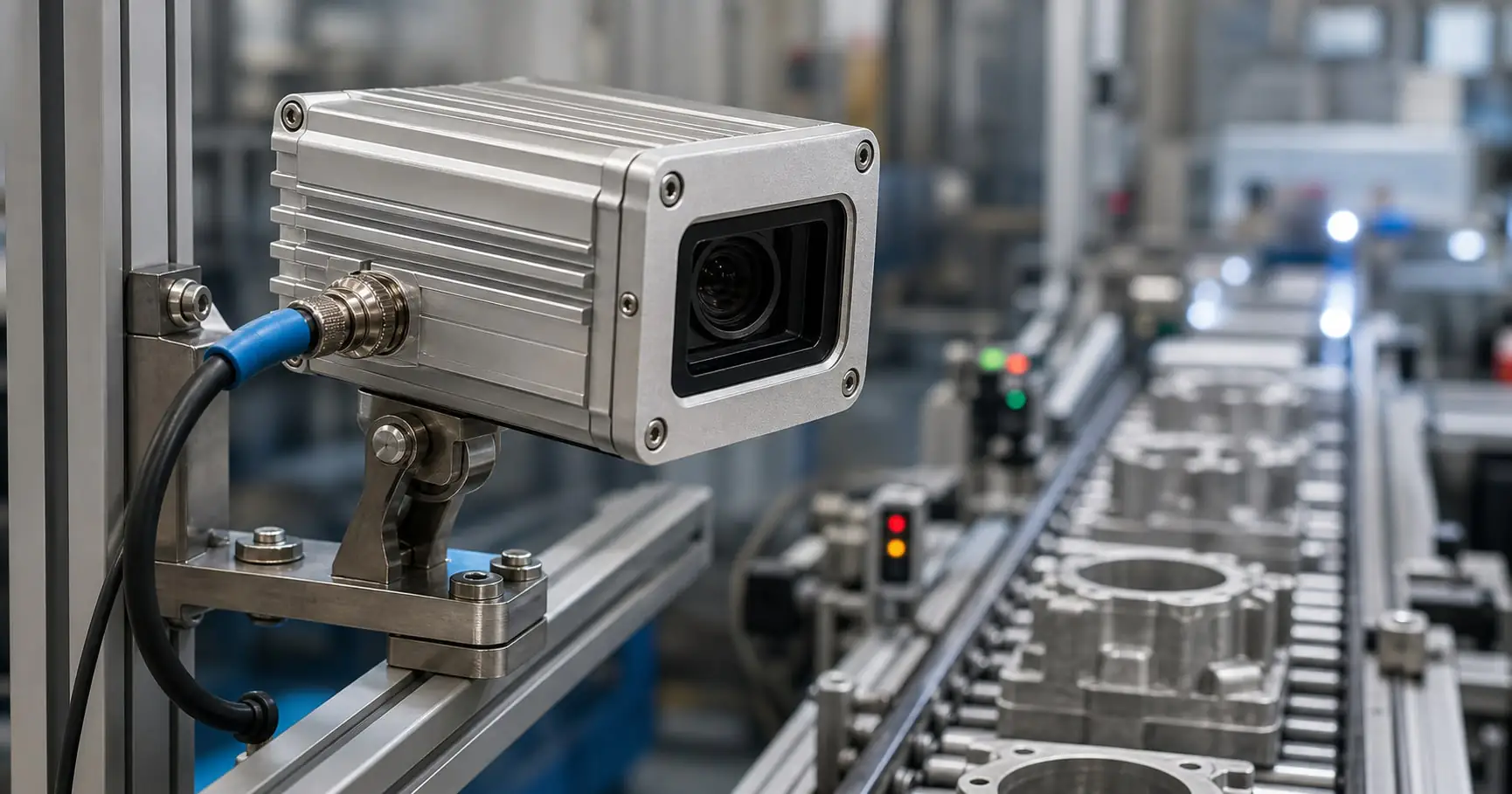
Use this checklist before sending the enclosure drawing to any supplier. It helps reduce tolerance mismatch, unclear quotation, and late prototype rework.
| Review item | Confirmed? | Notes for supplier |
|---|---|---|
| Installation environment is clear | Indoor, outdoor, cabinet, mobile, or handheld. | |
| IP target is defined | IP54, IP65, IP67, or IP68 if needed. | |
| Heat source is identified | Power component, PCB hotspot, or RF module. | |
| CNC features are dimensioned | Holes, slots, countersinks, threads, windows. | |
| Surface finish is specified | Natural, black, color anodizing, brushed, printed. | |
| Assembly sequence is checked | PCB mounting, connector nuts, gasket, screws. | |
| Packaging needs are clear | Film, foam, carton, pallet, export label. |
Technical Notes and References
Technical claims need support. But buyers also need supplier experience. I combine public references with practical enclosure manufacturing notes here.
These notes support decisions on IP protection, CNC manufacturing, aluminum material, EMC, and shipping preparation for industrial electronics enclosures.
- IEC explains the basic meaning of ingress protection codes in its IP ratings reference.
- NIST provides useful background on smart manufacturing systems, which helps explain why compact industrial electronics need reliable enclosures.
- The U.S. Bureau of Industry and Security publishes official export control guidance, which buyers can review when products include controlled electronics or instrumentation features.
- For practical enclosure procurement, I suggest linking drawings, connector datasheets, finish requirements, and target lead time in one RFQ email.
PUMAYCASE supports waterproof aluminum enclosures, extruded aluminum enclosures, CNC machining, anodizing, laser marking, silk screen printing, and small-batch assembly support. I can review drawings and give practical feedback before the enclosure design becomes expensive to change.
Conclusion
A stronger industrial automation aluminum enclosure article should help engineers make decisions, not only read keywords. This upgrade gives buyers clearer checks before RFQ and production.
Why Are Aluminum Enclosures Still Ideal for Industrial Automation Devices?
Engineers often focus on PCB layout first. But enclosure risk can delay testing, shipping, and launch. I use a simple review flow to reduce that risk.
For industrial automation aluminum enclosure, buyers should check structure, machining, surface finish, protection level, and supplier communication before ordering. This is especially important for smart factories, edge controllers, and dense control cabinets.
Table of contents
- What problem should engineers solve first?
- Which enclosure details affect production risk?
- How should buyers prepare the RFQ package?
- Engineering Review Checklist
- Technical Notes and References
What problem should engineers solve first?
A weak enclosure decision creates late changes. Late changes affect PCB position, connector fit, gasket pressure, and delivery. I start with the real use environment.
Engineers should define installation position, heat source, cable direction, sealing target, and service method before choosing or customizing an aluminum enclosure.
In my daily work at PUMAYCASE, I see one common pattern. A team sends a PCB drawing and asks for a fast enclosure quote. The PCB usually looks clear. But the real use condition is still missing. I need to know whether the device will sit inside a cabinet, hang on a wall, work outdoors, or travel in a vehicle. These details change the enclosure structure.
For PLC modules, sensor controllers, and IoT gateways, the first risk is not always the aluminum profile. The first risk is the mismatch between the product idea and the field condition. A simple indoor case may not need a high IP rating. But an outdoor or mobile device may need gasket sealing, waterproof connectors, stable screw compression, and a stronger surface finish. A compact device may also need heat transfer through the enclosure wall.
First design filter
| Question | Why it matters | What I ask Jeff to prepare |
|---|---|---|
| Where will the device work? | It affects IP rating and surface finish. | Indoor, outdoor, cabinet, vehicle, or portable use. |
| How much heat is inside? | It affects wall thickness and contact area. | Main heat source, power level, and expected temperature. |
| Which cables enter the case? | It affects CNC holes and sealing. | Connector models, cable direction, and gland size. |
| How fast is the prototype needed? | It affects the best manufacturing route. | Target sample date and expected batch size. |
PUMAYCASE can start from custom aluminum enclosure solutions and then adjust the profile, end plates, holes, color, marking, and assembly method. This saves time when the project needs speed but still needs technical control.
Which enclosure details affect production risk?
Small enclosure details can create large production problems. If machining, sealing, and finish are reviewed late, the supplier may quote fast but deliver slowly.
The highest-risk details are connector cutouts, gasket compression, screw bosses, tolerance stack-up, anodizing requirements, grounding points, and packing protection.
A good enclosure drawing should help the factory make the part and help the engineer check the part. I prefer clear 2D drawings for holes and tolerances, plus 3D files for assembly review. If the drawing only shows appearance, the supplier may miss the real control points.
For industrial automation aluminum enclosure, I pay special attention to DIN rail mounting, cable access, EMC, heat dissipation, and repeat assembly. These points look small on a drawing. But they affect assembly yield and customer confidence. For example, a connector hole may pass size inspection but still fail assembly because the nut clearance is too small. A gasket groove may look correct but fail after anodizing because the surface or groove tolerance changed. A label may look fine in PDF but become too small after laser marking on a black anodized panel.
Production risk map
| Detail | Common failure | Better practice |
|---|---|---|
| CNC cutouts | Connector cannot fit or rotate. | Check connector datasheet and nut clearance. |
| End plate sealing | Water enters from uneven pressure. | Review gasket groove, screw spacing, and torque path. |
| Anodizing | Color mismatch or poor scratch resistance. | Define finish, color, gloss, and cosmetic surface. |
| Grounding | EMC performance is unstable. | Keep a conductive contact area where needed. |
| Packing | Surface damage during shipment. | Use film, foam, carton, and pallet rules. |
For waterproof work, engineers can use the IEC overview of IP code principles as a reference. For aluminum material discussion, I often compare alloy and temper choices with standard material data such as MatWeb aluminum property references.
How should buyers prepare the RFQ package?
An unclear RFQ creates back-and-forth messages. This wastes engineering time and may push the sample date. A complete RFQ makes customization faster.
A strong enclosure RFQ should include 2D drawings, 3D files, PCB size, connector data, finish requirement, IP target, quantity, and required lead time.
When Jeff sends me a project, I do not only check the outside size. I check whether the enclosure can be made, assembled, finished, packed, and repeated. This is why clear RFQ data matters. If the first message includes all key files, we can usually give engineering feedback within 24 hours. If the files are incomplete, the quotation may look fast but the real project will slow down later.
For prototype and small-batch work, I suggest starting with standard extrusion when possible. Then we machine the end plates, side walls, or internal details by CNC. This keeps cost under control and still allows connector holes, countersinks, threaded holes, display windows, logos, and surface finish. If the project needs special waterproof or EMC performance, we should review those needs before the first sample.
RFQ file checklist
| File or data | Minimum requirement | Why I need it |
|---|---|---|
| 3D file | STEP format preferred. | I check fit, interference, and machining access. |
| 2D drawing | Hole size, tolerance, and surface notes. | The factory uses it for inspection. |
| PCB layout | Board size and key component height. | It controls internal clearance and mounting. |
| Connector datasheet | Thread, nut, washer, and cable direction. | It prevents panel assembly problems. |
| Finish note | Anodizing color, brushing, printing, marking. | It prevents appearance and durability disputes. |
| Quantity and date | Prototype and batch forecast. | It helps me choose the right process route. |
If the project needs machining support, our CNC aluminum enclosure machining service can combine drilling, milling, tapping, countersinking, anodizing, silk screen printing, laser marking, and assembly review in one supplier workflow.
Engineering Review Checklist
Many indexing problems come from thin content and weak usefulness. A practical checklist helps engineers act faster. I add this section for real buyer decisions.
Use this checklist before sending the enclosure drawing to any supplier. It helps reduce tolerance mismatch, unclear quotation, and late prototype rework.
| Review item | Confirmed? | Notes for supplier |
|---|---|---|
| Installation environment is clear | Indoor, outdoor, cabinet, mobile, or handheld. | |
| IP target is defined | IP54, IP65, IP67, or IP68 if needed. | |
| Heat source is identified | Power component, PCB hotspot, or RF module. | |
| CNC features are dimensioned | Holes, slots, countersinks, threads, windows. | |
| Surface finish is specified | Natural, black, color anodizing, brushed, printed. | |
| Assembly sequence is checked | PCB mounting, connector nuts, gasket, screws. | |
| Packaging needs are clear | Film, foam, carton, pallet, export label. |
Technical Notes and References
Technical claims need support. But buyers also need supplier experience. I combine public references with practical enclosure manufacturing notes here.
These notes support decisions on IP protection, CNC manufacturing, aluminum material, EMC, and shipping preparation for industrial electronics enclosures.
- IEC explains the basic meaning of ingress protection codes in its IP ratings reference.
- NIST provides useful background on smart manufacturing systems, which helps explain why compact industrial electronics need reliable enclosures.
- The U.S. Bureau of Industry and Security publishes official export control guidance, which buyers can review when products include controlled electronics or instrumentation features.
- For practical enclosure procurement, I suggest linking drawings, connector datasheets, finish requirements, and target lead time in one RFQ email.
PUMAYCASE supports waterproof aluminum enclosures, extruded aluminum enclosures, CNC machining, anodizing, laser marking, silk screen printing, and small-batch assembly support. I can review drawings and give practical feedback before the enclosure design becomes expensive to change.
Conclusion
A stronger industrial automation aluminum enclosure article should help engineers make decisions, not only read keywords. This upgrade gives buyers clearer checks before RFQ and production.
Why Are Aluminum Enclosures Still Ideal for Industrial Automation Devices?
Engineers often focus on PCB layout first. But enclosure risk can delay testing, shipping, and launch. I use a simple review flow to reduce that risk.
For industrial automation aluminum enclosure, buyers should check structure, machining, surface finish, protection level, and supplier communication before ordering. This is especially important for smart factories, edge controllers, and dense control cabinets.
%industrial automation aluminum enclosure for PLC modules, sensor controllers, and IoT gateways
Table of contents
- What problem should engineers solve first?
- Which enclosure details affect production risk?
- How should buyers prepare the RFQ package?
- Engineering Review Checklist
- Technical Notes and References
What problem should engineers solve first?
A weak enclosure decision creates late changes. Late changes affect PCB position, connector fit, gasket pressure, and delivery. I start with the real use environment.
Engineers should define installation position, heat source, cable direction, sealing target, and service method before choosing or customizing an aluminum enclosure.
In my daily work at PUMAYCASE, I see one common pattern. A team sends a PCB drawing and asks for a fast enclosure quote. The PCB usually looks clear. But the real use condition is still missing. I need to know whether the device will sit inside a cabinet, hang on a wall, work outdoors, or travel in a vehicle. These details change the enclosure structure.
For PLC modules, sensor controllers, and IoT gateways, the first risk is not always the aluminum profile. The first risk is the mismatch between the product idea and the field condition. A simple indoor case may not need a high IP rating. But an outdoor or mobile device may need gasket sealing, waterproof connectors, stable screw compression, and a stronger surface finish. A compact device may also need heat transfer through the enclosure wall.
First design filter
| Question | Why it matters | What I ask Jeff to prepare |
|---|---|---|
| Where will the device work? | It affects IP rating and surface finish. | Indoor, outdoor, cabinet, vehicle, or portable use. |
| How much heat is inside? | It affects wall thickness and contact area. | Main heat source, power level, and expected temperature. |
| Which cables enter the case? | It affects CNC holes and sealing. | Connector models, cable direction, and gland size. |
| How fast is the prototype needed? | It affects the best manufacturing route. | Target sample date and expected batch size. |
PUMAYCASE can start from custom aluminum enclosure solutions and then adjust the profile, end plates, holes, color, marking, and assembly method. This saves time when the project needs speed but still needs technical control.
Which enclosure details affect production risk?
Small enclosure details can create large production problems. If machining, sealing, and finish are reviewed late, the supplier may quote fast but deliver slowly.
The highest-risk details are connector cutouts, gasket compression, screw bosses, tolerance stack-up, anodizing requirements, grounding points, and packing protection.
%CNC machined industrial automation aluminum enclosure details for production review
A good enclosure drawing should help the factory make the part and help the engineer check the part. I prefer clear 2D drawings for holes and tolerances, plus 3D files for assembly review. If the drawing only shows appearance, the supplier may miss the real control points.
For industrial automation aluminum enclosure, I pay special attention to DIN rail mounting, cable access, EMC, heat dissipation, and repeat assembly. These points look small on a drawing. But they affect assembly yield and customer confidence. For example, a connector hole may pass size inspection but still fail assembly because the nut clearance is too small. A gasket groove may look correct but fail after anodizing because the surface or groove tolerance changed. A label may look fine in PDF but become too small after laser marking on a black anodized panel.
Production risk map
| Detail | Common failure | Better practice |
|---|---|---|
| CNC cutouts | Connector cannot fit or rotate. | Check connector datasheet and nut clearance. |
| End plate sealing | Water enters from uneven pressure. | Review gasket groove, screw spacing, and torque path. |
| Anodizing | Color mismatch or poor scratch resistance. | Define finish, color, gloss, and cosmetic surface. |
| Grounding | EMC performance is unstable. | Keep a conductive contact area where needed. |
| Packing | Surface damage during shipment. | Use film, foam, carton, and pallet rules. |
For waterproof work, engineers can use the IEC overview of IP code principles as a reference. For aluminum material discussion, I often compare alloy and temper choices with standard material data such as MatWeb aluminum property references.
How should buyers prepare the RFQ package?
An unclear RFQ creates back-and-forth messages. This wastes engineering time and may push the sample date. A complete RFQ makes customization faster.
A strong enclosure RFQ should include 2D drawings, 3D files, PCB size, connector data, finish requirement, IP target, quantity, and required lead time.
%RFQ package for industrial automation aluminum enclosure with drawings and enclosure samples
When Jeff sends me a project, I do not only check the outside size. I check whether the enclosure can be made, assembled, finished, packed, and repeated. This is why clear RFQ data matters. If the first message includes all key files, we can usually give engineering feedback within 24 hours. If the files are incomplete, the quotation may look fast but the real project will slow down later.
For prototype and small-batch work, I suggest starting with standard extrusion when possible. Then we machine the end plates, side walls, or internal details by CNC. This keeps cost under control and still allows connector holes, countersinks, threaded holes, display windows, logos, and surface finish. If the project needs special waterproof or EMC performance, we should review those needs before the first sample.
RFQ file checklist
| File or data | Minimum requirement | Why I need it |
|---|---|---|
| 3D file | STEP format preferred. | I check fit, interference, and machining access. |
| 2D drawing | Hole size, tolerance, and surface notes. | The factory uses it for inspection. |
| PCB layout | Board size and key component height. | It controls internal clearance and mounting. |
| Connector datasheet | Thread, nut, washer, and cable direction. | It prevents panel assembly problems. |
| Finish note | Anodizing color, brushing, printing, marking. | It prevents appearance and durability disputes. |
| Quantity and date | Prototype and batch forecast. | It helps me choose the right process route. |
If the project needs machining support, our CNC aluminum enclosure machining service can combine drilling, milling, tapping, countersinking, anodizing, silk screen printing, laser marking, and assembly review in one supplier workflow.
Engineering Review Checklist
Many indexing problems come from thin content and weak usefulness. A practical checklist helps engineers act faster. I add this section for real buyer decisions.
Use this checklist before sending the enclosure drawing to any supplier. It helps reduce tolerance mismatch, unclear quotation, and late prototype rework.
%engineering checklist for industrial automation aluminum enclosure customization
| Review item | Confirmed? | Notes for supplier |
|---|---|---|
| Installation environment is clear | Indoor, outdoor, cabinet, mobile, or handheld. | |
| IP target is defined | IP54, IP65, IP67, or IP68 if needed. | |
| Heat source is identified | Power component, PCB hotspot, or RF module. | |
| CNC features are dimensioned | Holes, slots, countersinks, threads, windows. | |
| Surface finish is specified | Natural, black, color anodizing, brushed, printed. | |
| Assembly sequence is checked | PCB mounting, connector nuts, gasket, screws. | |
| Packaging needs are clear | Film, foam, carton, pallet, export label. |
Technical Notes and References
Technical claims need support. But buyers also need supplier experience. I combine public references with practical enclosure manufacturing notes here.
These notes support decisions on IP protection, CNC manufacturing, aluminum material, EMC, and shipping preparation for industrial electronics enclosures.
%technical notes for industrial automation aluminum enclosure and custom aluminum enclosure design
- IEC explains the basic meaning of ingress protection codes in its IP ratings reference.
- NIST provides useful background on smart manufacturing systems, which helps explain why compact industrial electronics need reliable enclosures.
- The U.S. Bureau of Industry and Security publishes official export control guidance, which buyers can review when products include controlled electronics or instrumentation features.
- For practical enclosure procurement, I suggest linking drawings, connector datasheets, finish requirements, and target lead time in one RFQ email.
PUMAYCASE supports waterproof aluminum enclosures, extruded aluminum enclosures, CNC machining, anodizing, laser marking, silk screen printing, and small-batch assembly support. I can review drawings and give practical feedback before the enclosure design becomes expensive to change.
Conclusion
A stronger industrial automation aluminum enclosure article should help engineers make decisions, not only read keywords. This upgrade gives buyers clearer checks before RFQ and production.
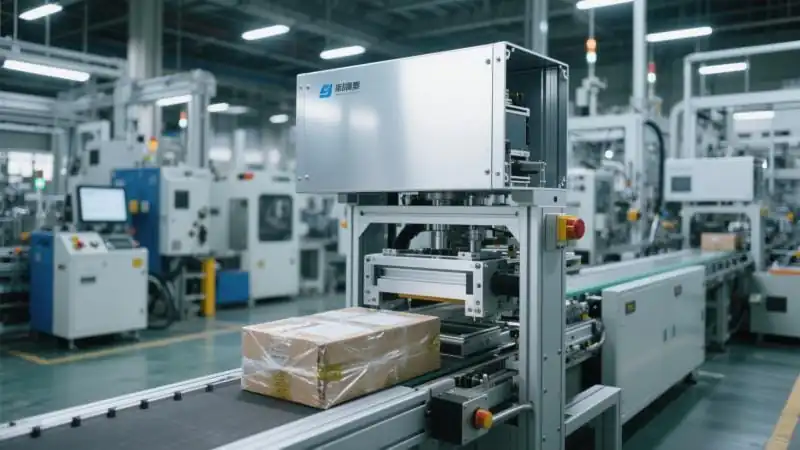
Every automation system fails the same way — not because of bad electronics, but because those electronics weren’t protected well enough. The right enclosure is the quiet engineer that prevents downtime.
Aluminum enclosures combine heat control, corrosion resistance, and design flexibility — the three pillars of long-term reliability in industrial automation.
Let’s explore why professionals consistently choose aluminum when precision and uptime truly matter.
How Does Aluminum Improve Thermal Management?
In automation, heat isn’t just a byproduct — it’s a system killer. Overheating shortens component life, alters signal accuracy, and leads to expensive production halts.
Aluminum stands out because it doesn’t just “withstand heat” — it actively manages it.\
It conducts heat five times better than steel and far beyond plastics, allowing even compact devices to stay cool without forced ventilation.
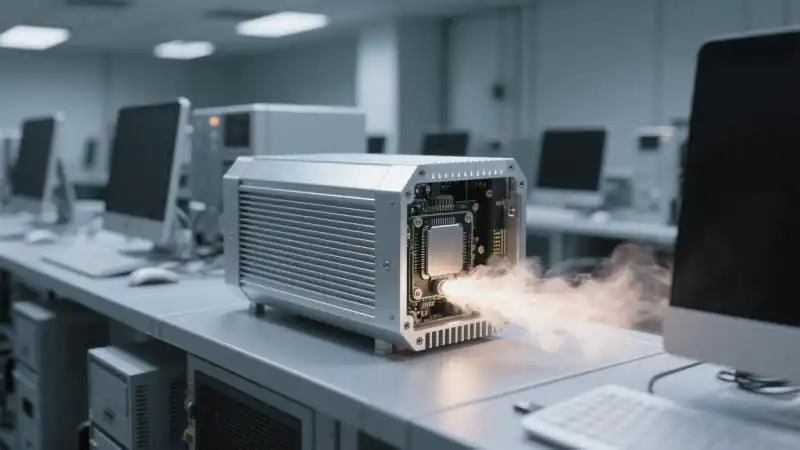
Smart Heat Management Options
| Feature | Purpose | Example Applications |
|---|---|---|
| Integrated heat sinks | Actively radiates system heat | Servo drives |
| Ventilation holes | Promotes natural convection | PLC and sensor modules |
| Thick wall sections | Distributes localized hotspots | Power distribution units |
I once helped a client redesign their servo housing using anodized aluminum with external fins. The system ran 20°C cooler in midsummer, allowing them to double operation time without thermal shutdowns.
Insight: good enclosure design isn’t passive — it’s part of the cooling strategy.
Can Aluminum Survive Harsh Factory Conditions?
Factories challenge materials in every way: vibration, moisture, and airborne chemicals. Many enclosures fail not because they’re weak, but because their protection degrades faster than the system they protect.
Anodized aluminum resists oxidation and corrosion better than painted steel — and it does so permanently.\
Where paint chips, anodizing bonds with the metal itself, forming a hard, stable oxide layer that doesn’t peel, rust, or trap contaminants.
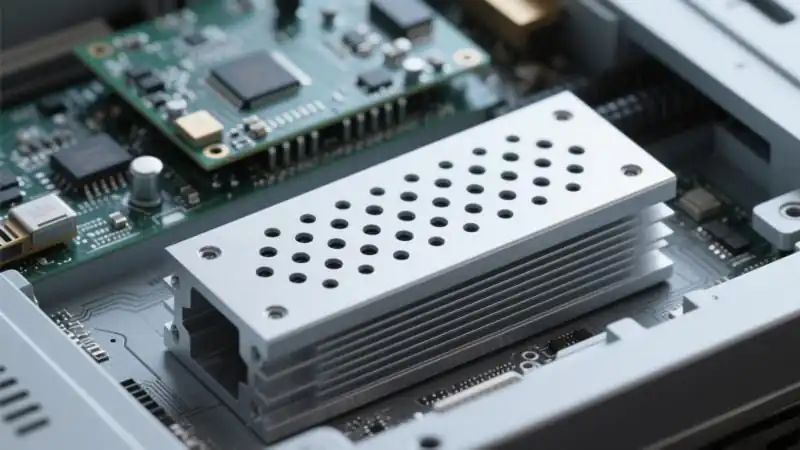
Surface Protection Choices
| Treatment | Benefit | Ideal Scenario |
|---|---|---|
| Anodizing | Corrosion & wear protection | Food automation, marine lines |
| Electrophoretic coat | Uniform finish, weatherproof | Outdoor terminals |
| Sandblasted + anodized | Texture + double protection | HMI interface enclosures |
Clients in coastal zones reported zero rust after 18 months outdoors, thanks to dual-anodized aluminum.
Insight: in harsh environments, durability isn’t about thickness — it’s about surface chemistry.
Are Aluminum Enclosures Customizable?
In automation, every millimeter counts. You don’t just need an enclosure — you need one that fits your logic board, your sensors, your connectors.
Aluminum’s versatility allows true design freedom: extrusions can be cut, drilled, milled, and printed precisely to your specifications — without tooling delays.

Customization Options
| Feature | Options Available | Use Case |
|---|---|---|
| Length | Freely adjustable | Sensor boards, rackmount units |
| Surface treatment | Brushed, anodized, sandblasted | Branding, insulation |
| Logo | Laser, silk-screen, UV print | Serial numbers, company logos |
| CNC holes | Tailored cutouts, screw points | USB ports, cable exits |
A recent OEM needed 300 housings, each with five CNC ports and black anodizing. We delivered them logo-printed and assembly-ready in one batch — no rework required.
Insight: customization isn’t about aesthetics — it’s about eliminating friction between design and production.
Where Are Aluminum Enclosures Most Useful?
Automation is unforgiving — every failure costs hours of output and reputation. Aluminum matches this world because it blends strength, heat control, and precision machining in one material.
That’s why you’ll find it wherever reliability and speed must coexist.

Application Highlights
| Field | What Aluminum Offers | Product Type |
|---|---|---|
| Control units | EMI shielding, stable heat paths | PLCs, control boxes |
| Robotics | Lightweight, vibration-resistant | Robotic arms |
| Power drive systems | Efficient heatsinks, grounding | Inverters, drives |
| Sensors | Tight machining, port accuracy | Measuring devices |
Insight: aluminum isn’t just a shell — it’s part of the system’s performance loop, balancing thermal, electrical, and mechanical integrity.
Why Work With PUMAYCASE?
A great enclosure is half engineering, half craftsmanship. Aluminum is only the beginning — what matters is how precisely it’s shaped, finished, and delivered.
PUMAYCASE partners with automation engineers worldwide to deliver ready-to-integrate enclosures, not raw shells.
Our Advantages
| Advantage | Details |
|---|---|
| Wide product lines | From IP68 waterproof to amplifier enclosures |
| Drawings & samples | DWG/STEP files + CNC previews before production |
| Quality certifications | CE, RoHS |
| Packaging | Bubble-free, multi-layer, export-safe |
| Global support | Serving Canada, EU, SEA, and the US |
We once fulfilled a 500-unit emergency order to Ontario in just 12 days — each unit precision-cut, anodized, and packed for plug-in assembly.
Insight: reliability today isn’t just about product quality — it’s about operational agility.
Conclusion
Aluminum enclosures are the unseen backbone of industrial automation — quietly solving problems of heat, corrosion, and customization.\
When every hour of uptime counts, choosing aluminum is less about material, and more about engineering foresight.