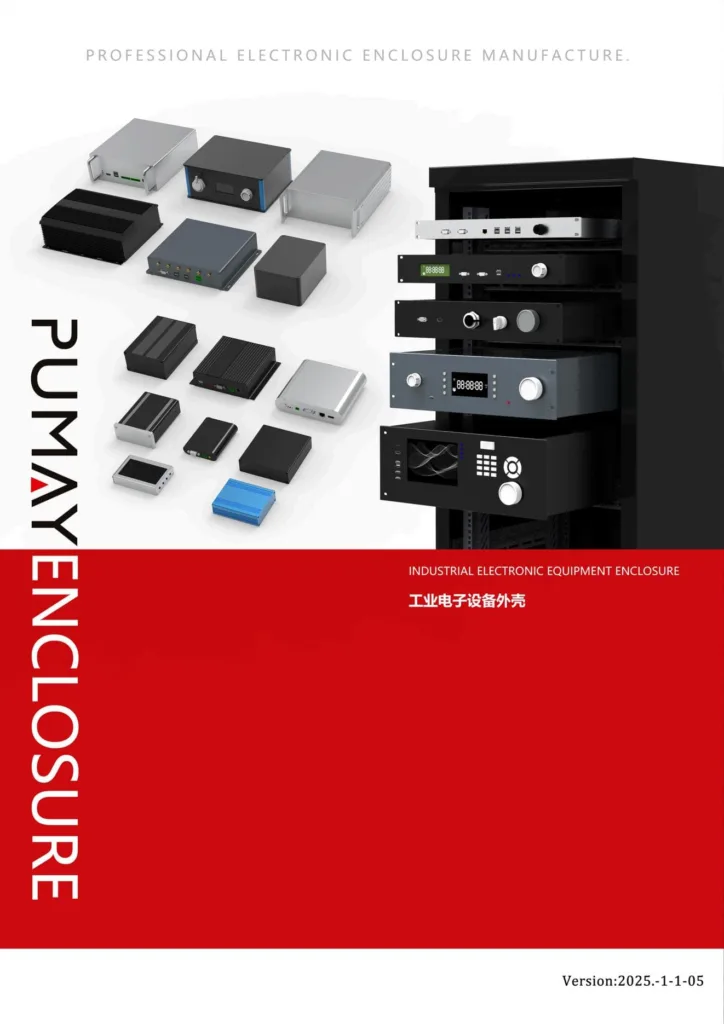
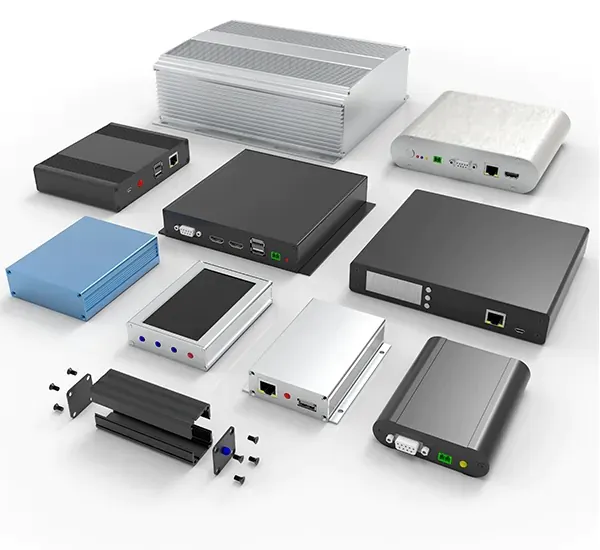
An enclosure arrives with a connector opening that appears misaligned, or a finished panel looks different from the approved sample. The purchasing team needs to resolve the issue without confusing a manufacturing discrepancy, a drawing change, and a problem in the completed electronic product. A useful warranty discussion starts with the agreed enclosure requirements and evidence of what was received.
For custom aluminum enclosures, confirm the applicable warranty terms in writing for the specific order, then document any issue against the approved drawings, finishes, and supplied items. PUMAYCASE supports enclosure supply and repeat purchasing, but a general blog article does not establish a fixed warranty duration, replacement deadline, or return-freight policy. The following checklist helps OEM buyers prepare clear requirements and an effective issue report.
Which Warranty Details Should You Confirm Before Ordering?
Confirm the scope, duration, reporting requirements, and possible resolution arrangements with the supplier before releasing the order. Treat unanswered points as items to resolve, rather than assuming that another supplier's policy also applies to your custom parts.
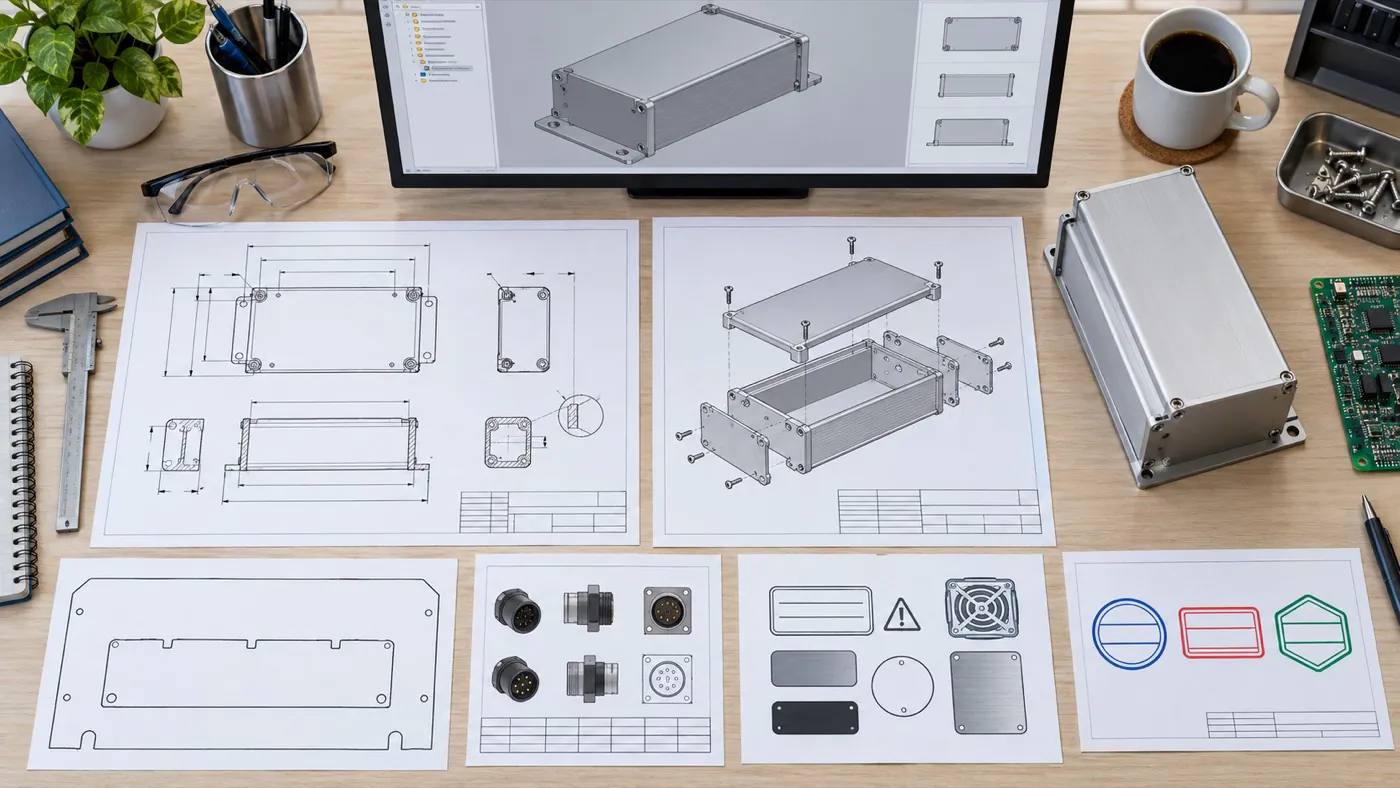
Concept illustration: use the approved document package to define the supplied enclosure.
- Identify the supplied configuration. List the enclosure body, separate panels, machining, finish, marking, and any agreed accessories. A description such as "complete case" can leave uncertainty about individual items.
- Record the applicable terms. Ask for written confirmation of the period and its starting point, the issues covered, and the steps for reporting a concern. Do not infer a duration from a product category or marketing headline.
- Clarify the resolution process. Confirm who reviews evidence, whether physical samples may be needed, and how rework, replacement, or another proposed resolution will be assessed. Keep approval responsibilities visible.
- Separate the enclosure from the finished device. PUMAYCASE does not provide electronics assembly or default whole-product testing. An operating failure in the customer's equipment needs diagnosis before it can be attributed to the enclosure.
Statement: A general enclosure description establishes the warranty duration for every custom order.
Answer: False
Explanation: The applicable scope and duration need written confirmation for the order. A product name does not define those terms.
What Evidence Makes an Enclosure Issue Report Useful?
Provide enough information to identify the affected parts and compare the observation with an approved requirement. A concise report with traceable photographs and measurements is more useful than an unexplained statement that the shipment is defective.
| Report item | Information to include | Question it helps answer |
|---|---|---|
| Order and part identity | Purchase order, part number, revision, and available batch identification | Which supplied configuration is involved? |
| Observed issue | Location, measured result or visible condition, and the relevant drawing requirement | What differs from the agreed requirement? |
| Affected quantity | Quantity inspected and quantity showing the issue | How widely has the condition been observed? |
| Photographs | Overall part view, close-up, and orientation or feature reference | Can the reviewer locate the same feature? |
| Measurement context | Datum, method, instrument, and whether the part was finished or modified | Are the results comparable? |
| Receiving condition | Packaging condition and when the issue was first observed | What evidence should be preserved? |
- Keep observations separate from causes. Report that a hole does not align with the customer fixture before concluding that a machine or program caused the discrepancy. The underlying cause still needs investigation.
- Reference the approved revision. A measurement against a newer internal drawing can create a false discrepancy if the supplier produced the previously approved version. Include the actual file supplied with the order.
- Protect traceability. Label photographs and inspected pieces consistently. Avoid mixing parts from different shipments while trying to establish the affected quantity.
Statement: The inspected quantity and affected quantity are both useful in an issue report.
Answer: True
Explanation: They distinguish a single observed condition from a checked batch result. They do not, by themselves, establish the cause of the issue.
How Should You Assess Fit and Dimensional Discrepancies?
Compare the enclosure with the agreed drawing, datum scheme, and customer assembly information before deciding what needs correction. A part can match its drawing while still failing to fit a connector or PCB that changed after approval.
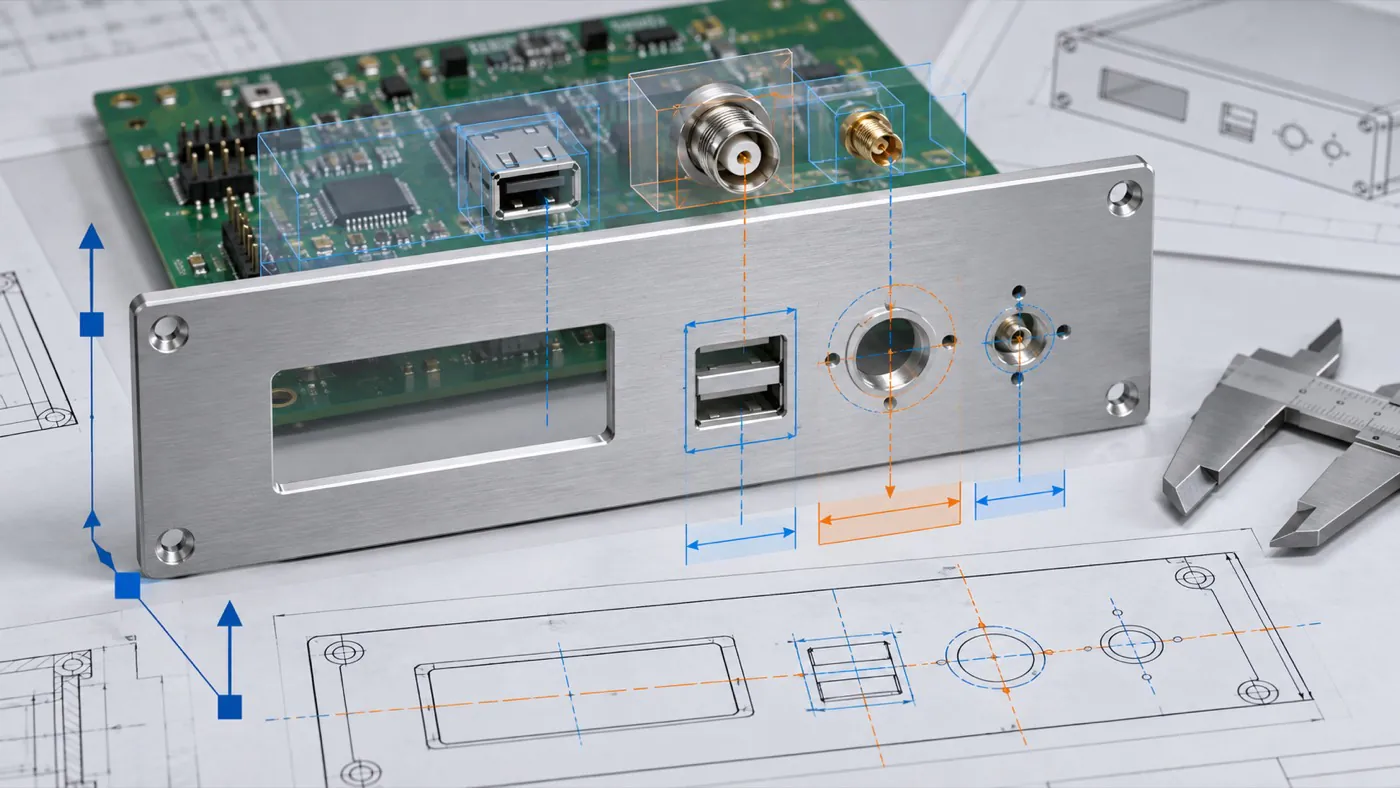
Concept illustration: compare mating features using a consistent reference system.
- Check both sides of the interface. Review the panel opening and the connector envelope, including its mounting hardware and installation access. Do the same for PCB supports, board edges, and component clearances.
- Use comparable measurement references. Identify the drawing datum and measurement direction. Measurements taken from different edges or from an assembled rather than separate part may describe different conditions.
- Account for the approved finish. Check whether dimensions and thread requirements apply before or after finishing. Establish how the finished feature is to be assessed instead of assuming that every process leaves it unchanged.
- Preserve the original condition. Record the discrepancy before drilling, filing, or otherwise modifying the part. Discuss any proposed adjustment with the supplier and your engineering team before using it as a production remedy.
For example, if a display opening fits the approved model but not a revised bezel, first resolve the revision mismatch. That is a different investigation from a panel opening that fails to meet the released drawing.
Statement: A failed fit check alone proves that the enclosure was manufactured incorrectly.
Answer: False
Explanation: The part, mating component, and approved revision all need comparison. A design or revision mismatch can also cause the observed fit problem.
How Can You Evaluate Finish and Marking Concerns Consistently?
Use the approved appearance requirements, artwork, and reference samples to assess a finish or marking concern. Photos are useful for initial communication, but lighting and viewing conditions can change the apparent color and visibility of a surface feature.
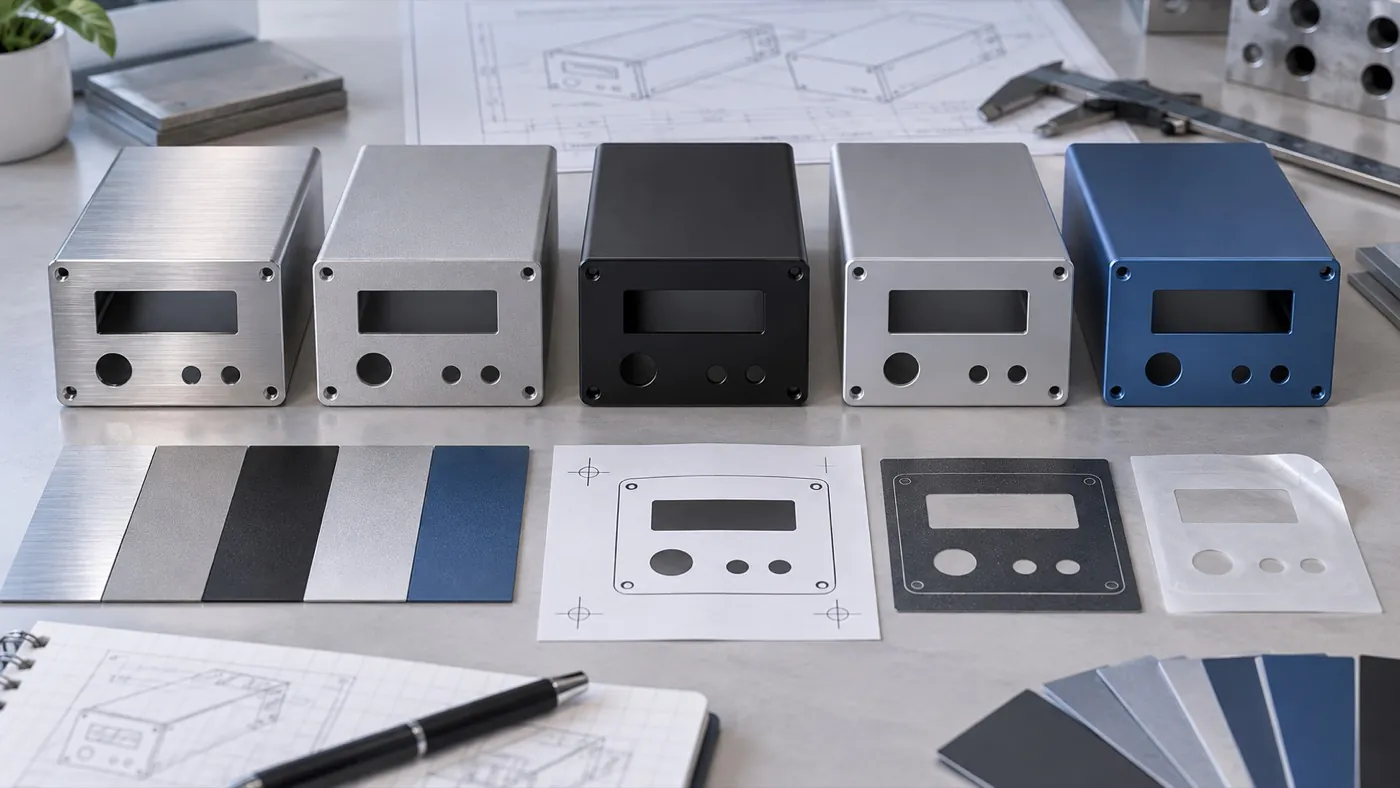
Concept illustration: compare appearance against the agreed finish and artwork references.
- Specify the relevant surface. Identify whether the concern affects a visible exterior, an internal feature, or an area intentionally masked for another requirement. The agreed acceptance criteria should reflect the part's use.
- Compare under consistent conditions. Use the same reference sample and viewing setup where practical. If photographs are inconclusive, agree on a physical sample review rather than treating a screen image as an exact color measurement.
- Check marking against controlled artwork. Confirm text, symbols, orientation, location, and artwork revision. Distinguish an incorrect file from a marking that does not match the approved file.
- Document subsequent exposure. Record any cleaning, handling, installation, or use before the concern appeared. This information helps the review without predetermining responsibility.
Statement: Two photographs taken under different lighting are sufficient to prove an exact color mismatch.
Answer: False
Explanation: Lighting, camera settings, and displays affect apparent color. Use agreed appearance references and review conditions when assessing a disputed finish.
What Should Be Agreed Before Returning or Reworking Parts?
Agree on the next step before shipping parts back or changing them. The parties need a shared record of which items will be examined, what work is proposed, and how transport and other costs will be handled.
| Proposed step | Point to confirm before proceeding |
|---|---|
| Send an example part | Required quantity, destination, identification, and packaging |
| Return an affected batch | Return authorization, included items, shipping arrangement, and cost responsibility |
| Rework locally | Written technical approval, allowed operation, inspection criteria, and responsibility |
| Produce replacement parts | Approved revision, quantity, finish, verification requirements, and agreed schedule |
| Hold the parts for review | Identification, storage, evidence preservation, and next review point |
- Avoid unapproved modifications. A local change may solve one fit issue while affecting finish, strength, sealing features, or interchangeability. Define the proposed work and acceptance criteria before carrying it out.
- Confirm the commercial arrangement. Return freight, rework costs, credits, and replacement terms need case-specific agreement. This checklist does not promise a particular remedy or cost allocation.
- Keep usable and questioned parts distinct. Your receiving team should identify held parts so they are not inadvertently installed while the investigation remains open. Record any authorized release separately.
Statement: Return freight is automatically paid by the enclosure supplier in every reported issue.
Answer: False
Explanation: Cost responsibility and return arrangements must be established for the case under the applicable agreement. They should not be inferred from a generic article.
How Can a Resolution Improve the Next Production Order?
Translate the agreed resolution into controlled requirements and a clear verification step. Replacing one part addresses the immediate need; preventing the same discrepancy requires checking what caused it and whether the proposed change addresses that cause.
| Review stage | Useful output |
|---|---|
| Define the discrepancy | Agreed description, affected scope, and evidence |
| Assess the cause | Supported explanation, with unresolved assumptions identified |
| Agree on the action | Approved correction or process change and responsible contacts |
| Verify the result | Inspection or customer fit-check evidence against defined criteria |
| Release repeat orders | Current drawings, artwork, sample approvals, and purchasing references |
- Choose proportionate documentation. A recurring production issue may justify a more detailed corrective-action report than an isolated artwork revision mismatch. Agree on the required report rather than assuming a specific quality-system service.
- Verify the relevant feature. A photograph of a replacement panel may establish appearance but cannot establish every dimension. Match the evidence to the actual discrepancy.
- Control changes across open orders. Identify whether an approved revision affects only future supply or also parts already in production. Do not allow the same part number to conceal incompatible configurations.
- Close the issue with evidence. Record the acceptance result and any remaining limitations. Avoid treating shipment of replacements as proof that the customer's fit or use requirement has been verified.
What Should You Send PUMAYCASE When an Enclosure Issue Appears?
Send the order reference, part and drawing revision, observed discrepancy, affected quantity, and clear photographs or measurements. Include the receiving condition and any changes made after delivery so the enclosure question can be evaluated against the supplied requirements.
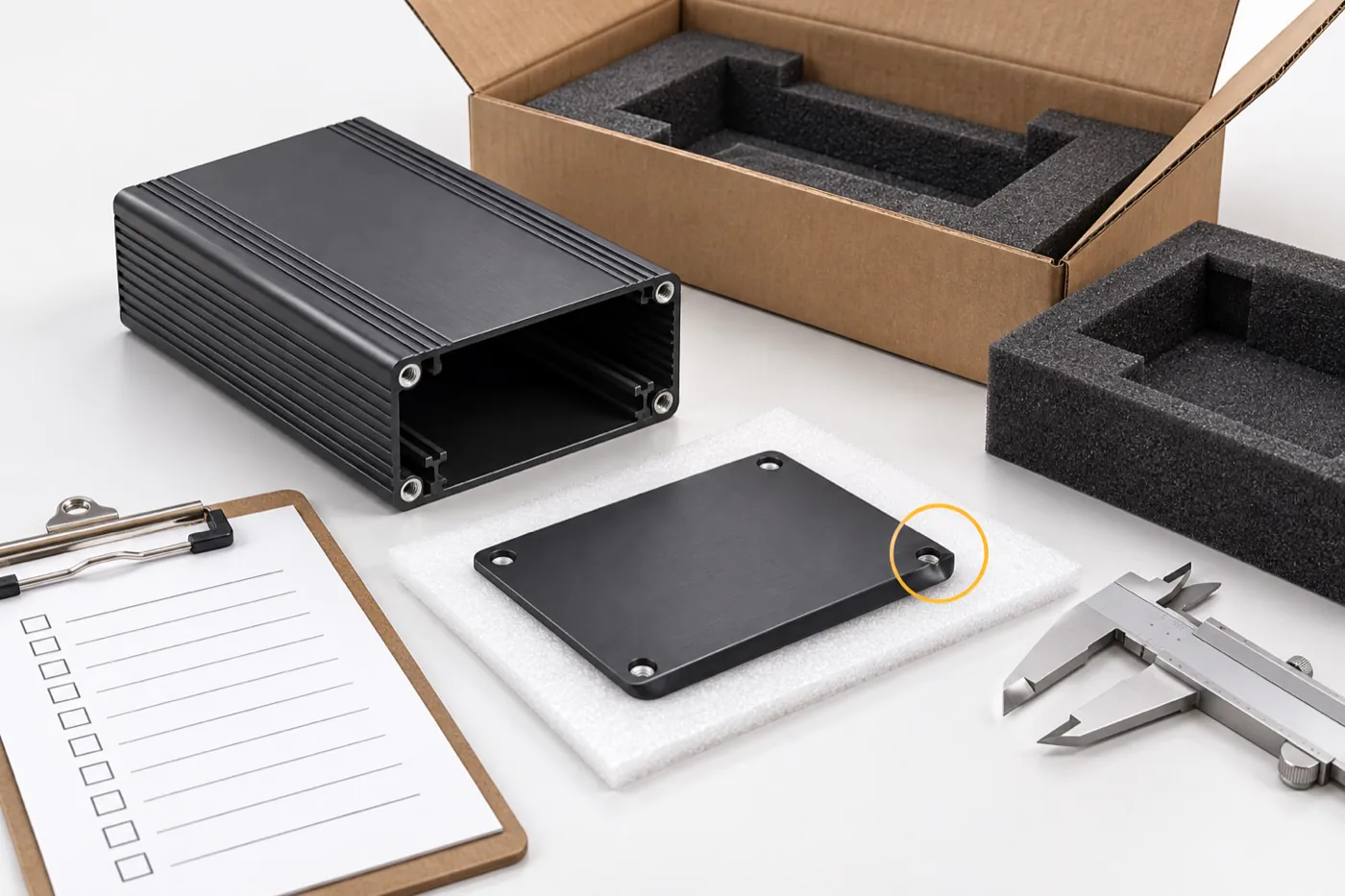
Concept illustration: identify the supplied parts and retain evidence before making changes.
- State the decision you need. Explain whether your team needs help reviewing dimensions, comparing finish, assessing a proposed correction, or confirming the next supply step.
- Provide the current technical package. Include the approved drawing and relevant mating-part information, while clearly distinguishing later revisions from the ordered configuration.
- Confirm the next action in writing. Establish who will review the evidence and what additional samples or records are needed. Quantities, timing, and commercial terms remain subject to confirmation.
PUMAYCASE can discuss the supplied enclosure and its customization requirements. The customer remains responsible for assembling and validating the complete electronic product; PUMAYCASE does not provide electronics assembly services.
Conclusion
Handle custom aluminum enclosure warranty questions by confirming order-specific terms and comparing the reported issue with approved requirements. Preserve traceable evidence, agree on returns or rework before acting, and verify the resolution before updating repeat-order records. Send PUMAYCASE the order reference, approved drawing, photographs, and measurements to support a focused review of the enclosure issue.