
Outdoor Barcode Scanner Aluminum Enclosure: How Can Engineers Protect Lens Windows and Cables?
Outdoor scanners fail when rain, dust, impact, and cable movement reach the electronics. One weak window or gland can stop the line. I solve this with planned aluminum enclosure details.
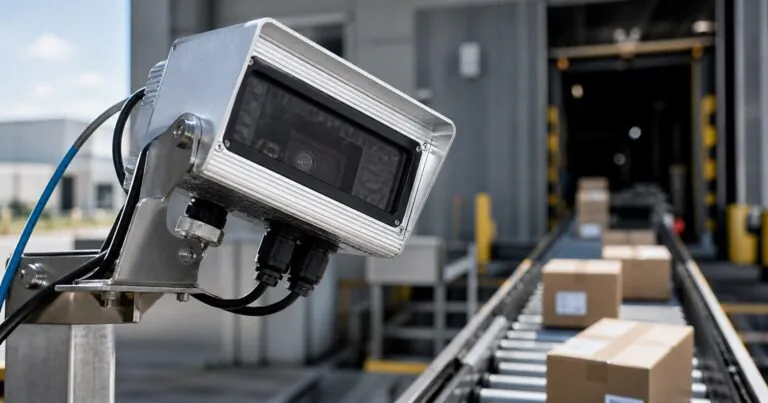
An outdoor barcode scanner aluminum enclosure protects the scan module by combining a rigid aluminum body, sealed lens window, rated cable entries, CNC machined alignment features, and controlled heat paths for continuous scanning.
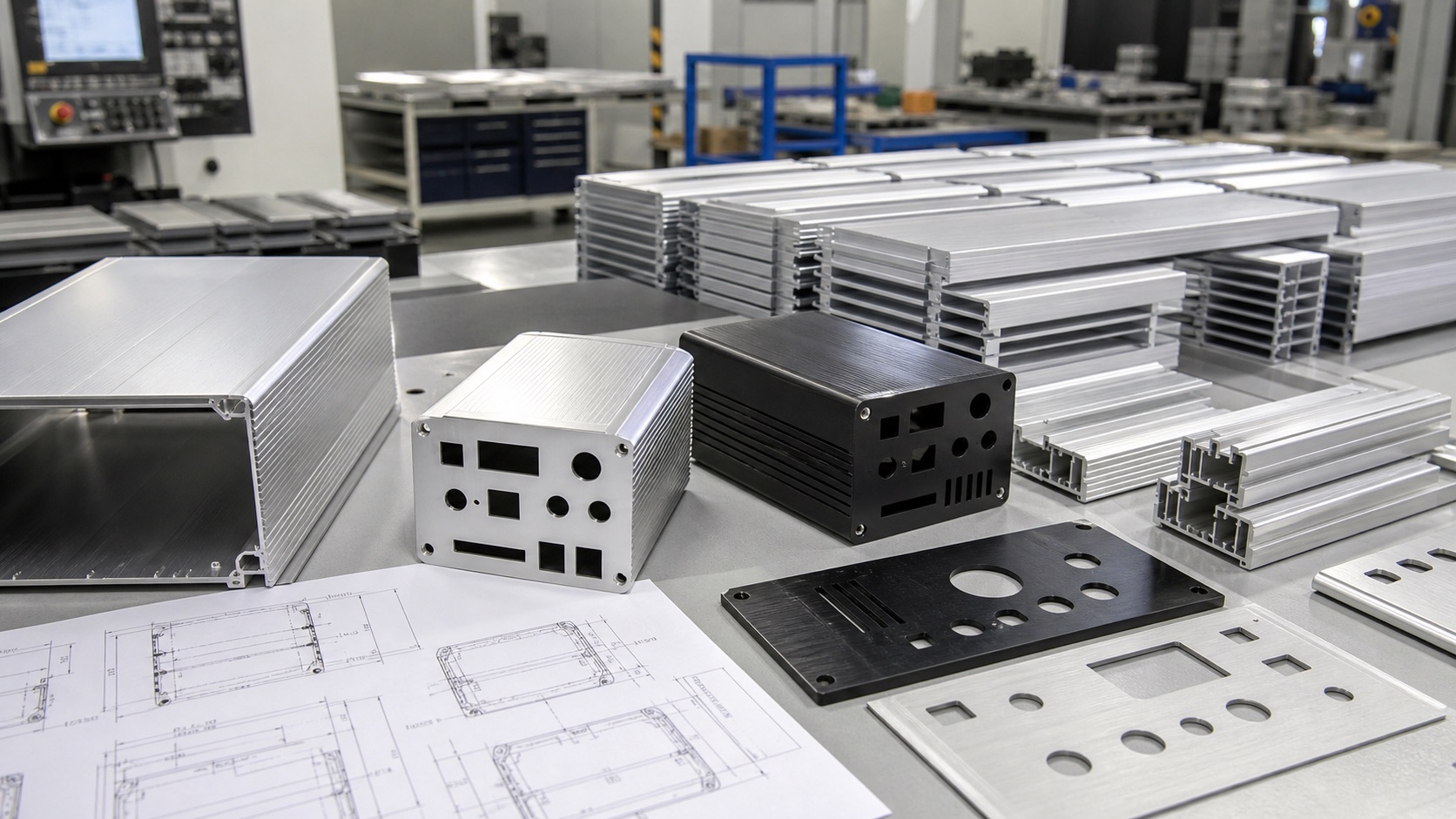
I see more engineers asking about fixed barcode readers for logistics gates, outdoor kiosks, access control, and automated warehouses. The scanner is small, but the enclosure problem is not small. Jeff must protect optical reading, cable sealing, heat, EMC, and service access at the same time. That is why I like this topic. It connects current traceability demand with real enclosure manufacturing decisions.
How Should Engineers Design the Lens Window for Outdoor Barcode Scanning?
A clear window can still cause failed reads. Scratches, glare, fog, and poor alignment reduce scan accuracy. I reduce this risk with material, angle, and sealing control.
Engineers should design the lens window with optical clearance, scratch resistance, gasket compression, anti-glare planning, and stable CNC positioning. The enclosure should protect the window without blocking the scanner field of view.
Lens protection is a mechanical and optical decision
When I work with customers on barcode scanner housings, I do not treat the front window as a simple cover. The window is part of the reading system. If the aperture is too small, the scanner may read well on the desk but fail after installation. If the window sits too far from the scan module, reflection can increase. If the gasket pushes unevenly, the window can tilt and create sealing risk.
For outdoor or semi-outdoor equipment, I usually ask for the scanner module drawing first. I want to know the reading angle, focal distance, LED position, aiming light, and service direction. Then I can plan the CNC cutout and window seat. A small chamfer around the window pocket can help assembly, but the sealing land must stay flat. The gasket should sit on a clean surface, not on a rough milling mark.
For traceability systems, this detail matters because barcode scanning is often linked to inventory and process data. GS1 explains barcode standards as part of automatic identification in supply chains. If the reader fails because the enclosure blocks the optics, the data system loses its value.
| Design point | Common mistake | Better enclosure choice |
|---|---|---|
| Window opening | Opening is based only on module size | Check field of view and scan distance |
| Window material | Soft plastic scratches quickly | Use suitable clear plate or hardened option |
| Gasket land | Narrow or uneven surface | Keep a flat, continuous sealing area |
| Front panel | Thin plate bends under screws | Use enough thickness and screw support |
| Surface finish | Glossy face causes glare | Consider bead blast anodizing or matte finish |
At PUMAYCASE, I prefer to make the front plate by CNC machining when the scanner needs accurate optical alignment. CNC machining helps control the window pocket, screw holes, and cable position in one drawing. This reduces tolerance mismatch from several suppliers. It also gives Jeff a faster prototype path because one supplier can review the 2D and 3D files together. For projects like this, CNC aluminum enclosure machining is often safer than asking one vendor for the box and another vendor for the optical plate.
How Can Cable Glands Keep an Outdoor Barcode Scanner Aluminum Enclosure Waterproof?
Cables often break the IP rating before the box fails. A wrong gland size or bend path creates leaks. I protect the scanner by matching every cable entry.
Cable glands keep an outdoor barcode scanner aluminum enclosure waterproof when the gland matches cable diameter, thread sealing, wall thickness, torque, bend radius, and test condition.
The cable entry is usually the first leak path
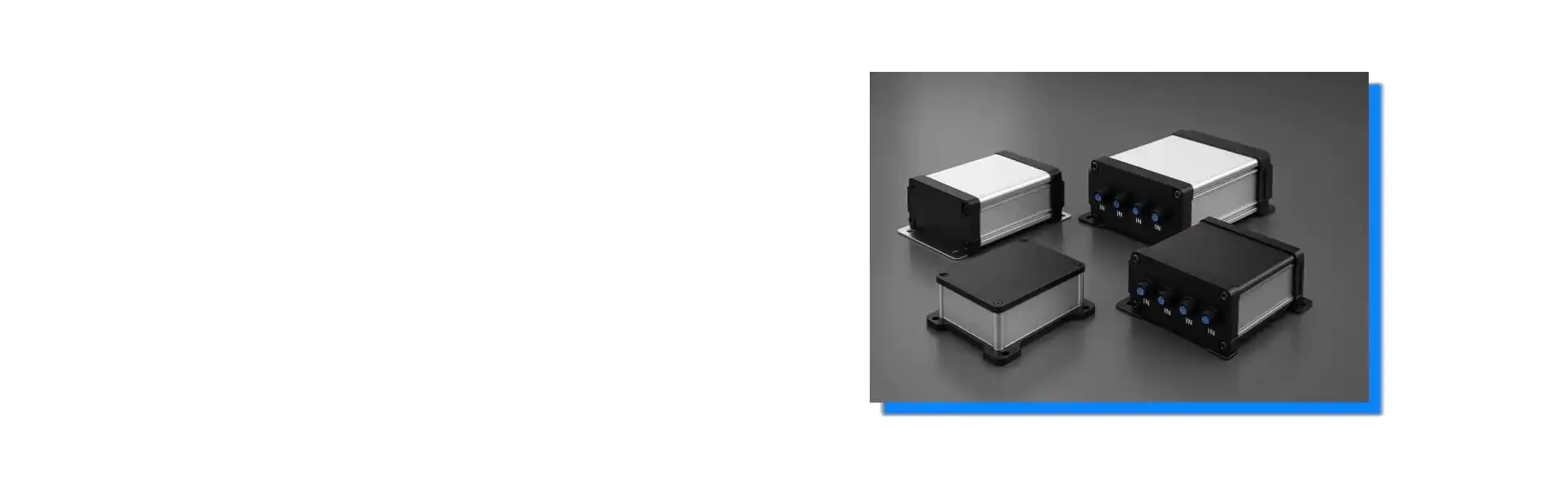
Many enclosure drawings show the connector hole, but they do not show how the cable will behave after installation. This is a problem. A cable gland can be rated well, but it can still fail if the cable outer diameter is wrong. It can also fail if the cable pulls sideways and slowly deforms the sealing insert. For barcode scanners used at gates, conveyors, and outdoor kiosks, operators may clean the area, pull the cable, or open the service cover many times.
The IP rating must be planned with the final cable condition. IEC 60529 defines the ingress protection code used for IP ratings, but the real product still depends on correct assembly. I always remind customers that an IP67 target is not only a material choice. It is a system choice. The enclosure body, gasket, gland, screws, plugs, and assembly torque must work together.
| Cable detail | Risk if ignored | Practical check |
|---|---|---|
| Cable outside diameter | Gland insert cannot compress correctly | Confirm cable OD tolerance |
| Thread type | Poor thread sealing | Use correct thread and sealing washer |
| Wall thickness | Gland cannot clamp well | Match panel thickness to gland range |
| Inside bend radius | Cable pushes the PCB or window | Reserve internal cable space |
| Spare holes | Open path for water | Use rated blanking plugs |
I like aluminum for this type of enclosure because the cable holes can be machined accurately after the extrusion or profile is selected. If Jeff changes from USB to M12, or adds RS-485, Wiegand, or Ethernet, the end plate can be updated faster than a new molded housing. This is one reason custom aluminum enclosure solutions are useful for small and medium batches.
For outdoor scanner projects, I also ask whether the cable exits downward, sideways, or backward. A downward exit helps drainage. A side exit may need more strain relief. A backward exit may need a rear service space. These small details can reduce field complaints. They also make installation easier for the system integrator, which is important when a scanner is mounted inside a gate column or kiosk.
How Should Engineers Balance Heat, EMC, and Fast Customization?
Compact scanner housings can trap heat and noise. Fast prototypes can make this worse. I balance aluminum structure, grounding, finish, and modular machining early.
Engineers should balance heat, EMC, and customization by using the aluminum body as a heat path, keeping conductive contact where needed, and CNC machining only the features that change.
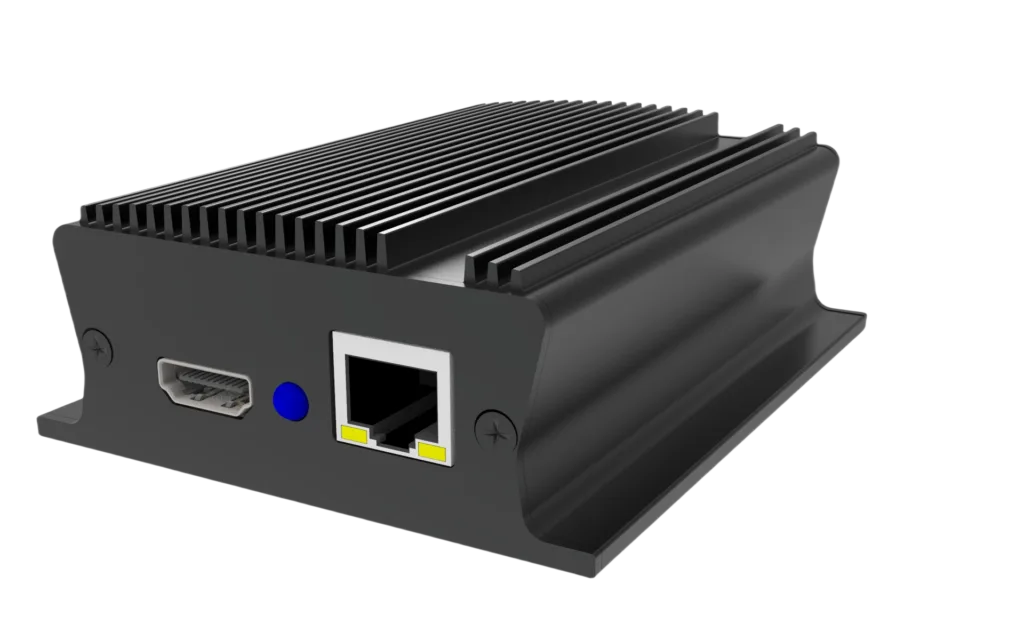
Fast customization should still protect function
Outdoor barcode scanners are becoming more common because factories, warehouses, transport terminals, and access systems need faster traceability. GS1 traceability standards show how identification and data capture support supply chain visibility. NIST has also discussed manufacturing supply chain traceability needs in technical work on secure traceability systems. For Jeff, this trend means more compact reader modules must fit into real machines, not only clean indoor panels.
Heat is one hidden issue. Scanner modules, LED lighting, controllers, and communication boards can warm up inside a sealed housing. If the enclosure has no vent, the aluminum body becomes the main heat path. Aluminum is useful because it conducts heat much better than many plastics. The Aluminum Association provides industry resources about aluminum materials and standards, and this is one reason aluminum remains popular for electronic housings.
| Engineering target | Aluminum enclosure action | Supplier communication point |
|---|---|---|
| Heat dissipation | Place hot parts near the aluminum wall | Share component heat source positions |
| EMC shielding | Keep metal contact around seams where needed | Mark masked or conductive areas |
| Fast prototype | Use standard extrusion plus CNC end plates | Confirm drawing revision control |
| Outdoor durability | Use anodizing and stainless screws | Confirm finish color and salt exposure |
| Service access | Keep replaceable end plate or cover | Define opening direction and gasket type |
EMC also needs early planning. Anodizing protects the surface, but it can reduce electrical contact if every contact surface is fully insulated. In some projects, we leave selected areas conductive or plan a grounding point. This must be shown in the drawing. If the enclosure supplier does not ask these questions, the first sample may look beautiful but fail the electrical test.
Lead time is another real pressure. Jeff may need three prototypes this month and 300 pieces after validation. In this case, extruded aluminum enclosures help because the base body can stay standard while the end plates, mounting holes, cable holes, and window pocket change by CNC machining. PUMAYCASE can also support anodizing, silk screen printing, laser marking, and assembly, so the project has fewer handoffs.
I also suggest planning a simple drawing checklist before ordering samples. It should include module position, PCB slot, lens center, screw torque, gasket material, cable gland model, finish, logo, serial marking, and inspection points. This may feel basic, but it saves many days. A clear enclosure drawing lets my engineering team reply faster, and it helps Jeff protect his schedule.
Conclusion
An outdoor barcode scanner aluminum enclosure works best when lens sealing, cable glands, heat, EMC, CNC machining, and lead time are planned together from the first prototype.