Renewable Energy Monitoring Aluminum Enclosure: How Can Engineers Balance IP Protection and Heat?
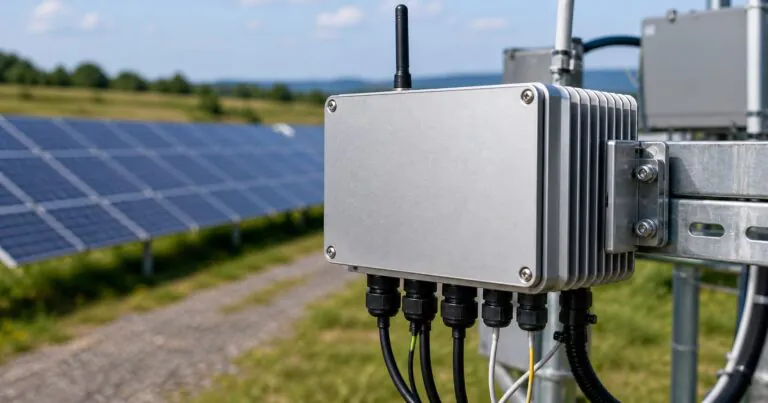
Outdoor energy devices face rain, dust, sun, and heat. If the enclosure is wrong, data modules fail early. A renewable energy monitoring aluminum enclosure solves this balance.
A renewable energy monitoring aluminum enclosure should protect electronics from water and dust while moving heat through the aluminum body, sealed end plates, and planned mounting surfaces. Engineers should define IP rating, heat path, cable entry, finish, and CNC details before prototype production.
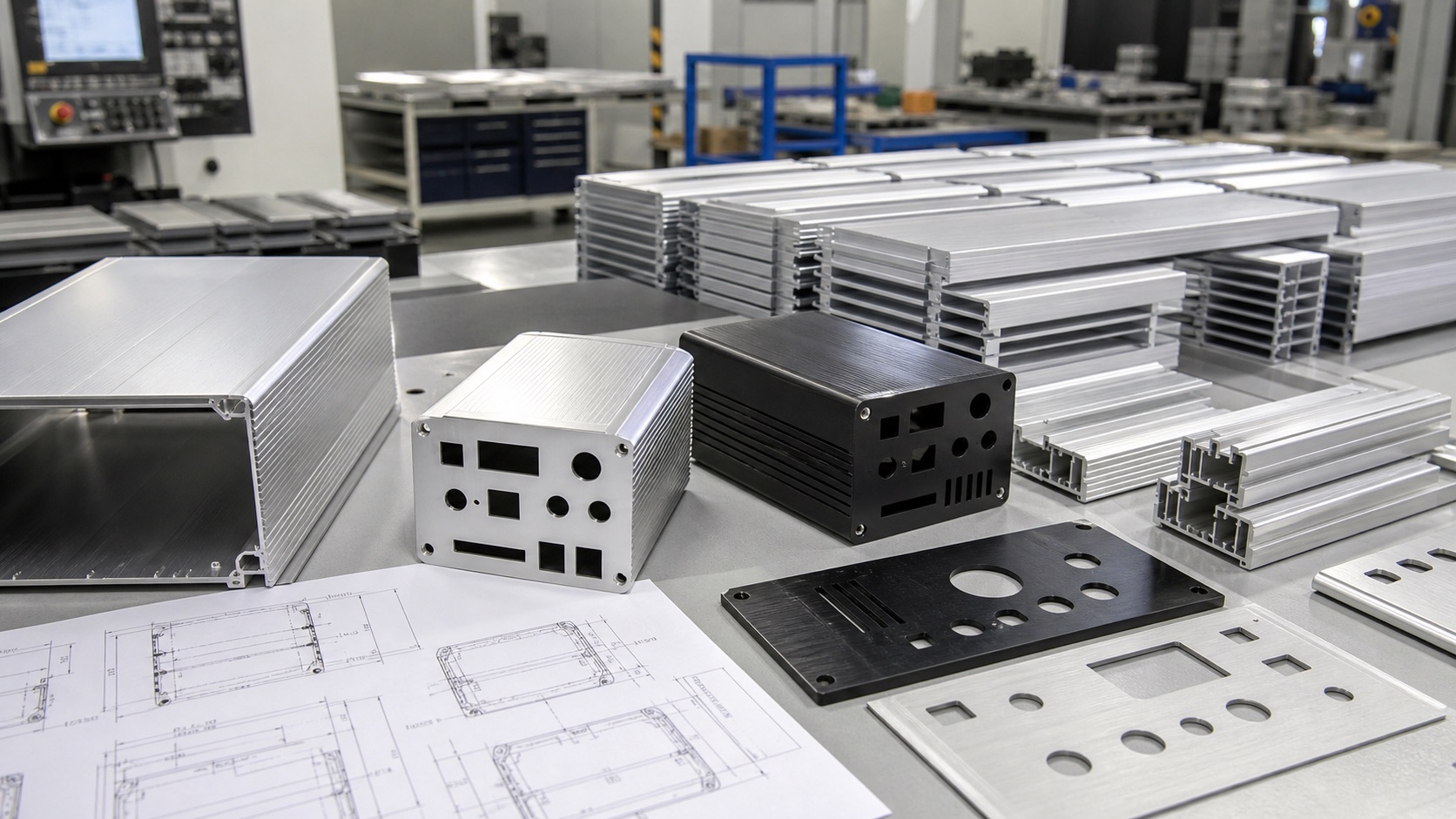
I see more customers building solar monitoring boxes, battery storage data modules, smart meter gateways, and outdoor sensor nodes. These products look simple from outside, but they often combine power electronics, communication boards, antennas, cable glands, and field service needs. The enclosure must work as protection, heat spreader, mounting structure, and production part at the same time.
Why Are Renewable Energy Monitoring Devices Hard on Aluminum Enclosures?
Field devices look small, but outdoor conditions are harsh. Heat, moisture, UV, dust, and cable stress work together. Good enclosure planning reduces these hidden risks.
Renewable energy monitoring devices are hard on enclosures because they often run outside for years near solar panels, batteries, inverters, or grid equipment. The enclosure must resist ingress, support heat transfer, hold connectors, and stay serviceable.
I Start With the Real Installation Site
When Jeff sends me a drawing for a renewable energy monitoring aluminum enclosure, I first ask where the device will work. A solar field in a dry area creates different problems from a battery storage cabinet near the coast. A rooftop gateway also faces different stress from a wall-mounted controller inside an energy station.
Many renewable energy devices collect data from panels, batteries, power meters, or environmental sensors. NIST describes distributed energy resources as a real IIoT cybersecurity and infrastructure topic, and its distributed energy resources guidance shows how connected energy systems use sensors, communications, and field devices. The enclosure is not only a shell in this situation. It protects the physical point where data, power, and environment meet.
For custom aluminum enclosure solutions, I usually map the site risk before choosing the structure.
| Site Condition | Enclosure Risk | Practical Design Check |
|---|---|---|
| Direct sun | Internal temperature rises | Use aluminum body as heat path |
| Outdoor dust | Connector and seal wear | Choose correct gasket and gland layout |
| Rain or spray | Water entry through joints | Define IP target before CNC |
| Coastal air | Surface corrosion | Choose anodizing or coating carefully |
| Field service | Wrong wiring or lost screws | Keep labels, screws, and access simple |
I also check whether the customer needs a standard extruded body or a more customized profile. Standard extrusion can reduce tooling time and cost. CNC machined end plates can add connector holes, mounting slots, LED windows, and cable gland holes without changing the whole profile. This approach helps many teams move faster from prototype to pilot build.
How Should Engineers Plan IP67 Sealing Without Trapping Heat?
Sealed boxes stop water, but they can also trap heat. If heat stays inside, electronics age faster. Aluminum can protect and conduct heat when designed well.
Engineers should plan IP67 sealing by controlling gasket compression, screw spacing, cable glands, mating surfaces, and heat paths. The enclosure body should conduct heat from hot components to the outer aluminum surface.
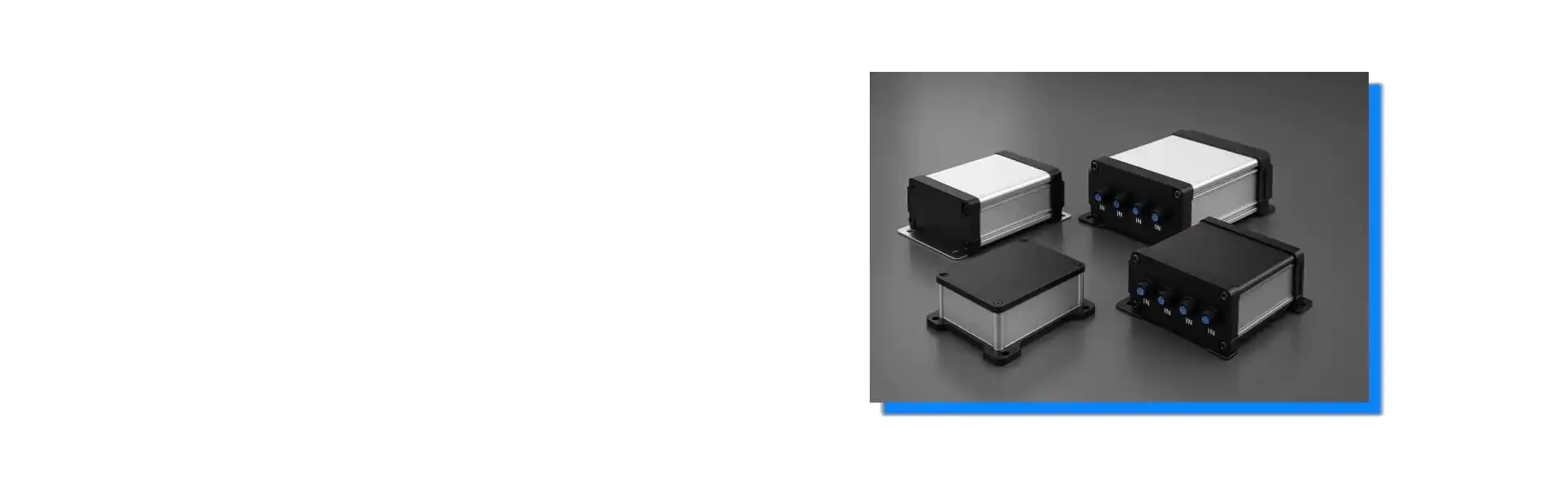
IP Rating and Heat Path Must Be Designed Together
I often see teams treat waterproof design and thermal design as two separate jobs. This creates trouble. A sealed box may pass a short water test, but the electronics may run too hot. A vented box may cool well, but it may fail dust or water requirements. Jeff needs both results at the same time.
The official IEC IP ratings explanation says IP ratings grade enclosure resistance against dust and liquids. This is useful, but I always remind customers that the final test depends on the complete assembly. Cable glands, screws, end plates, gaskets, and unused holes all matter. A good aluminum body cannot save a poor cable entry.
For a waterproof aluminum enclosure, I like to define the thermal path before machining. If a modem, DC-DC converter, or processor creates heat, I check whether it can touch the enclosure wall through a thermal pad or mounting plate. The aluminum shell can then move heat to the outside surface. This is better than leaving the hot component floating in sealed air.
| Design Area | IP Protection Question | Heat Question |
|---|---|---|
| End plate | Is the gasket compressed evenly? | Can the plate spread heat? |
| Main body | Are screw channels stable? | Is wall thickness enough for conduction? |
| Cable gland | Is the gland rated for the target use? | Does cable layout block heat path? |
| PCB mount | Are standoffs away from seal areas? | Can hot parts touch aluminum? |
| Surface finish | Does finish support outdoor use? | Does coating affect contact area? |
Anodizing can improve appearance and corrosion resistance, but it can also affect electrical and thermal contact at specific interfaces. In some projects, I ask the customer to keep certain internal contact areas controlled. This is especially important when the enclosure also works as a heat spreader or grounding path.
What Custom Aluminum Enclosure Details Can Reduce Prototype Lead Time?
Prototype delays often come from missing details, not factory speed. Unclear drawings create questions and rework. A complete enclosure package keeps production moving.
Custom aluminum enclosure lead time improves when engineers provide clear 2D drawings, 3D files, connector datasheets, IP target, finish choice, marking files, and quantity plan before CNC machining starts.
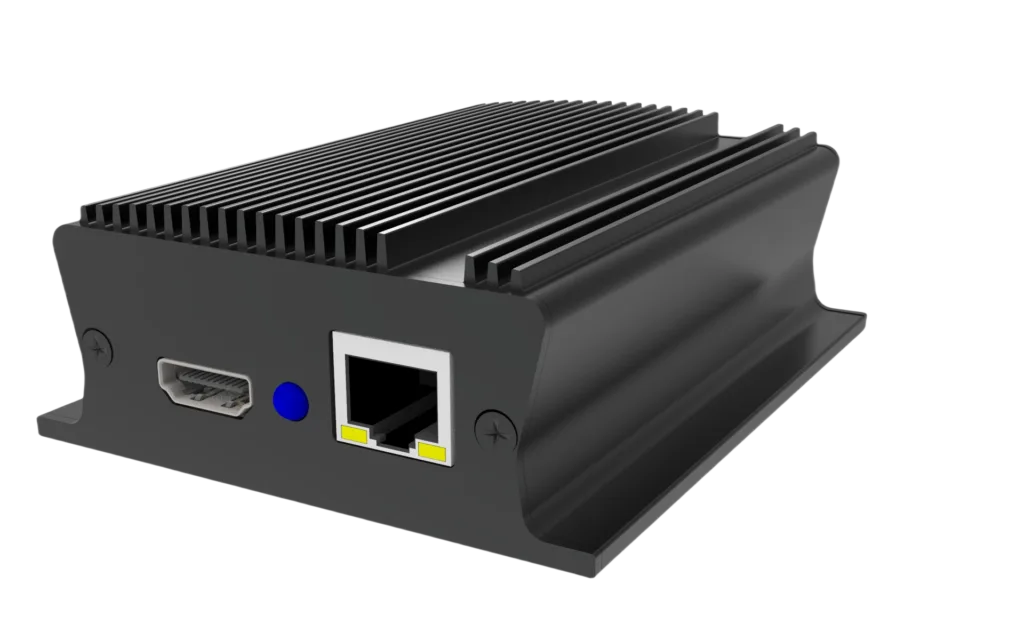
I Check the Drawing Like a Production Problem
When I receive a new renewable energy monitoring enclosure inquiry, I do not only ask for size. I check the whole production path. Can we use an existing extrusion? Do the end plate holes match the real connector thread? Does the gasket have enough flat area? Are there any holes too close to screw posts? Is the logo laser marked or silk printed? Is the color natural anodized, black anodized, or another finish?
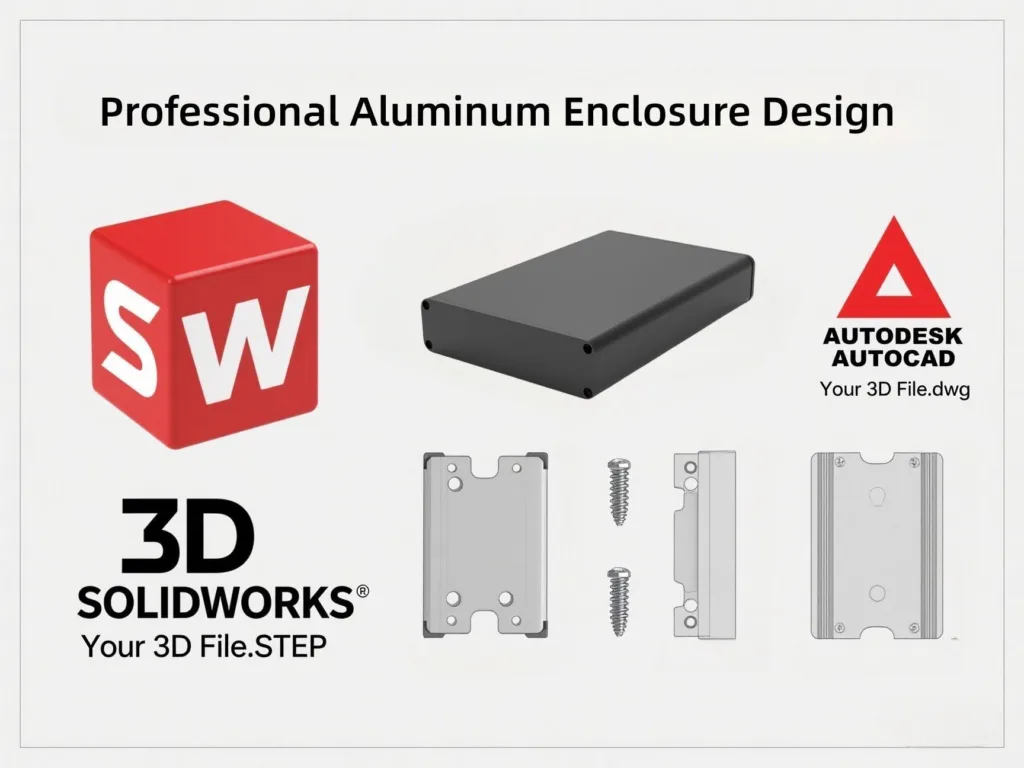
This matters because small mistakes cause big delays. For example, one customer once sent a STEP file with connector holes, but the connector datasheet showed a different panel cutout. If we machined the first file directly, the connector nut would not seat correctly. In this case, one drawing review saved the prototype.
For CNC aluminum enclosure machining, I suggest engineers prepare these items before asking for a quote.
| File or Detail | Why It Matters | Delay If Missing |
|---|---|---|
| 3D STEP file | Confirms overall fit | Supplier must rebuild geometry |
| 2D PDF drawing | Defines tolerances and notes | Machining team may guess dimensions |
| Connector datasheet | Confirms cutout and thread | End plate may need remake |
| IP target | Guides gasket and screw plan | Waterproof design may change late |
| Finish and color | Controls anodizing schedule | Sample approval may slip |
| Quantity plan | Helps choose process | Wrong cost structure |
NEMA explains that enclosures protect electrical and electronic equipment in industrial, utility, and EV charging applications, and its enclosures overview is useful when buyers compare environmental protection needs. For PUMAYCASE projects, I translate that high-level requirement into practical manufacturing details.
My best advice is simple. Freeze the external size, PCB position, connector model, seal target, and finish before CNC. If the design is still changing, tell the supplier which areas are fixed and which areas may move. This helps us protect lead time and avoid remaking parts.
Conclusion
A renewable energy monitoring aluminum enclosure works best when IP protection, heat path, CNC details, anodizing, and lead time are planned together from the first prototype.