Small-Batch Custom Aluminum Enclosures: How Can Engineers Move From Prototype to Pilot Build Faster?
Prototype changes can slow a good device. Late enclosure problems can delay testing and upset buyers. Small-batch custom aluminum enclosures help teams move faster.
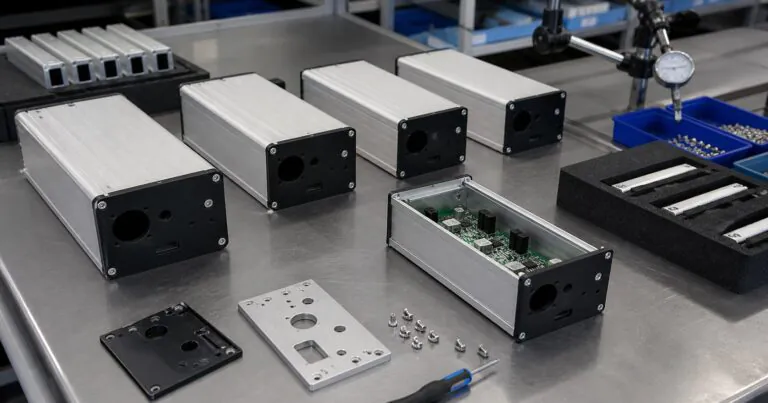
Small-batch custom aluminum enclosures let engineers test real aluminum housings before mass production. They support CNC cutouts, surface finishing, sealing checks, and assembly review without waiting for full tooling.
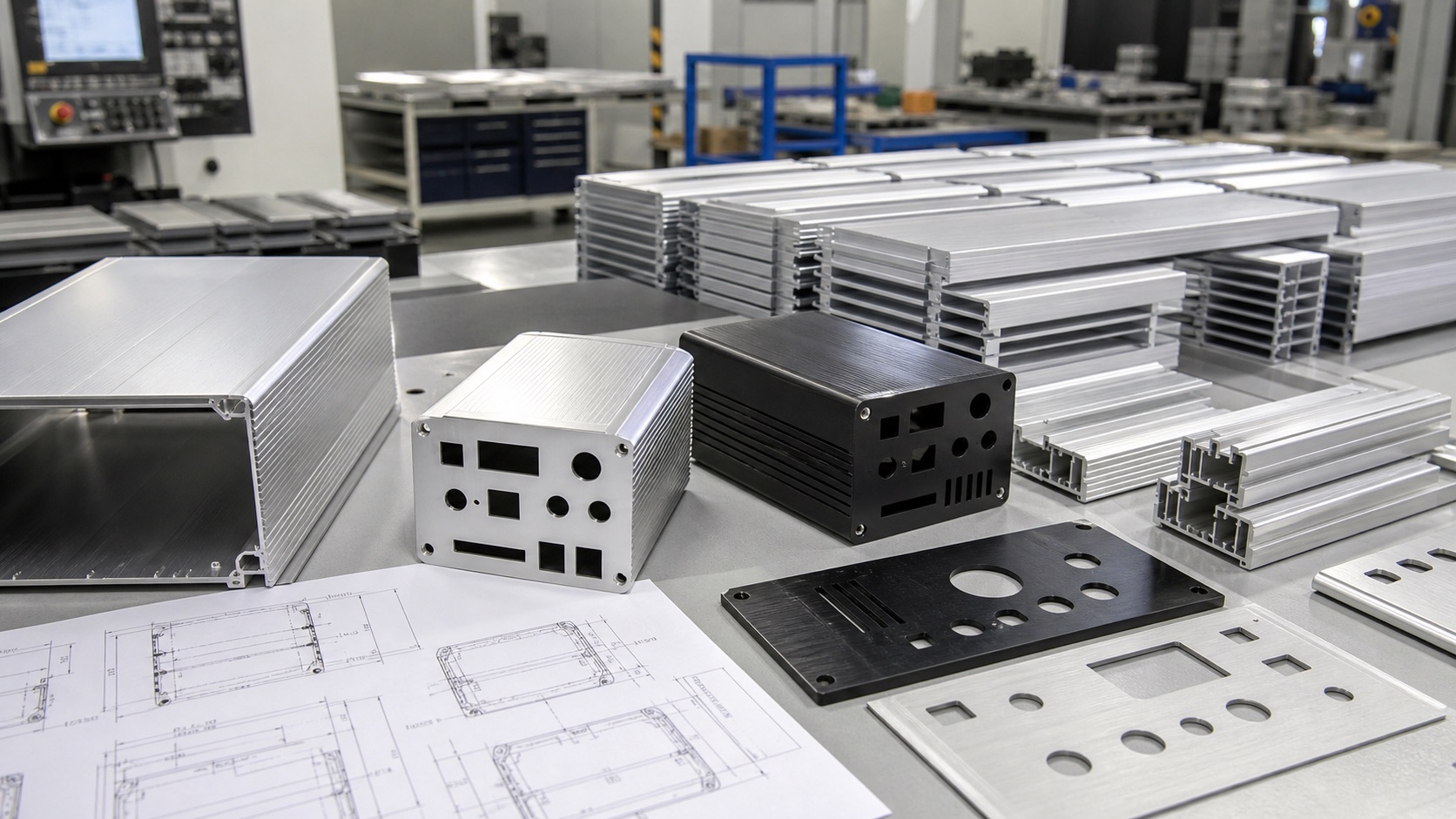
I see more engineers building compact IoT, smart sensor, and edge computing devices in small pilot runs before they order large batches. This is practical. A pilot build can show cable layout problems, thermal contact issues, gasket risks, and assembly mistakes early. In this article, I will explain how I usually help customers reduce enclosure risk before the first serious production order.
Why Are Small-Batch Custom Aluminum Enclosures Useful for Prototype Builds?
Prototype enclosures often look simple. Small mistakes still stop testing. A small-batch custom aluminum enclosure gives engineers real parts for real checks.
Small-batch custom aluminum enclosures are useful because they let engineers verify PCB fit, connector positions, CNC tolerance, finish, sealing, and assembly before committing to a larger order.
I use small batches to find problems that drawings cannot show
A 3D model is useful, but it cannot show every workshop and assembly issue. I have seen many projects where the drawing was correct, but the real device still needed a small change. One connector needed 1 mm more clearance. One PCB terminal was too close to the end plate. One countersunk screw touched a cable. These are not big design failures, but they can delay a pilot build.
When I work with engineers, I often suggest a small batch before the full order. This is especially important for industrial IoT devices, sensor gateways, control boxes, and compact power modules. These products usually have many interfaces in a small space. They also need clear labeling, anodizing, and sometimes sealing.
| Prototype item to check | Why it matters | Common fix before pilot build |
|---|---|---|
| PCB mounting holes | Prevents forced assembly | Adjust standoff position or screw size |
| Connector cutouts | Avoids cable interference | Modify CNC opening or spacing |
| End plate thickness | Controls strength and thread depth | Use thicker plate or insert |
| Surface finish | Affects appearance and branding | Confirm anodized color sample |
| Assembly sequence | Saves labor time | Change screw access or part order |
For extrusion-based projects, I also check the aluminum profile standard and material expectation. ASTM describes aluminum extruded products under ASTM B221, and this helps engineers understand why profile material, temper, and extrusion tolerance should be discussed early.
At PUMAYCASE, I like small-batch work because it creates honest feedback. A customer can order 10, 20, or 50 pieces, assemble real electronics, and then send comments before mass production. This supports faster decisions and fewer surprises. If you need this path, our custom aluminum enclosure solutions can support CNC machining, anodizing, laser marking, and assembly review in one process.
How Should Engineers Prepare Drawings for Small-Batch Custom Aluminum Enclosures?
Unclear drawings create long email loops. Each missing detail adds risk. A clean drawing package helps the supplier quote and machine faster.
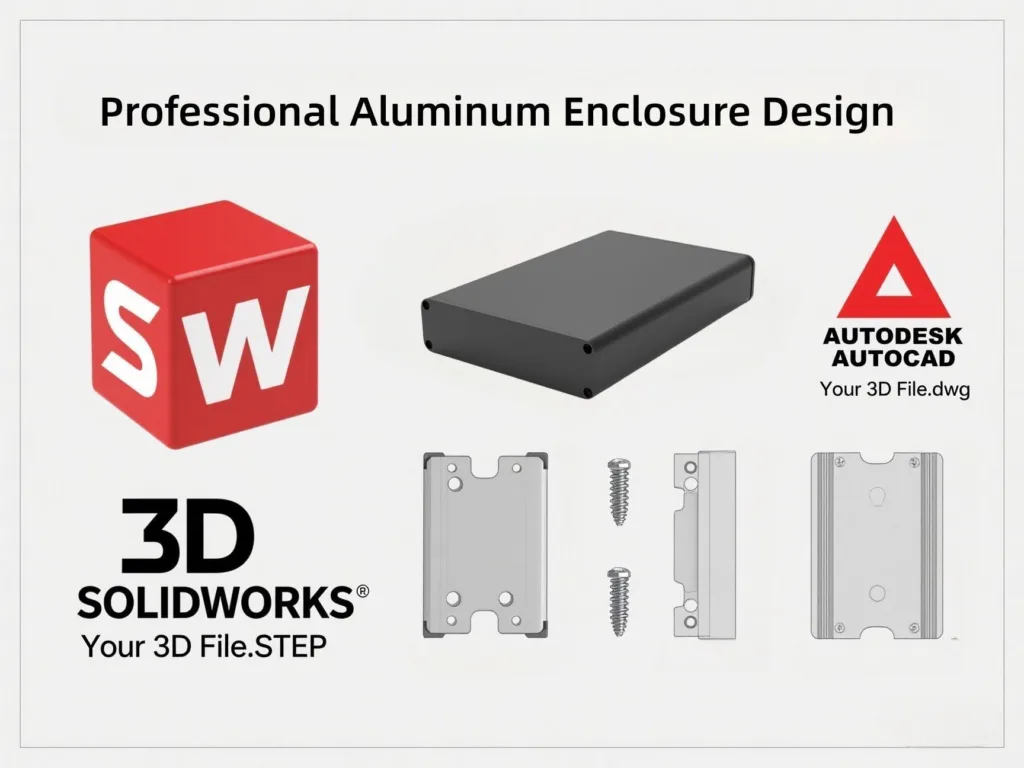
Engineers should provide 2D drawings, 3D files, connector datasheets, material requests, surface finish, tolerance notes, quantity, and target lead time for small-batch custom aluminum enclosures.
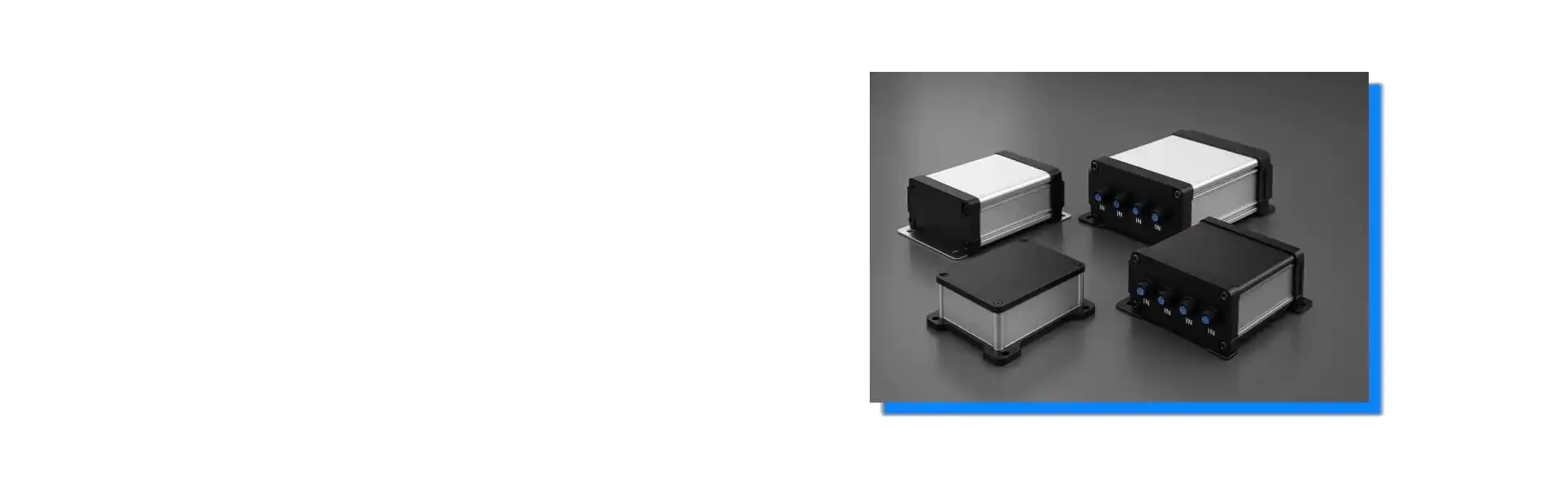
I check drawings like an assembler, not only like a machinist
A good enclosure drawing is not only a machining instruction. It is also an assembly plan. When I receive a project, I do not only look at length, width, and hole size. I also ask how the PCB slides into the housing, how the operator tightens the screws, and how the cable gland or connector will be installed. This is where many prototype changes happen.
For small-batch custom aluminum enclosures, I prefer a simple but complete RFQ package. The engineer does not need to make the drawing beautiful. The engineer needs to make it clear.
| File or note | What I need to see | Why it helps lead time |
|---|---|---|
| 3D model | Overall structure and assembly | Speeds up fit review |
| 2D drawing | Critical dimensions and tolerance | Reduces CNC questions |
| Connector datasheet | Cutout size and screw pattern | Prevents wrong openings |
| Surface finish note | Anodizing, powder coating, or raw | Avoids color and texture confusion |
| Logo file | Laser marking or silk screen artwork | Helps prepare branding early |
| Quantity and deadline | Sample and pilot schedule | Helps plan machining capacity |
I also suggest marking only the critical tolerances. If every dimension has a tight tolerance, machining cost rises and communication becomes heavy. For example, a connector cutout may need tight position control, but an outer length may not need the same level. This is practical design for manufacturing.
If the enclosure must protect outdoor electronics, the drawing should show gasket position, screw spacing, cable entry, and sealing surface. IEC explains the IP code in IEC 60529, so I always remind customers that an IP target is not only a label. It is a design requirement. Our CNC aluminum enclosure machining support can help turn these notes into real panel cutouts, threaded holes, and finished parts.
What Design Choices Reduce Risk Before the Pilot Build?
Pilot builds fail when the enclosure is treated as a box. Heat, sealing, EMC, and assembly all interact. Early choices reduce rework.
Engineers can reduce pilot build risk by choosing a standard extrusion, simplifying CNC features, confirming sealing surfaces, planning heat paths, and reviewing assembly steps before production.
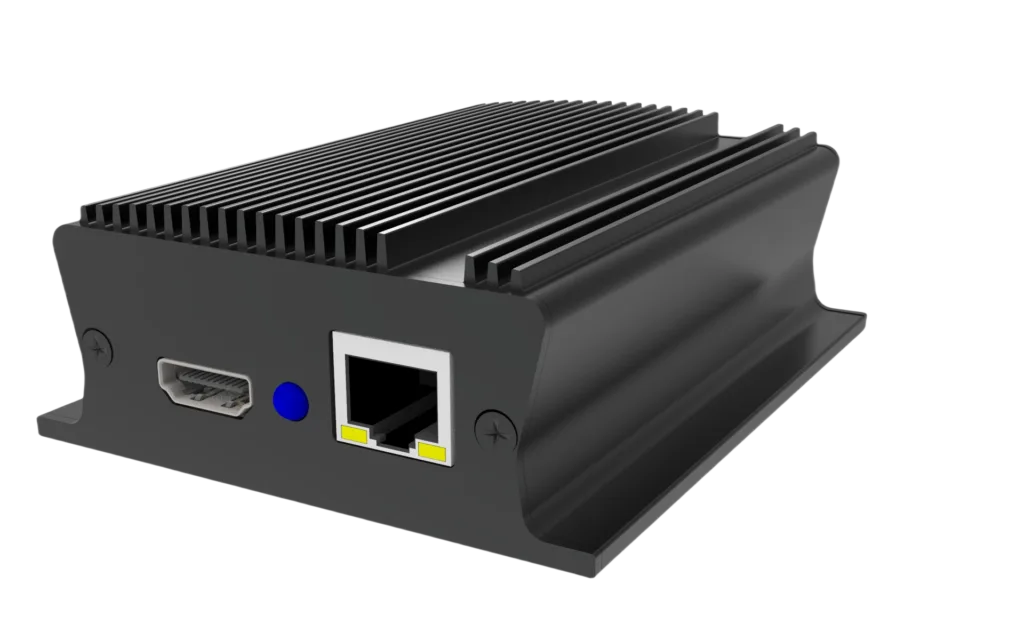
I balance protection, machining, and assembly from the first sample
Many engineers ask for IP67, good heat dissipation, fast delivery, and low cost at the same time. This is possible in some projects, but it needs careful choices. A waterproof design may need more screws and a wider sealing surface. A heat-focused design may need direct contact between hot components and the aluminum wall. A connector-heavy design may need more CNC operations.
For smart sensors, renewable energy monitors, EV charging accessories, and edge computing boxes, I usually start with the most important risk. If the device goes outdoors, I check sealing first. If the device has a hot power module, I check heat path first. If the device has many cables, I check connector layout first.
| Risk before pilot build | Practical design choice | Supplier question to ask |
|---|---|---|
| Water ingress | Flat gasket land and correct screw pitch | Can you review the sealing surface? |
| Heat buildup | Aluminum wall contact or heat spreader area | Can the housing support thermal contact? |
| EMC concern | Bare metal contact at grounding points | Can anodizing be masked where needed? |
| CNC delay | Fewer setups and standard tool sizes | Can we simplify the cutouts? |
| Assembly error | Clear screw access and marking | Can you provide assembly feedback? |
NEMA explains that enclosure environmental protection is more than a simple waterproof word, and its enclosure types guidance is useful when engineers compare outdoor requirements. For electronics that include connected sensors or controllers, NIST also discusses cyber-physical and IoT systems through its Cyber-Physical Systems and Internet of Things program, which shows why more hardware is now being placed near machines, power systems, and field equipment.
This trend is one reason small-batch custom aluminum enclosures are important. Product teams want to test a real enclosure quickly, but they also want the option to improve it. A standard extruded aluminum enclosure with CNC machined end plates is often a good starting point. It keeps the structure stable, shortens development time, and still leaves room for connectors, logos, vents, grounding points, and sealing changes.
Conclusion
Small-batch custom aluminum enclosures help engineers test real design details early, reduce pilot build risk, and move from prototype to production with more confidence.