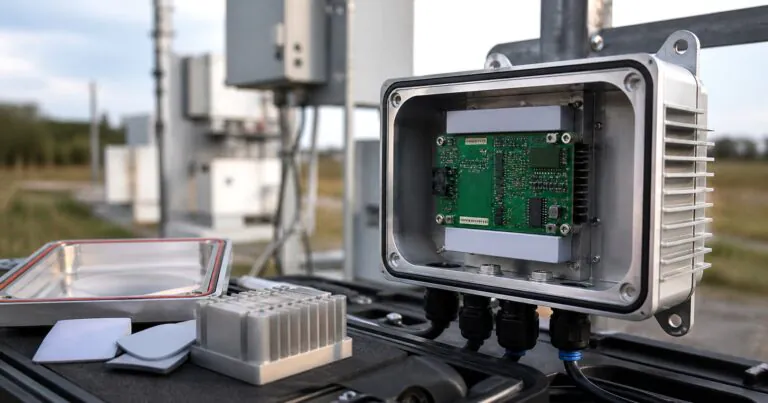
Waterproof Aluminum Enclosure Heat Dissipation: How Can Engineers Keep Sealed Outdoor IoT Devices Cool?
Sealed devices trap heat. Extra heat shortens component life and delays IP testing. I solve this by planning waterproof aluminum enclosure heat dissipation early.
Waterproof aluminum enclosure heat dissipation works best when engineers create a clear heat path from hot components to the aluminum body while protecting gaskets, cable entries, and IP67 or IP68 sealing surfaces.
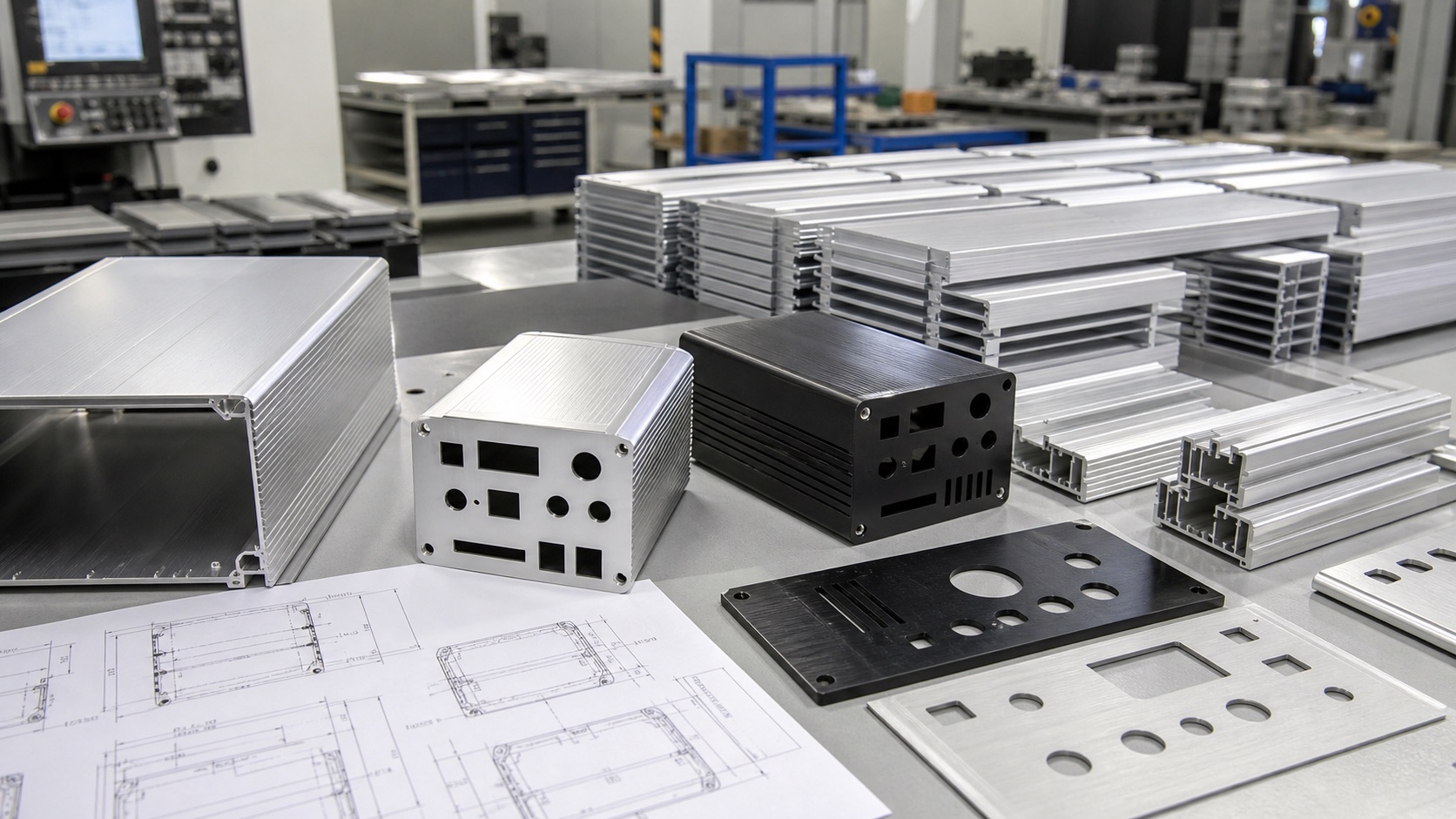
I see this problem more often now because outdoor IoT gateways, smart sensors, renewable energy monitors, and edge AI boxes are becoming smaller and more powerful. Jeff may need a sealed enclosure, but his PCB may also include power modules, wireless modules, and processors. If we only think about waterproof protection, the device may pass water testing but run too hot in the field. In this guide, I will explain how I think about heat, sealing, CNC machining, and lead time together.
Why Does Waterproof Aluminum Enclosure Heat Dissipation Become Harder in Sealed Designs?
Sealed enclosures block airflow. Heat stays inside and raises component temperature. A direct conduction path to the aluminum body reduces this risk.
Waterproof aluminum enclosure heat dissipation becomes harder because IP-rated housings limit vents, fans, and open airflow. Engineers should move heat through metal contact, enclosure walls, fins, and controlled mounting surfaces.
Start With the Heat Source
When I review a sealed enclosure project, I first ask Jeff where the heat comes from. A sensor board may only produce a little heat. A 4G router, motor driver, PoE module, edge AI board, or DC power converter can produce much more. The enclosure design should not treat these projects the same way.
In an open indoor box, warm air can move out through vents. In a waterproof aluminum enclosure, vents are usually limited or removed. This means the heat must travel by conduction first. The hot part should connect to the aluminum case through a thermal pad, a machined boss, a heat spreader plate, or a mounting surface. The aluminum body then spreads heat to the outside air.
Outdoor electronics can also receive heat from the sun. A study on cooling solutions for outdoor electronics shows why solar load and sealed air can make thermal design difficult. I see the same problem in real projects. A black anodized enclosure may look clean, but it can absorb more heat outdoors than a light surface. In this case, I may discuss finish color, mounting direction, and enclosure size before CNC machining starts.
| Design Question | Risk If Ignored | Practical Choice |
|---|---|---|
| Which component is hottest? | Heat spreads slowly and damages nearby parts | Mark the power module or processor in the 3D file |
| Is the enclosure sealed? | No airflow path is available | Use conduction to the aluminum body |
| Is the device in sunlight? | Internal temperature rises faster | Consider light color, shade, or larger surface area |
| Is the PCB floating? | Heat stays on the board | Add thermal pads, bosses, or a metal heat plate |
| Is the case too small? | Surface area is not enough | Review size before sample machining |
For PUMAYCASE, this is where custom aluminum enclosure solutions can help. I do not only look at the outside size. I also check the internal stack height, screw boss position, PCB direction, and the flat areas that can touch thermal pads. A small change before the first sample can save a full redesign later.
How Can CNC Machining Improve Heat Transfer in a Waterproof Aluminum Enclosure?
Standard boxes may not touch hot parts well. Poor contact creates thermal resistance. CNC machining can create accurate heat-transfer features.
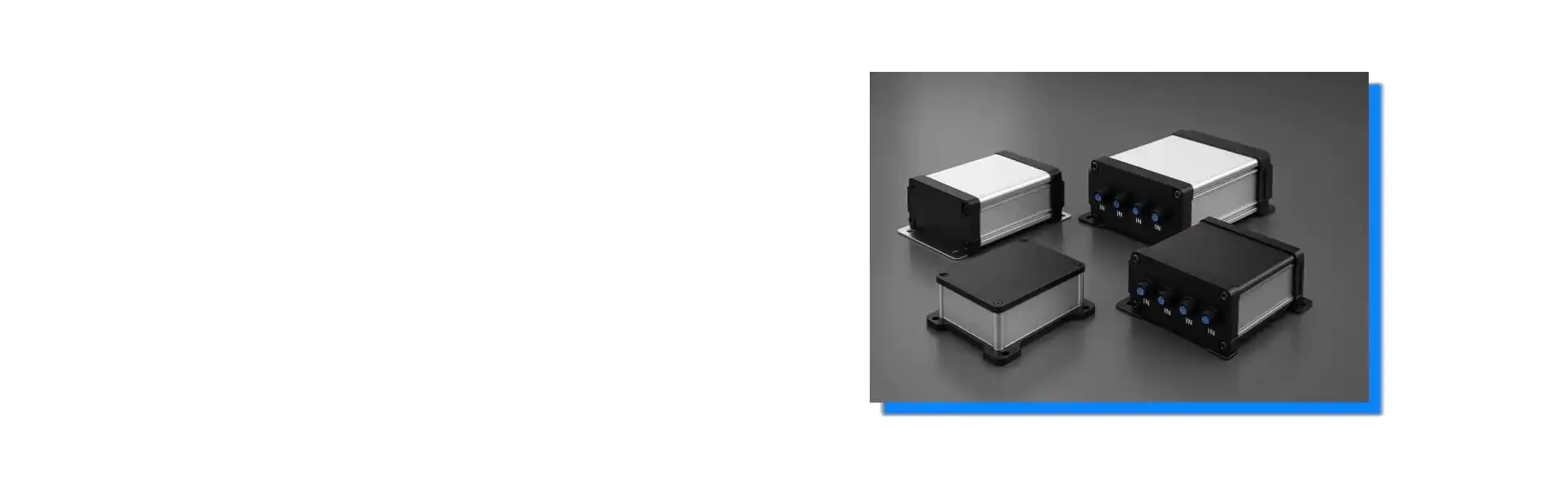
CNC machining improves heat transfer by adding flat contact areas, bosses, pockets, heat spreader seats, and connector cutouts without breaking the waterproof sealing path.
Contact Area Matters More Than Decoration
I often receive drawings where the outside of the enclosure looks finished, but the inside has no real heat path. The hot component sits several millimeters away from the aluminum wall. The team hopes the air gap will be enough. In a sealed housing, this is risky.
CNC machining allows us to make useful internal details. We can machine a flat pad inside the enclosure for a thermal interface material. We can add a raised boss under a power module. We can open a pocket for a thicker heat spreader. We can also control the end plate holes so connectors and cable glands stay away from the gasket path. These details help heat move out while keeping the enclosure practical to assemble.
The key is to separate thermal features from sealing features. A thermal boss should not weaken the gasket groove. A large CNC pocket should not make the wall too thin near an IP sealing face. A connector hole should not sit so close to a heat pad that the locknut blocks assembly. The IEC 60529 standard page explains IP protection as an enclosure performance topic, but CNC details decide whether the real assembly can reach the target.
| CNC Feature | Thermal Benefit | Waterproof Check |
|---|---|---|
| Internal flat pad | Improves thermal pad contact | Keep away from gasket groove |
| Raised boss | Reduces gap to hot component | Confirm PCB height tolerance |
| Heat spreader pocket | Holds aluminum or copper plate | Avoid thin walls near screw holes |
| External fins | Adds surface area | Avoid water traps and cleaning issues |
| Machined end plate | Supports connectors and glands | Deburr holes and protect washer seats |
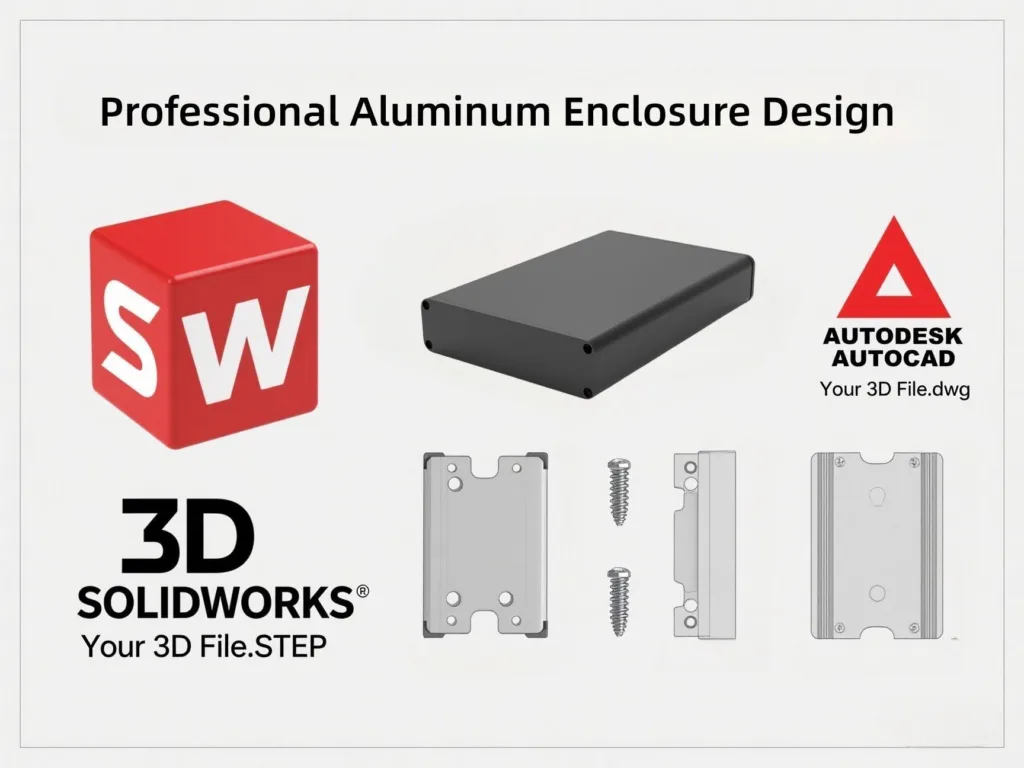
At PUMAYCASE, I usually ask for the STEP file, PCB height, main heat source, target IP rating, and expected surface finish. This helps us prepare CNC aluminum enclosure machining that supports both thermal performance and assembly. If Jeff only sends a 2D hole drawing, we can still quote, but we may miss the heat path. If he sends the board position and heat source, we can give more useful engineering feedback.
This is also important for lead time. CNC changes after anodizing are painful. A new hole or pocket may break the finish and force a new sample. A clear thermal plan before machining keeps the sample closer to production and helps the buyer approve the enclosure faster.
How Should Engineers Balance IP67 or IP68 Sealing With Heat Dissipation?
High protection can fight heat removal. Late changes can hurt both sealing and cooling. A balanced design sets limits before prototyping.
Engineers should balance IP67 or IP68 sealing with heat dissipation by defining the heat load, IP test target, gasket design, cable entry layout, finish, and mounting direction together.
Do Not Treat IP Rating as a Sticker
Some buyers ask for IP68 first, then share the electronics later. I understand why. Outdoor products need protection. But IP rating is not a sticker that we add at the end. It is connected to gasket compression, screw spacing, cable glands, connector washers, surface finish, and assembly control.
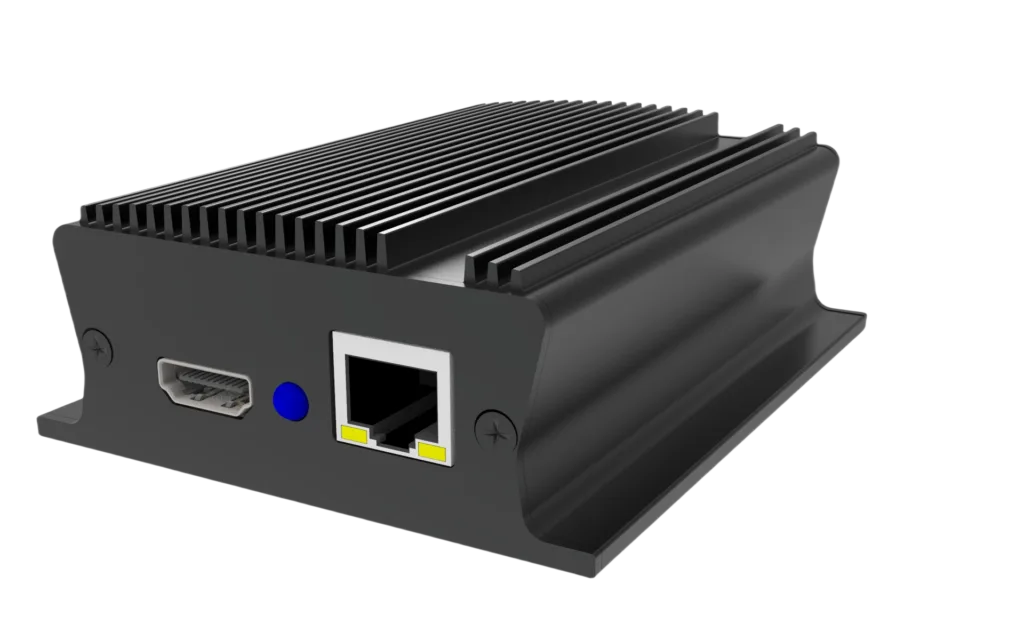
Heat dissipation adds another layer. If the enclosure needs vents, the vent must be selected carefully and tested with the final assembly. If the design uses external fins, the fins should not trap standing water or make cleaning difficult. If the design uses a thermal pad to the cover, the cover screws must compress both the gasket and the thermal interface in a stable way. This is why I prefer to review the whole enclosure as a system.
For buyers in North America, NEMA enclosure environmental standards can also help teams think about rain, dust, corrosion, and outdoor service conditions. For industrial IoT projects, the growth of connected manufacturing systems described by NIST manufacturing IoT resources also explains why more electronics are moving closer to machines, outdoor assets, and field data points.
| Requirement | What Jeff Should Define | Supplier Question I Ask |
|---|---|---|
| IP67 or IP68 | Test depth, test time, and final assembly state | Will cables and labels be installed during testing? |
| Heat load | Main wattage and hot component position | Which part cannot exceed its temperature limit? |
| Finish | Anodizing color or powder coating | Is the unit installed under direct sun? |
| Mounting | Wall, pole, machine, or DIN support | Which face points upward in the field? |
| Service access | Cover removal and cable maintenance | Can a technician open it without damaging seals? |
I also think about small-batch production. Many outdoor IoT projects start with 20, 50, or 100 units before the design becomes stable. In this stage, the enclosure must be easy to modify, but it cannot be careless. Standard extruded aluminum bodies and CNC-machined end plates are useful because they reduce tooling risk and keep customization fast. PUMAYCASE can support waterproof aluminum enclosures with machining, anodizing, laser marking, silk screen printing, and assembly support.
My practical advice is simple. Do not wait for the first failed thermal test or water test. Share the heat source, IP target, cable gland data, PCB position, and mounting direction before the sample. A good supplier can then suggest a better wall, cover, boss, gasket, or finish before the schedule becomes tight.
Conclusion
Waterproof aluminum enclosure heat dissipation works when Jeff plans heat paths, CNC details, IP sealing, and outdoor installation as one engineering system.