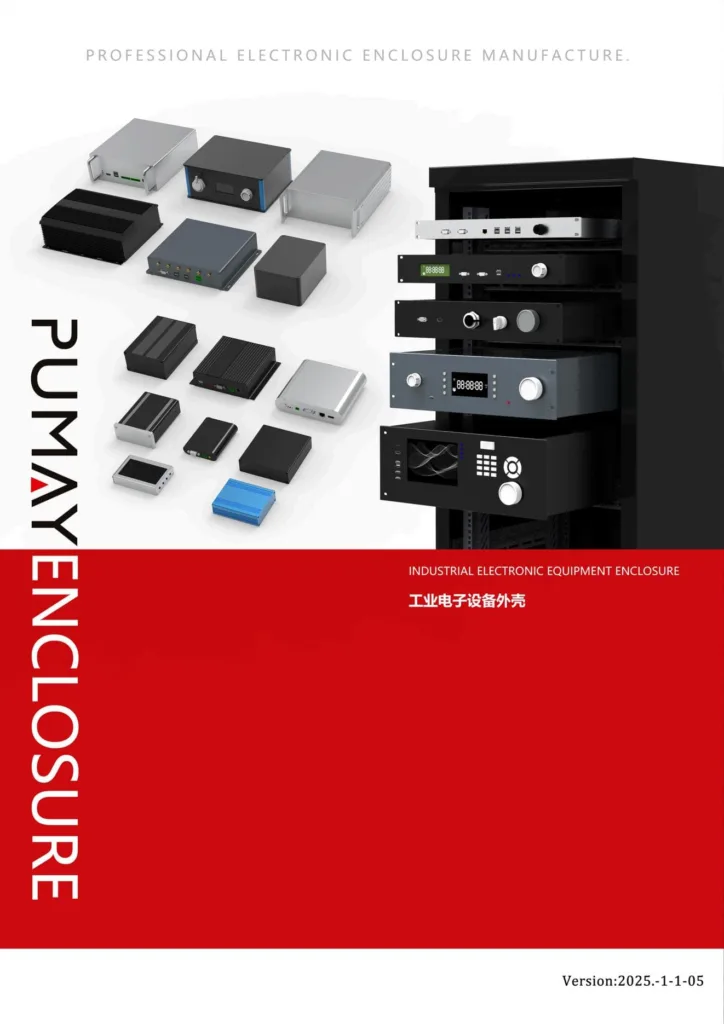
Export Controls for Industrial Electronics: What Should Enclosure Buyers Prepare Early?
Engineers often focus on PCB layout first. But enclosure risk can delay testing, shipping, and launch. I use a simple review flow to reduce that risk.
For industrial electronics export enclosure, buyers should check structure, machining, surface finish, protection level, and supplier communication before ordering. This is especially important for global launches with tighter compliance and faster prototype cycles.
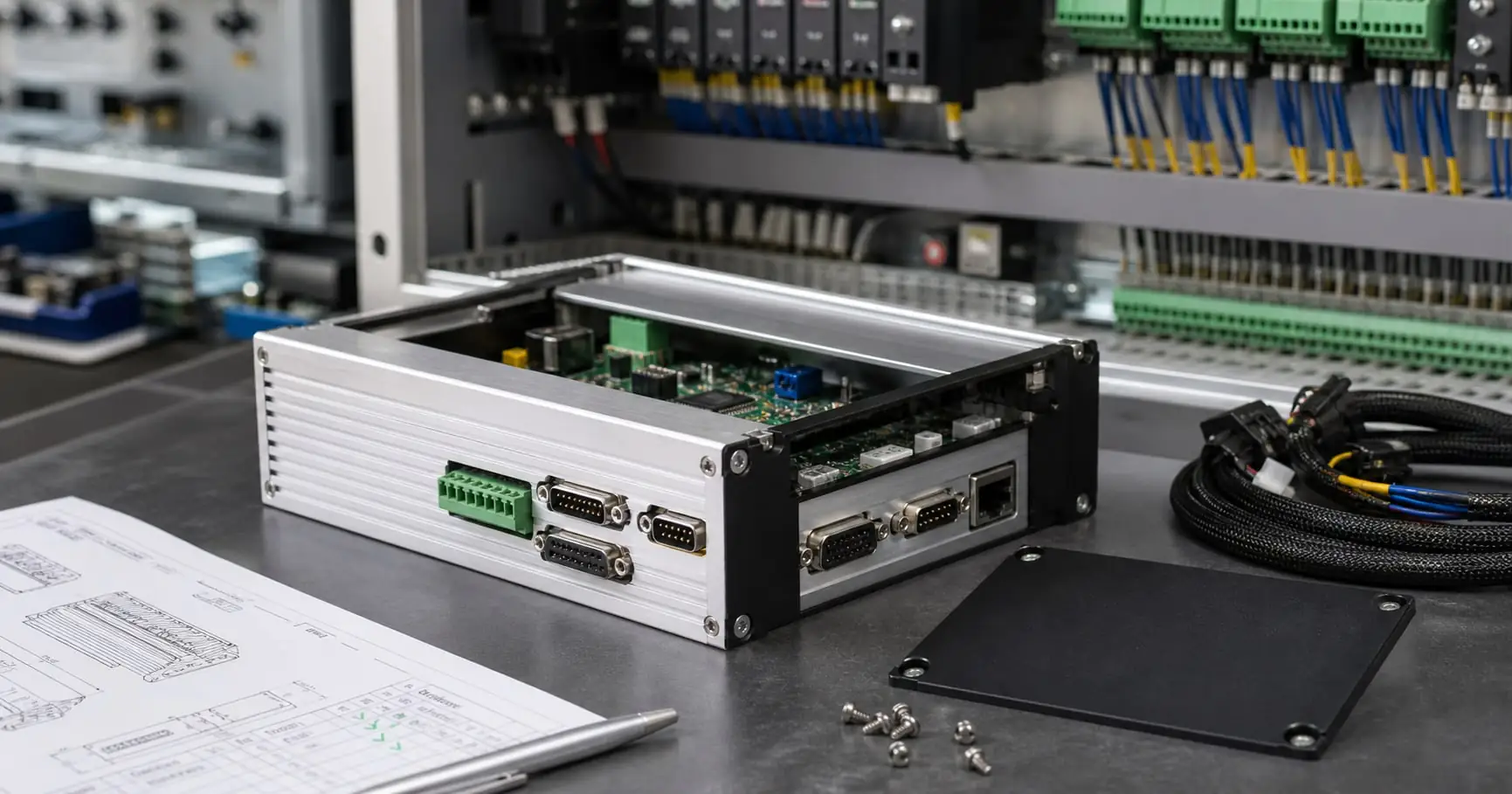
Table of contents
- What problem should engineers solve first?
- Which enclosure details affect production risk?
- How should buyers prepare the RFQ package?
- Engineering Review Checklist
- Technical Notes and References
What problem should engineers solve first?
A weak enclosure decision creates late changes. Late changes affect PCB position, connector fit, gasket pressure, and delivery. I start with the real use environment.
Engineers should define installation position, heat source, cable direction, sealing target, and service method before choosing or customizing an aluminum enclosure.
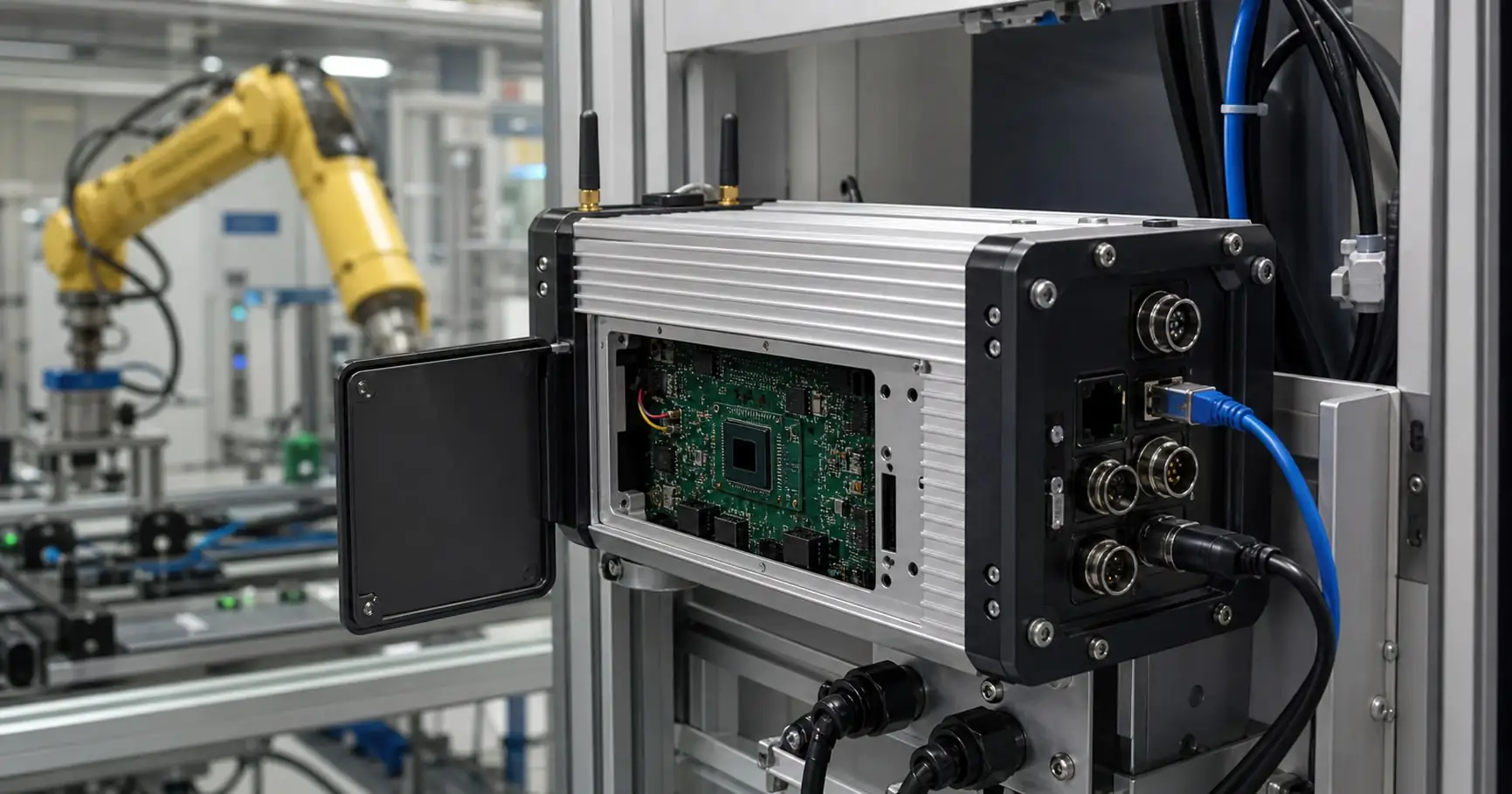
In my daily work at PUMAYCASE, I see one common pattern. A team sends a PCB drawing and asks for a fast enclosure quote. The PCB usually looks clear. But the real use condition is still missing. I need to know whether the device will sit inside a cabinet, hang on a wall, work outdoors, or travel in a vehicle. These details change the enclosure structure.
For instrumentation electronics shipped across borders, the first risk is not always the aluminum profile. The first risk is the mismatch between the product idea and the field condition. A simple indoor case may not need a high IP rating. But an outdoor or mobile device may need gasket sealing, waterproof connectors, stable screw compression, and a stronger surface finish. A compact device may also need heat transfer through the enclosure wall.
First design filter
| Question | Why it matters | What I ask Jeff to prepare |
|---|---|---|
| Where will the device work? | It affects IP rating and surface finish. | Indoor, outdoor, cabinet, vehicle, or portable use. |
| How much heat is inside? | It affects wall thickness and contact area. | Main heat source, power level, and expected temperature. |
| Which cables enter the case? | It affects CNC holes and sealing. | Connector models, cable direction, and gland size. |
| How fast is the prototype needed? | It affects the best manufacturing route. | Target sample date and expected batch size. |
PUMAYCASE can start from custom aluminum enclosure solutions and then adjust the profile, end plates, holes, color, marking, and assembly method. This saves time when the project needs speed but still needs technical control.
Which enclosure details affect production risk?
Small enclosure details can create large production problems. If machining, sealing, and finish are reviewed late, the supplier may quote fast but deliver slowly.
The highest-risk details are connector cutouts, gasket compression, screw bosses, tolerance stack-up, anodizing requirements, grounding points, and packing protection.
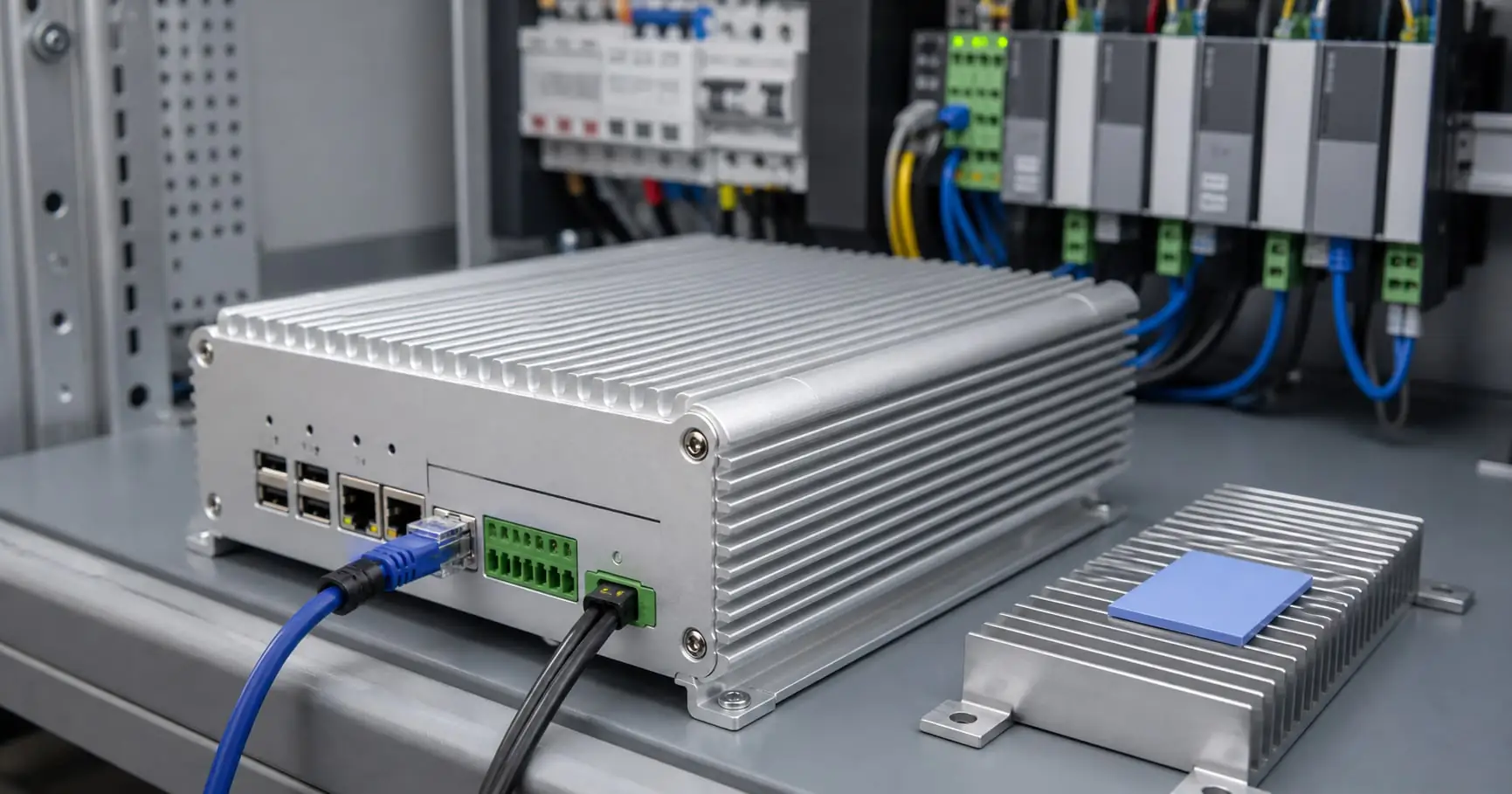
A good enclosure drawing should help the factory make the part and help the engineer check the part. I prefer clear 2D drawings for holes and tolerances, plus 3D files for assembly review. If the drawing only shows appearance, the supplier may miss the real control points.
For industrial electronics export enclosure, I pay special attention to product documentation, HS code review, technical drawings, and supplier communication. These points look small on a drawing. But they affect assembly yield and customer confidence. For example, a connector hole may pass size inspection but still fail assembly because the nut clearance is too small. A gasket groove may look correct but fail after anodizing because the surface or groove tolerance changed. A label may look fine in PDF but become too small after laser marking on a black anodized panel.
Production risk map
| Detail | Common failure | Better practice |
|---|---|---|
| CNC cutouts | Connector cannot fit or rotate. | Check connector datasheet and nut clearance. |
| End plate sealing | Water enters from uneven pressure. | Review gasket groove, screw spacing, and torque path. |
| Anodizing | Color mismatch or poor scratch resistance. | Define finish, color, gloss, and cosmetic surface. |
| Grounding | EMC performance is unstable. | Keep a conductive contact area where needed. |
| Packing | Surface damage during shipment. | Use film, foam, carton, and pallet rules. |
For waterproof work, engineers can use the IEC overview of IP code principles as a reference. For aluminum material discussion, I often compare alloy and temper choices with standard material data such as MatWeb aluminum property references.
How should buyers prepare the RFQ package?
An unclear RFQ creates back-and-forth messages. This wastes engineering time and may push the sample date. A complete RFQ makes customization faster.
A strong enclosure RFQ should include 2D drawings, 3D files, PCB size, connector data, finish requirement, IP target, quantity, and required lead time.
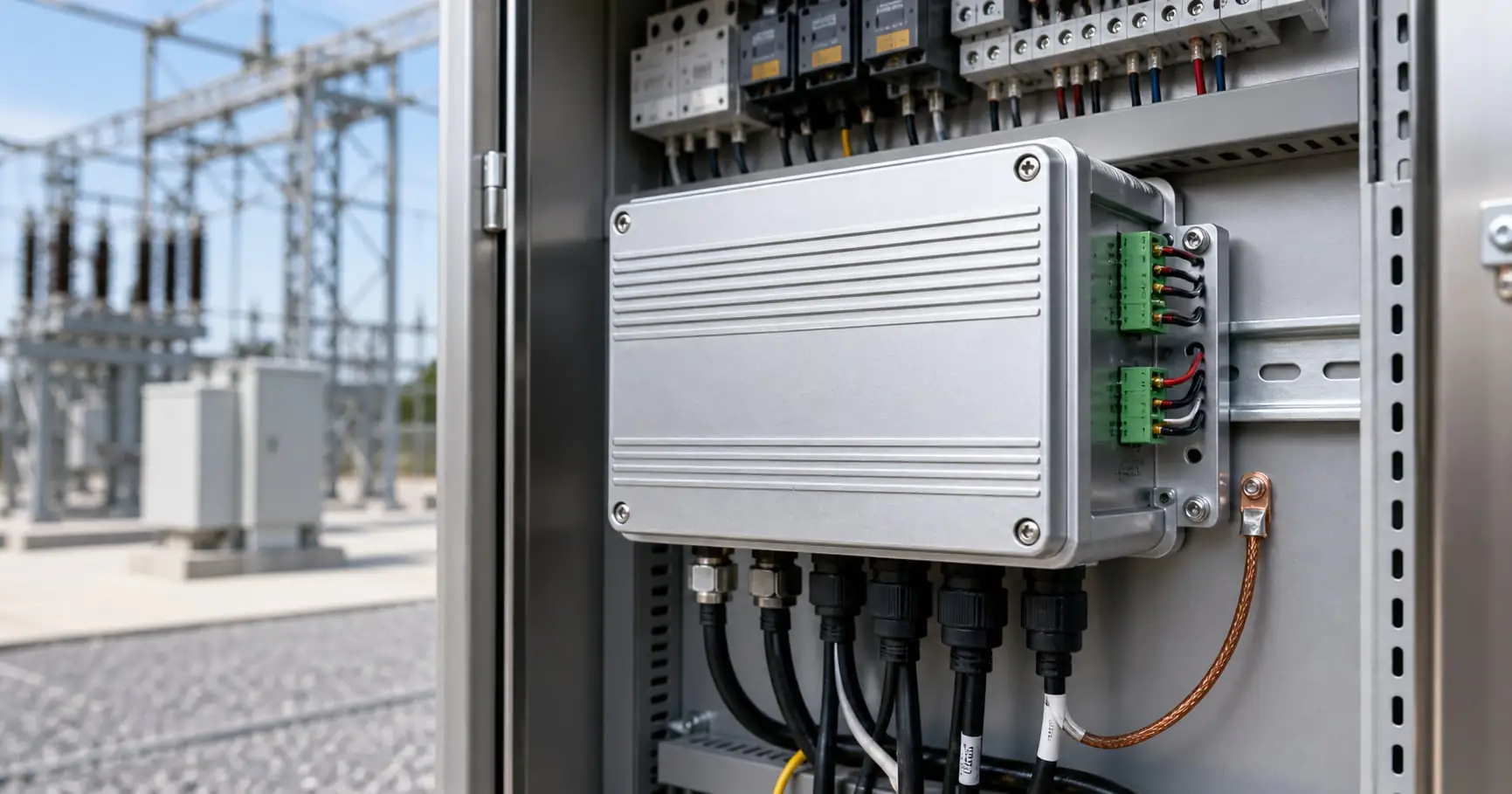
When Jeff sends me a project, I do not only check the outside size. I check whether the enclosure can be made, assembled, finished, packed, and repeated. This is why clear RFQ data matters. If the first message includes all key files, we can usually give engineering feedback within 24 hours. If the files are incomplete, the quotation may look fast but the real project will slow down later.
For prototype and small-batch work, I suggest starting with standard extrusion when possible. Then we machine the end plates, side walls, or internal details by CNC. This keeps cost under control and still allows connector holes, countersinks, threaded holes, display windows, logos, and surface finish. If the project needs special waterproof or EMC performance, we should review those needs before the first sample.
RFQ file checklist
| File or data | Minimum requirement | Why I need it |
|---|---|---|
| 3D file | STEP format preferred. | I check fit, interference, and machining access. |
| 2D drawing | Hole size, tolerance, and surface notes. | The factory uses it for inspection. |
| PCB layout | Board size and key component height. | It controls internal clearance and mounting. |
| Connector datasheet | Thread, nut, washer, and cable direction. | It prevents panel assembly problems. |
| Finish note | Anodizing color, brushing, printing, marking. | It prevents appearance and durability disputes. |
| Quantity and date | Prototype and batch forecast. | It helps me choose the right process route. |
If the project needs machining support, our CNC aluminum enclosure machining service can combine drilling, milling, tapping, countersinking, anodizing, silk screen printing, laser marking, and assembly review in one supplier workflow.
Engineering Review Checklist
Many indexing problems come from thin content and weak usefulness. A practical checklist helps engineers act faster. I add this section for real buyer decisions.
Use this checklist before sending the enclosure drawing to any supplier. It helps reduce tolerance mismatch, unclear quotation, and late prototype rework.
| Review item | Confirmed? | Notes for supplier |
|---|---|---|
| Installation environment is clear | Indoor, outdoor, cabinet, mobile, or handheld. | |
| IP target is defined | IP54, IP65, IP67, or IP68 if needed. | |
| Heat source is identified | Power component, PCB hotspot, or RF module. | |
| CNC features are dimensioned | Holes, slots, countersinks, threads, windows. | |
| Surface finish is specified | Natural, black, color anodizing, brushed, printed. | |
| Assembly sequence is checked | PCB mounting, connector nuts, gasket, screws. | |
| Packaging needs are clear | Film, foam, carton, pallet, export label. |
Technical Notes and References
Technical claims need support. But buyers also need supplier experience. I combine public references with practical enclosure manufacturing notes here.
These notes support decisions on IP protection, CNC manufacturing, aluminum material, EMC, and shipping preparation for industrial electronics enclosures.
- IEC explains the basic meaning of ingress protection codes in its IP ratings reference.
- NIST provides useful background on smart manufacturing systems, which helps explain why compact industrial electronics need reliable enclosures.
- The U.S. Bureau of Industry and Security publishes official export control guidance, which buyers can review when products include controlled electronics or instrumentation features.
- For practical enclosure procurement, I suggest linking drawings, connector datasheets, finish requirements, and target lead time in one RFQ email.
PUMAYCASE supports waterproof aluminum enclosures, extruded aluminum enclosures, CNC machining, anodizing, laser marking, silk screen printing, and small-batch assembly support. I can review drawings and give practical feedback before the enclosure design becomes expensive to change.
Conclusion
A stronger industrial electronics export enclosure article should help engineers make decisions, not only read keywords. This upgrade gives buyers clearer checks before RFQ and production.
Export Controls for Industrial Electronics: What Should Enclosure Buyers Prepare Early?
Engineers often focus on PCB layout first. But enclosure risk can delay testing, shipping, and launch. I use a simple review flow to reduce that risk.
For industrial electronics export enclosure, buyers should check structure, machining, surface finish, protection level, and supplier communication before ordering. This is especially important for global launches with tighter compliance and faster prototype cycles.
Table of contents
- What problem should engineers solve first?
- Which enclosure details affect production risk?
- How should buyers prepare the RFQ package?
- Engineering Review Checklist
- Technical Notes and References
What problem should engineers solve first?
A weak enclosure decision creates late changes. Late changes affect PCB position, connector fit, gasket pressure, and delivery. I start with the real use environment.
Engineers should define installation position, heat source, cable direction, sealing target, and service method before choosing or customizing an aluminum enclosure.
In my daily work at PUMAYCASE, I see one common pattern. A team sends a PCB drawing and asks for a fast enclosure quote. The PCB usually looks clear. But the real use condition is still missing. I need to know whether the device will sit inside a cabinet, hang on a wall, work outdoors, or travel in a vehicle. These details change the enclosure structure.
For instrumentation electronics shipped across borders, the first risk is not always the aluminum profile. The first risk is the mismatch between the product idea and the field condition. A simple indoor case may not need a high IP rating. But an outdoor or mobile device may need gasket sealing, waterproof connectors, stable screw compression, and a stronger surface finish. A compact device may also need heat transfer through the enclosure wall.
First design filter
| Question | Why it matters | What I ask Jeff to prepare |
|---|---|---|
| Where will the device work? | It affects IP rating and surface finish. | Indoor, outdoor, cabinet, vehicle, or portable use. |
| How much heat is inside? | It affects wall thickness and contact area. | Main heat source, power level, and expected temperature. |
| Which cables enter the case? | It affects CNC holes and sealing. | Connector models, cable direction, and gland size. |
| How fast is the prototype needed? | It affects the best manufacturing route. | Target sample date and expected batch size. |
PUMAYCASE can start from custom aluminum enclosure solutions and then adjust the profile, end plates, holes, color, marking, and assembly method. This saves time when the project needs speed but still needs technical control.
Which enclosure details affect production risk?
Small enclosure details can create large production problems. If machining, sealing, and finish are reviewed late, the supplier may quote fast but deliver slowly.
The highest-risk details are connector cutouts, gasket compression, screw bosses, tolerance stack-up, anodizing requirements, grounding points, and packing protection.
A good enclosure drawing should help the factory make the part and help the engineer check the part. I prefer clear 2D drawings for holes and tolerances, plus 3D files for assembly review. If the drawing only shows appearance, the supplier may miss the real control points.
For industrial electronics export enclosure, I pay special attention to product documentation, HS code review, technical drawings, and supplier communication. These points look small on a drawing. But they affect assembly yield and customer confidence. For example, a connector hole may pass size inspection but still fail assembly because the nut clearance is too small. A gasket groove may look correct but fail after anodizing because the surface or groove tolerance changed. A label may look fine in PDF but become too small after laser marking on a black anodized panel.
Production risk map
| Detail | Common failure | Better practice |
|---|---|---|
| CNC cutouts | Connector cannot fit or rotate. | Check connector datasheet and nut clearance. |
| End plate sealing | Water enters from uneven pressure. | Review gasket groove, screw spacing, and torque path. |
| Anodizing | Color mismatch or poor scratch resistance. | Define finish, color, gloss, and cosmetic surface. |
| Grounding | EMC performance is unstable. | Keep a conductive contact area where needed. |
| Packing | Surface damage during shipment. | Use film, foam, carton, and pallet rules. |
For waterproof work, engineers can use the IEC overview of IP code principles as a reference. For aluminum material discussion, I often compare alloy and temper choices with standard material data such as MatWeb aluminum property references.
How should buyers prepare the RFQ package?
An unclear RFQ creates back-and-forth messages. This wastes engineering time and may push the sample date. A complete RFQ makes customization faster.
A strong enclosure RFQ should include 2D drawings, 3D files, PCB size, connector data, finish requirement, IP target, quantity, and required lead time.
When Jeff sends me a project, I do not only check the outside size. I check whether the enclosure can be made, assembled, finished, packed, and repeated. This is why clear RFQ data matters. If the first message includes all key files, we can usually give engineering feedback within 24 hours. If the files are incomplete, the quotation may look fast but the real project will slow down later.
For prototype and small-batch work, I suggest starting with standard extrusion when possible. Then we machine the end plates, side walls, or internal details by CNC. This keeps cost under control and still allows connector holes, countersinks, threaded holes, display windows, logos, and surface finish. If the project needs special waterproof or EMC performance, we should review those needs before the first sample.
RFQ file checklist
| File or data | Minimum requirement | Why I need it |
|---|---|---|
| 3D file | STEP format preferred. | I check fit, interference, and machining access. |
| 2D drawing | Hole size, tolerance, and surface notes. | The factory uses it for inspection. |
| PCB layout | Board size and key component height. | It controls internal clearance and mounting. |
| Connector datasheet | Thread, nut, washer, and cable direction. | It prevents panel assembly problems. |
| Finish note | Anodizing color, brushing, printing, marking. | It prevents appearance and durability disputes. |
| Quantity and date | Prototype and batch forecast. | It helps me choose the right process route. |
If the project needs machining support, our CNC aluminum enclosure machining service can combine drilling, milling, tapping, countersinking, anodizing, silk screen printing, laser marking, and assembly review in one supplier workflow.
Engineering Review Checklist
Many indexing problems come from thin content and weak usefulness. A practical checklist helps engineers act faster. I add this section for real buyer decisions.
Use this checklist before sending the enclosure drawing to any supplier. It helps reduce tolerance mismatch, unclear quotation, and late prototype rework.
| Review item | Confirmed? | Notes for supplier |
|---|---|---|
| Installation environment is clear | Indoor, outdoor, cabinet, mobile, or handheld. | |
| IP target is defined | IP54, IP65, IP67, or IP68 if needed. | |
| Heat source is identified | Power component, PCB hotspot, or RF module. | |
| CNC features are dimensioned | Holes, slots, countersinks, threads, windows. | |
| Surface finish is specified | Natural, black, color anodizing, brushed, printed. | |
| Assembly sequence is checked | PCB mounting, connector nuts, gasket, screws. | |
| Packaging needs are clear | Film, foam, carton, pallet, export label. |
Technical Notes and References
Technical claims need support. But buyers also need supplier experience. I combine public references with practical enclosure manufacturing notes here.
These notes support decisions on IP protection, CNC manufacturing, aluminum material, EMC, and shipping preparation for industrial electronics enclosures.
- IEC explains the basic meaning of ingress protection codes in its IP ratings reference.
- NIST provides useful background on smart manufacturing systems, which helps explain why compact industrial electronics need reliable enclosures.
- The U.S. Bureau of Industry and Security publishes official export control guidance, which buyers can review when products include controlled electronics or instrumentation features.
- For practical enclosure procurement, I suggest linking drawings, connector datasheets, finish requirements, and target lead time in one RFQ email.
PUMAYCASE supports waterproof aluminum enclosures, extruded aluminum enclosures, CNC machining, anodizing, laser marking, silk screen printing, and small-batch assembly support. I can review drawings and give practical feedback before the enclosure design becomes expensive to change.
Conclusion
A stronger industrial electronics export enclosure article should help engineers make decisions, not only read keywords. This upgrade gives buyers clearer checks before RFQ and production.
Export Controls for Industrial Electronics: What Should Enclosure Buyers Prepare Early?
Engineers often focus on PCB layout first. But enclosure risk can delay testing, shipping, and launch. I use a simple review flow to reduce that risk.
For industrial electronics export enclosure, buyers should check structure, machining, surface finish, protection level, and supplier communication before ordering. This is especially important for global launches with tighter compliance and faster prototype cycles.
%industrial electronics export enclosure for instrumentation electronics shipped across borders
Table of contents
- What problem should engineers solve first?
- Which enclosure details affect production risk?
- How should buyers prepare the RFQ package?
- Engineering Review Checklist
- Technical Notes and References
What problem should engineers solve first?
A weak enclosure decision creates late changes. Late changes affect PCB position, connector fit, gasket pressure, and delivery. I start with the real use environment.
Engineers should define installation position, heat source, cable direction, sealing target, and service method before choosing or customizing an aluminum enclosure.
In my daily work at PUMAYCASE, I see one common pattern. A team sends a PCB drawing and asks for a fast enclosure quote. The PCB usually looks clear. But the real use condition is still missing. I need to know whether the device will sit inside a cabinet, hang on a wall, work outdoors, or travel in a vehicle. These details change the enclosure structure.
For instrumentation electronics shipped across borders, the first risk is not always the aluminum profile. The first risk is the mismatch between the product idea and the field condition. A simple indoor case may not need a high IP rating. But an outdoor or mobile device may need gasket sealing, waterproof connectors, stable screw compression, and a stronger surface finish. A compact device may also need heat transfer through the enclosure wall.
First design filter
| Question | Why it matters | What I ask Jeff to prepare |
|---|---|---|
| Where will the device work? | It affects IP rating and surface finish. | Indoor, outdoor, cabinet, vehicle, or portable use. |
| How much heat is inside? | It affects wall thickness and contact area. | Main heat source, power level, and expected temperature. |
| Which cables enter the case? | It affects CNC holes and sealing. | Connector models, cable direction, and gland size. |
| How fast is the prototype needed? | It affects the best manufacturing route. | Target sample date and expected batch size. |
PUMAYCASE can start from custom aluminum enclosure solutions and then adjust the profile, end plates, holes, color, marking, and assembly method. This saves time when the project needs speed but still needs technical control.
Which enclosure details affect production risk?
Small enclosure details can create large production problems. If machining, sealing, and finish are reviewed late, the supplier may quote fast but deliver slowly.
The highest-risk details are connector cutouts, gasket compression, screw bosses, tolerance stack-up, anodizing requirements, grounding points, and packing protection.
%CNC machined industrial electronics export enclosure details for production review
A good enclosure drawing should help the factory make the part and help the engineer check the part. I prefer clear 2D drawings for holes and tolerances, plus 3D files for assembly review. If the drawing only shows appearance, the supplier may miss the real control points.
For industrial electronics export enclosure, I pay special attention to product documentation, HS code review, technical drawings, and supplier communication. These points look small on a drawing. But they affect assembly yield and customer confidence. For example, a connector hole may pass size inspection but still fail assembly because the nut clearance is too small. A gasket groove may look correct but fail after anodizing because the surface or groove tolerance changed. A label may look fine in PDF but become too small after laser marking on a black anodized panel.
Production risk map
| Detail | Common failure | Better practice |
|---|---|---|
| CNC cutouts | Connector cannot fit or rotate. | Check connector datasheet and nut clearance. |
| End plate sealing | Water enters from uneven pressure. | Review gasket groove, screw spacing, and torque path. |
| Anodizing | Color mismatch or poor scratch resistance. | Define finish, color, gloss, and cosmetic surface. |
| Grounding | EMC performance is unstable. | Keep a conductive contact area where needed. |
| Packing | Surface damage during shipment. | Use film, foam, carton, and pallet rules. |
For waterproof work, engineers can use the IEC overview of IP code principles as a reference. For aluminum material discussion, I often compare alloy and temper choices with standard material data such as MatWeb aluminum property references.
How should buyers prepare the RFQ package?
An unclear RFQ creates back-and-forth messages. This wastes engineering time and may push the sample date. A complete RFQ makes customization faster.
A strong enclosure RFQ should include 2D drawings, 3D files, PCB size, connector data, finish requirement, IP target, quantity, and required lead time.
%RFQ package for industrial electronics export enclosure with drawings and enclosure samples
When Jeff sends me a project, I do not only check the outside size. I check whether the enclosure can be made, assembled, finished, packed, and repeated. This is why clear RFQ data matters. If the first message includes all key files, we can usually give engineering feedback within 24 hours. If the files are incomplete, the quotation may look fast but the real project will slow down later.
For prototype and small-batch work, I suggest starting with standard extrusion when possible. Then we machine the end plates, side walls, or internal details by CNC. This keeps cost under control and still allows connector holes, countersinks, threaded holes, display windows, logos, and surface finish. If the project needs special waterproof or EMC performance, we should review those needs before the first sample.
RFQ file checklist
| File or data | Minimum requirement | Why I need it |
|---|---|---|
| 3D file | STEP format preferred. | I check fit, interference, and machining access. |
| 2D drawing | Hole size, tolerance, and surface notes. | The factory uses it for inspection. |
| PCB layout | Board size and key component height. | It controls internal clearance and mounting. |
| Connector datasheet | Thread, nut, washer, and cable direction. | It prevents panel assembly problems. |
| Finish note | Anodizing color, brushing, printing, marking. | It prevents appearance and durability disputes. |
| Quantity and date | Prototype and batch forecast. | It helps me choose the right process route. |
If the project needs machining support, our CNC aluminum enclosure machining service can combine drilling, milling, tapping, countersinking, anodizing, silk screen printing, laser marking, and assembly review in one supplier workflow.
Engineering Review Checklist
Many indexing problems come from thin content and weak usefulness. A practical checklist helps engineers act faster. I add this section for real buyer decisions.
Use this checklist before sending the enclosure drawing to any supplier. It helps reduce tolerance mismatch, unclear quotation, and late prototype rework.
%engineering checklist for industrial electronics export enclosure customization
| Review item | Confirmed? | Notes for supplier |
|---|---|---|
| Installation environment is clear | Indoor, outdoor, cabinet, mobile, or handheld. | |
| IP target is defined | IP54, IP65, IP67, or IP68 if needed. | |
| Heat source is identified | Power component, PCB hotspot, or RF module. | |
| CNC features are dimensioned | Holes, slots, countersinks, threads, windows. | |
| Surface finish is specified | Natural, black, color anodizing, brushed, printed. | |
| Assembly sequence is checked | PCB mounting, connector nuts, gasket, screws. | |
| Packaging needs are clear | Film, foam, carton, pallet, export label. |
Technical Notes and References
Technical claims need support. But buyers also need supplier experience. I combine public references with practical enclosure manufacturing notes here.
These notes support decisions on IP protection, CNC manufacturing, aluminum material, EMC, and shipping preparation for industrial electronics enclosures.
%technical notes for industrial electronics export enclosure and custom aluminum enclosure design
- IEC explains the basic meaning of ingress protection codes in its IP ratings reference.
- NIST provides useful background on smart manufacturing systems, which helps explain why compact industrial electronics need reliable enclosures.
- The U.S. Bureau of Industry and Security publishes official export control guidance, which buyers can review when products include controlled electronics or instrumentation features.
- For practical enclosure procurement, I suggest linking drawings, connector datasheets, finish requirements, and target lead time in one RFQ email.
PUMAYCASE supports waterproof aluminum enclosures, extruded aluminum enclosures, CNC machining, anodizing, laser marking, silk screen printing, and small-batch assembly support. I can review drawings and give practical feedback before the enclosure design becomes expensive to change.
Conclusion
A stronger industrial electronics export enclosure article should help engineers make decisions, not only read keywords. This upgrade gives buyers clearer checks before RFQ and production.
You’ve built a fantastic piece of industrial tech — and you’re ready to ship it worldwide.\
Then come the questions: ECCNs, dual-use, export control, licensing. Suddenly, global logistics feel like a legal minefield.
The truth is, this process isn’t just bureaucracy — it’s risk engineering.\
Choosing the right classification and understanding your product’s control status is the difference between a smooth international rollout and a shipment frozen in customs.
To ship safely and confidently, you must:
Identify your Export Control Classification Number (ECCN)1
Verify if it exceeds any technical thresholds3 that require a license
- -
The Wake-Up Call: When Speed Became a Liability
I once saw a startup nearly derail itself.\
They had designed a high-speed data acquisition system for geological surveys — a technical masterpiece with record sampling rates. A major university in Asia placed a large order. Everything was ready to ship, until one engineer asked, “Are we sure we can just send this?”
It turned out the device’s processing rate was high enough to fall under a specific controlled ECCN. The shipment paused, lawyers got involved, and the team lost months navigating export compliance.
Insight: Compliance isn’t paperwork after the fact — it’s a design constraint.\
The earlier you account for export limits, the smoother your global path becomes.
What Is an ECCN — and Why It Matters
Terms like “ECCN” or “EAR99” sound like government jargon until you realize they’re the DNA of your export strategy.\
An ECCN is an alphanumeric code that categorizes your product by its technical function and capability. It determines who you can sell to, where you can ship, and whether you need a license.
Think of it as a “technical passport” for your product.
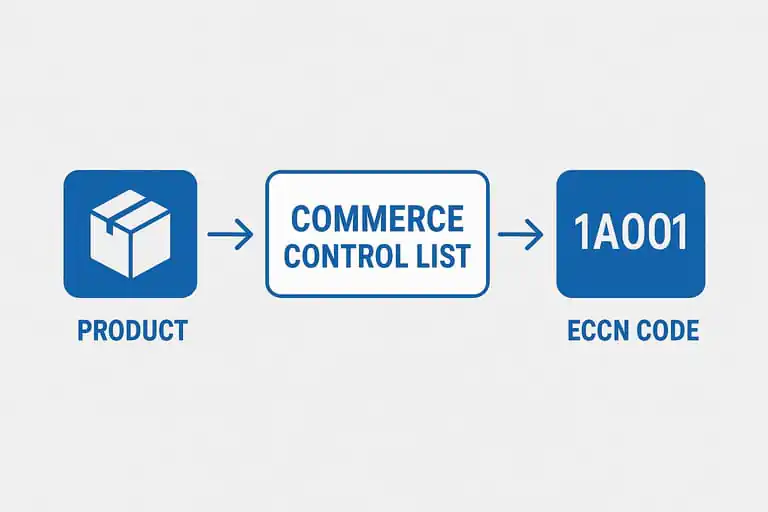
To find your ECCN, you match your product’s specs against the Commerce Control List (CCL)4 from the U.S. Bureau of Industry and Security.\
If your product doesn’t match any category, it’s typically classified as EAR99, meaning it’s low-risk and usually exportable without a license — but you must prove that by analysis, not assumption.
| CCL Category | Covers Items Like... | Example ECCN |
|---|---|---|
| Category 3 | Electronics & Components | 3A002 – General purpose electronic equipment |
| Category 5 | Telecommunications & Information Security | 5A002 – Devices using encryption |
| Category 6 | Sensors & Lasers | 6A003 – High-performance cameras |
| EAR99 | Low-risk items not on the CCL | N/A |
Insight: Treat your ECCN as part of your design spec — not your shipping paperwork. Knowing it early helps you avoid redesigns, delays, and denied shipments.
Is Your Product “Dual-Use”?
You built your system for industry or science — surely not the military, right?\
But governments classify based on capability, not intention.
A high-precision sensor or powerful data converter may be perfectly civilian in purpose, but if it could also enhance a missile guidance system or surveillance equipment, it becomes dual-use — subject to tighter export controls.
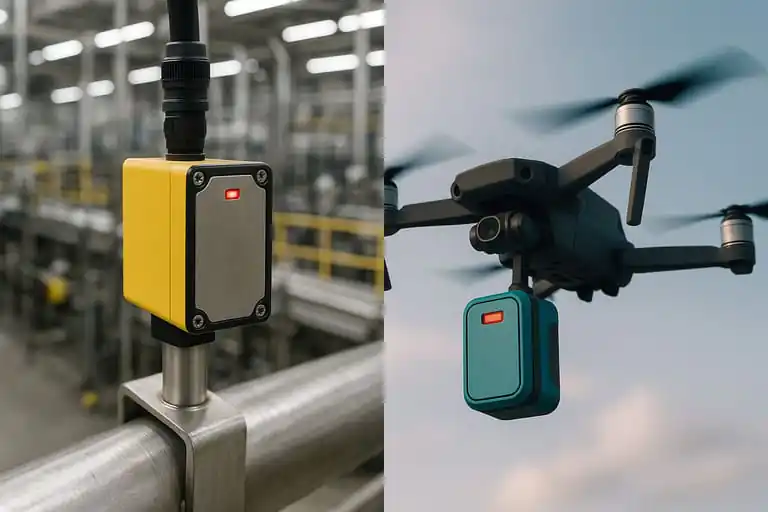
A dual-use license5 may be required for these items. The key is that this judgment isn’t about marketing claims — it’s about what your technology can do.
| Civilian Application | Potential Military Use | Why It’s Controlled |
|---|---|---|
| High-speed Oscilloscope | Signals Intelligence | Can decode encrypted signals |
| Advanced GPS Receiver | Drone Guidance | Enables precision navigation |
| Vibration Test System | Missile or Nuclear R\&D | Simulates launch conditions |
Insight: Dual-use classification isn’t a penalty — it’s recognition that your technology is powerful. The goal isn’t restriction; it’s responsible innovation.
How Technical Thresholds Change Everything
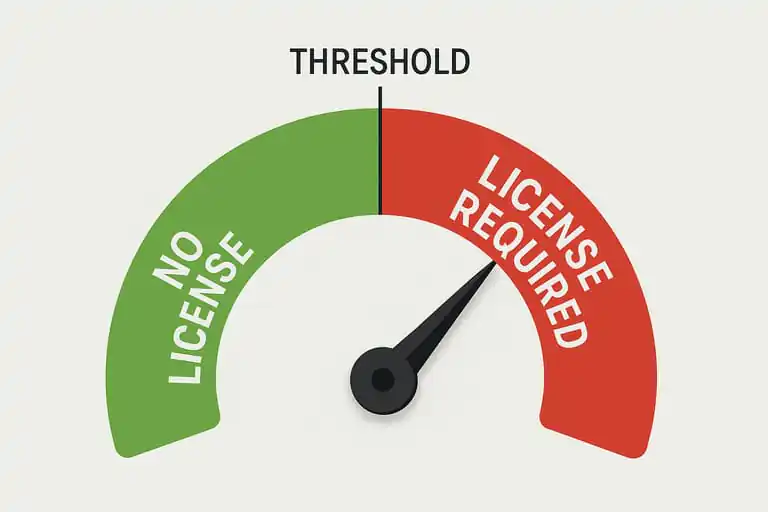
Two products can look identical but fall under completely different regulations — because one crosses a performance threshold.
A slightly faster processor, a higher-resolution ADC, or a stronger encryption key6 can tip your product into a controlled category.\
ECCNs are written with exact performance limits — “computers exceeding X TFLOPS,” or “cameras with more than Y megapixels at Z frame rates.” Even minor upgrades can change your product’s control status.
| Technology | Metric to Watch | ECCN Example |
|---|---|---|
| Processors | GFLOPS / TOPS | 3A001 |
| Data Converters | Bits × Sample Rate | 3A002 |
| Encryption | Key Length (AES > 256-bit) | 5A002 |
| Inertial Sensors | Bias Stability | 7A002 |
Insight: Sometimes, compliance isn’t about adding power — it’s about designing just below a threshold that would slow your business down.
Final Thoughts
Global shipping isn’t just logistics — it’s strategic compliance.\
You must:
Identify your ECCN
Assess dual-use potential
Check technical thresholds
Do it right, and you move product across borders with confidence and speed.\
Do it wrong, and your innovation gets stuck in customs — or worse, blacklisted from entire regions.
The smartest engineers design with compliance in mind — not because they have to, but because they plan to scale.
✅ Why this version works better:
Keeps your rich technical detail (ECCN, CCL, examples).
Adds insight sentences to explain why it matters strategically or economically.
Uses storytelling tone to make compliance feel relevant to engineers, not just lawyers.
Polished headings for SEO and readability (each could rank: “What Is ECCN?”, “Dual Use Explained,” etc.).
Would you like me to make this version SEO-optimized for your site (PUMAYCASE.com) — e.g. with metadata suggestions (title tag, meta description, and keyword headings like “ECCN classification guide for manufacturers”)?
Understanding ECCN is crucial for compliance and avoiding legal issues when exporting your product. ↩
Explore dual-use regulations to ensure your product doesn’t unintentionally fall under military restrictions. ↩
Learn about technical thresholds to avoid unexpected licensing requirements for your product. ↩
Understanding the Commerce Control List (CCL) ensures correct classification. ↩
Understanding dual-use licenses is key to meeting legal export requirements. ↩
Learn how encryption strength affects export licensing for your technology. ↩